Implementing Lean Principles in Oil Casing Manufacturing
Analyzing the policy role in driving lean transformation in the oil casing industry requires a deep understanding of how implementing lean principles can revolutionize manufacturing processes. Lean principles, originating from the Toyota production System, focus on maximizing value while minimizing waste. In the context of oil casing manufacturing, where precision and efficiency are paramount, adopting lean practices can lead to significant improvements in productivity and quality.
One of the key aspects of implementing lean principles in the oil casing industry is the role of policies in driving transformation. Policies serve as guidelines that shape the behavior and decision-making processes within an organization. When it comes to lean transformation, policies play a crucial role in setting the direction and priorities for the entire manufacturing process. By establishing clear policies that prioritize efficiency, quality, and continuous improvement, Companies in the oil casing industry can create a culture that is conducive to lean practices.
Effective policies in the oil casing industry should align with the core principles of lean manufacturing. These principles include identifying value from the customer’s perspective, mapping the value stream to eliminate waste, creating flow in the production process, establishing pull-based systems, and continuously striving for perfection. Policies that reflect these principles can help organizations streamline their operations, reduce lead times, and enhance overall product quality.
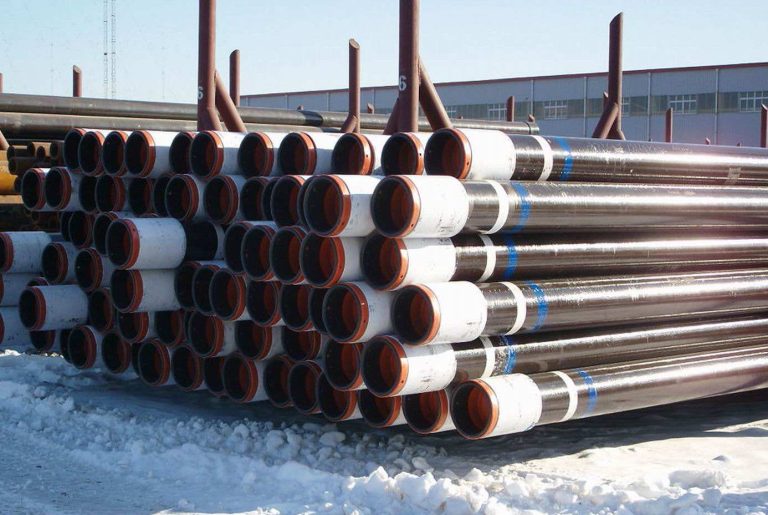
API 5ct J55 Tubing MakersMoreover, policies should not only focus on the shop floor operations but also extend to the entire supply chain. In the oil casing industry, where raw Materials need to meet stringent specifications, having policies that promote collaboration with Suppliers and ensure the quality of inputs is essential for achieving lean transformation. By integrating suppliers into the lean manufacturing process through clear policies and communication channels, companies can create a seamless flow of materials and information, reducing delays and inefficiencies.
Another critical aspect of policy implementation in lean transformation is the role of leadership. Leaders in the oil casing industry must champion the adoption of lean principles and ensure that policies are effectively communicated and enforced at all levels of the organization. Leadership commitment to lean transformation is vital for overcoming resistance to change and fostering a culture of continuous improvement.
In conclusion, analyzing the policy role in driving lean transformation in the oil casing industry underscores the importance of aligning policies with lean principles, extending policies to the entire supply chain, and fostering leadership commitment. By establishing clear and effective policies that promote efficiency, quality, and collaboration, companies in the oil casing industry can pave the way for successful lean transformation, leading to improved productivity, reduced waste, and enhanced competitiveness in the market.
Impact of Policy Changes on Lean Transformation in the Oil Casing Industry
Analyzing the policy role in driving lean transformation in the oil casing industry requires a deep understanding of how policy changes can impact the adoption and success of lean practices within this sector. Lean transformation, a methodology aimed at maximizing customer value while minimizing waste, has gained significant traction in various industries, including oil casing manufacturing. The implementation of lean principles in this industry can lead to improved efficiency, reduced costs, and enhanced overall performance.
Policy changes play a crucial role in shaping the environment within which lean transformation takes place. Government regulations, industry standards, and internal Company policies all influence the adoption and sustainability of lean practices. For the oil casing industry, which operates in a complex and highly regulated environment, policy changes can either facilitate or hinder the successful implementation of lean principles.
One key aspect of policy impact on lean transformation in the oil casing industry is regulatory compliance. Government regulations related to safety, environmental protection, and quality control can drive companies to adopt lean practices to ensure compliance. By aligning lean initiatives with regulatory requirements, companies can not only meet legal obligations but also improve their operational efficiency and competitiveness.
Moreover, policy changes can also influence the supply chain dynamics within the oil casing industry. Regulations related to sourcing, production processes, and product quality can impact the way companies manage their supply chains and implement lean practices. By aligning supply chain policies with lean principles, companies can streamline their operations, reduce lead times, and enhance overall productivity.
In addition to external policies, internal company policies and culture also play a significant role in driving lean transformation. Leadership commitment, employee engagement, and organizational structure are all influenced by internal policies and practices. Companies that prioritize lean principles in their internal policies and foster a culture of continuous improvement are more likely to succeed in their lean transformation efforts.
Furthermore, policy changes can affect the level of collaboration and knowledge sharing within the oil casing industry. Industry-wide initiatives, government incentives, and collaborative partnerships can promote the exchange of best practices and facilitate the adoption of lean principles across different companies. By leveraging policy-driven collaboration, companies can accelerate their lean transformation journey and drive industry-wide improvements.

In conclusion, analyzing the policy role in driving lean transformation in the oil casing industry reveals the interconnected nature of policy changes and lean practices. By understanding how policies impact regulatory compliance, supply chain dynamics, internal company culture, and industry collaboration, companies can navigate the complexities of lean transformation more effectively. Ultimately, a strategic approach to policy alignment and implementation is essential for realizing the full benefits of lean principles in the oil casing industry.