Types of Progressions in Oil Casing Technology
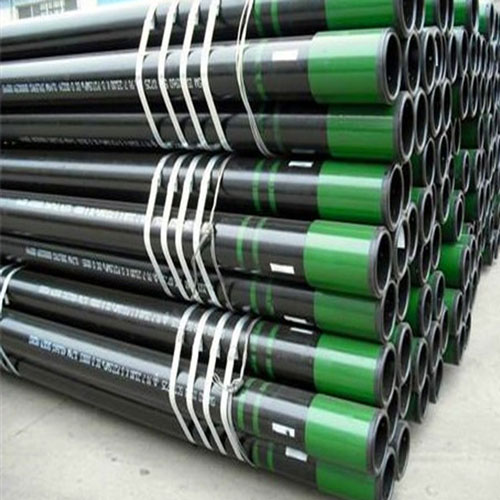
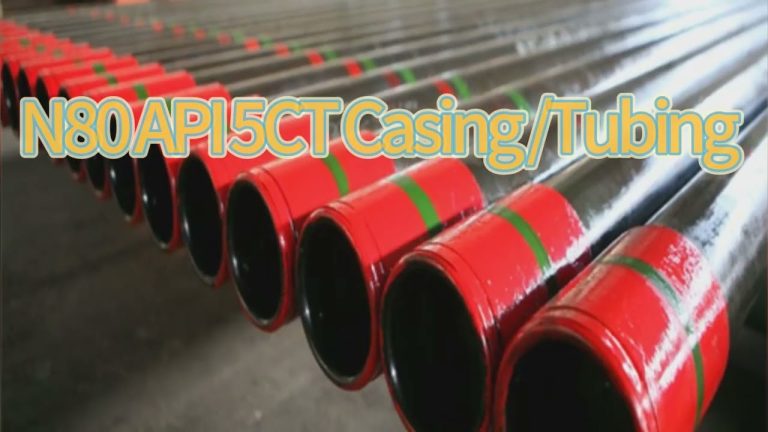
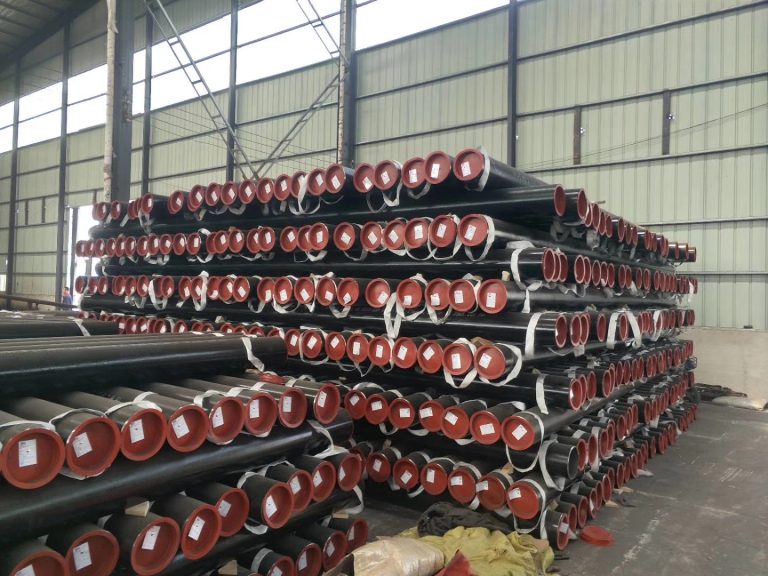
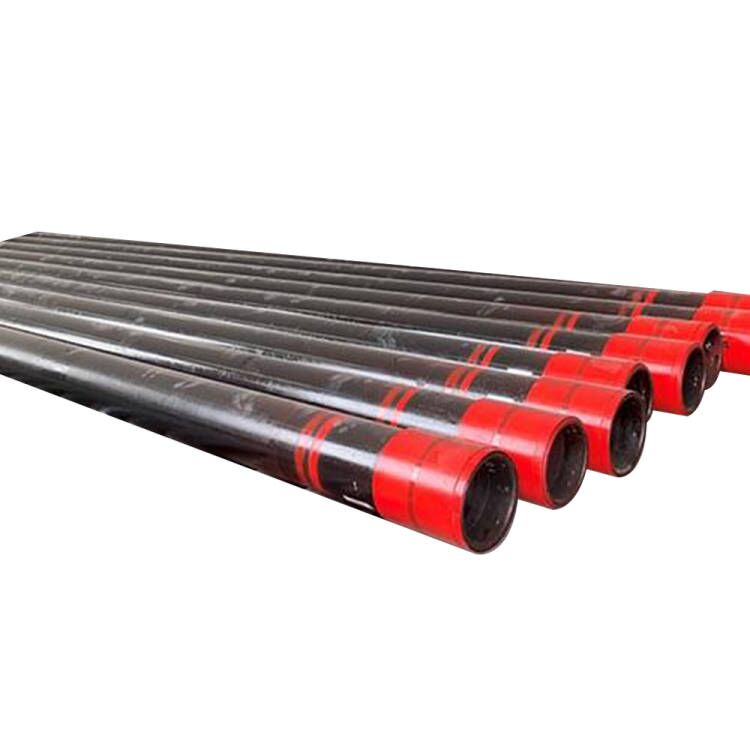
Progressions in oil casing technology have significantly impacted the Oil and Gas industry, influencing efficiency, safety, and overall production. One of the key advancements in this field is the development of various types of progressions in oil casing technology. These progressions play a crucial role in enhancing the performance and reliability of Oil Wells.
One type of progression in oil casing technology is the use of advanced Materials. Traditional casing materials have limitations in terms of Corrosion resistance and strength. However, with the introduction of high-performance materials such as corrosion-resistant alloys and composite materials, oil casing technology has seen a significant improvement in durability and longevity.
Another important progression is the development of premium Connections. These connections are designed to provide a tight Seal and prevent leaks in the wellbore. By using premium connections, operators can enhance the integrity of the well and minimize the risk of environmental contamination.
Furthermore, advancements in casing design have led to the development of expandable casing technology. Expandable casing allows for Casing strings to be expanded downhole, eliminating the need for multiple casing strings and reducing installation time and costs. This technology has revolutionized well Construction practices, especially in challenging environments.
In addition to material and design advancements, digitalization has also played a key role in the progression of oil casing technology. Digital tools and sensors are now being used to monitor casing integrity in real-time, providing operators with valuable data to optimize well performance and prevent failures.
Moreover, the integration of smart casing technology has enabled remote monitoring and control of casing functions. Smart casings can adjust their properties based on downhole conditions, enhancing operational flexibility and efficiency.
The adoption of these progressions in oil casing technology has resulted in improved well integrity, reduced operational risks, and increased production efficiency. Operators are now able to extract oil and gas resources more effectively while minimizing environmental impact.
In conclusion, the evolution of oil casing technology through various progressions has transformed the way oil and gas wells are constructed and operated. From advanced materials to digital innovations, these progressions have paved the way for a more sustainable and efficient oil and gas industry. As technology contiNues to advance, we can expect further enhancements in oil casing technology that will drive continued progress in the industry.
Impact of Progressions on Oil Casing Efficiency
Progressions in oil casing technology have significantly impacted the efficiency and effectiveness of oil drilling operations worldwide. The evolution of Oil casing materials, designs, and manufacturing processes has led to improved performance, durability, and cost-effectiveness in the oil and gas industry. These advancements have not only enhanced the overall efficiency of oil drilling but have also contributed to environmental sustainability and safety standards.
One of the key advancements in oil casing technology is the development of high-strength materials such as alloy Steels and corrosion-resistant alloys. These materials offer superior mechanical properties, including high tensile strength, toughness, and resistance to corrosion and high temperatures. By using these advanced materials in oil casing construction, operators can drill deeper wells, withstand higher pressures, and mitigate the risk of casing failure due to harsh downhole conditions.
In addition to improved materials, the design of oil casings has also undergone significant progressions. Innovations such as premium connections, Centralizers, and casing accessories have enhanced the structural integrity and hydraulic performance of oil casing strings. Premium connections provide a leak-proof seal and improved load-carrying capacity, reducing the likelihood of gas migration and wellbore instability. Centralizers ensure proper casing placement and Cementing, optimizing wellbore integrity and zonal isolation. These design enhancements contribute to the overall efficiency and success of oil drilling operations.
Furthermore, advancements in manufacturing processes have revolutionized the production of oil casings. Automated welding techniques, precision machining, and quality control measures have increased the consistency and reliability of casing manufacturing. By ensuring tight tolerances, uniform Wall thickness, and defect-free surfaces, Manufacturers can deliver high-quality casings that meet stringent industry standards. These manufacturing progressions have minimized the risk of casing defects, such as leaks, cracks, and mechanical failures, thereby improving operational safety and reducing downtime.
The impact of these progressions on oil casing efficiency is profound. Enhanced materials, designs, and manufacturing processes have enabled operators to drill deeper, faster, and more cost-effectively than ever before. The improved performance and reliability of modern oil casings have increased well productivity, reduced Maintenance costs, and extended the operational life of oil wells. Moreover, the environmental benefits of efficient oil casing technology, such as reduced emissions and waste generation, align with global sustainability goals and regulatory requirements.
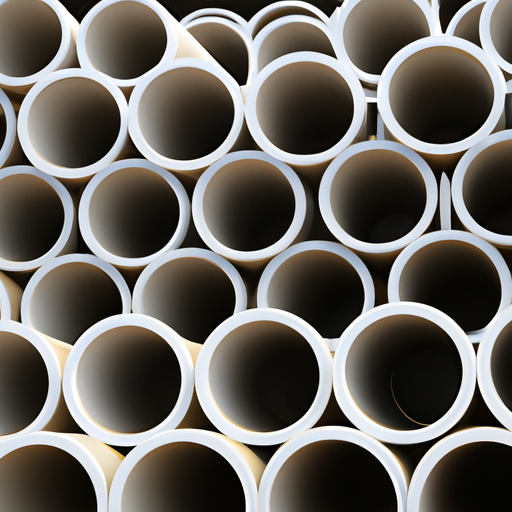 In conclusion, the continuous evolution of oil casing technology has transformed the oil and gas industry, driving efficiency, sustainability, and safety standards to new heights. The effects of these progressions on oil casing efficiency are evident in the improved performance, durability, and cost-effectiveness of oil drilling operations. As the industry continues to innovate and adapt to changing demands, the future of oil casing technology holds promise for further advancements and enhancements in efficiency and effectiveness.
Environmental Reactions to Advanced Oil Casing Techniques
Progressions in oil casing techniques have significantly impacted environmental reactions to advanced drilling practices. As technology evolves, the oil and gas industry has continuously sought innovative methods to enhance efficiency and productivity. One of the key areas of focus has been the development of advanced oil casing techniques that not only improve well integrity but also minimize environmental impact.
The introduction of new materials and designs in oil casing has revolutionized the way wells are constructed and maintained. High-strength alloys and composite materials have replaced traditional steel casings, offering superior corrosion resistance and structural integrity. These advancements have not only extended the lifespan of wells but have also reduced the risk of leaks and spills that can harm the environment.
Furthermore, the implementation of advanced cementing techniques has played a crucial role in enhancing wellbore stability and preventing fluid migration. By using specialized cement blends and application methods, operators can create a secure barrier between the casing and the surrounding formation, reducing the likelihood of groundwater contamination and gas migration.
In addition to material and cementing advancements, the integration of smart technologies in oil casing has enabled real-time monitoring and control of well operations. Sensors embedded in the casing can provide valuable data on casing integrity, downhole conditions, and fluid flow, allowing operators to detect potential issues early and take corrective actions promptly. This proactive approach not only improves operational safety but also minimizes the environmental impact of drilling activities.
The evolution of oil casing techniques has also led to the development of innovative well abandonment practices that focus on long-term environmental stewardship. By utilizing biodegradable materials and well-sealing technologies, operators can safely decommission wells without posing a risk to surrounding ecosystems. Proper well abandonment is essential to prevent groundwater contamination and methane emissions, ensuring that the environmental impact of drilling activities is minimized even after the well is no longer in production.
Mobile Accessories
Overall, the advancements in oil casing techniques have reshaped the way the industry approaches environmental sustainability. By prioritizing well integrity, leak prevention, and environmental stewardship, operators can mitigate the impact of drilling activities on ecosystems and communities. As technology continues to advance, the oil and gas industry must remain committed to adopting responsible practices that balance economic interests with environmental protection. Through continuous innovation and collaboration, the industry can further enhance its environmental performance and contribute to a more sustainable energy future.