Understanding the Concept of Proprietary high Collapse
Proprietary high collapse, a term often encountered in the realm of engineering and Construction, refers to a critical property of Materials used in the design and fabrication of structures subjected to high external pressures. Understanding this concept is paramount for engineers, architects, and builders to ensure the safety and integrity of their projects.
At its core, proprietary high collapse pertains to the ability of a material to withstand significant external pressure without undergoing deformation or failure. This property is particularly crucial in applications where structures are exposed to extreme conditions such as deep-sea environments, Oil and Gas drilling operations, or high-rise buildings in seismic zones.
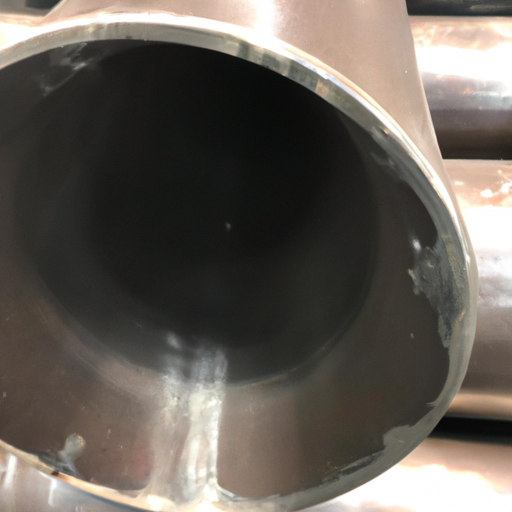
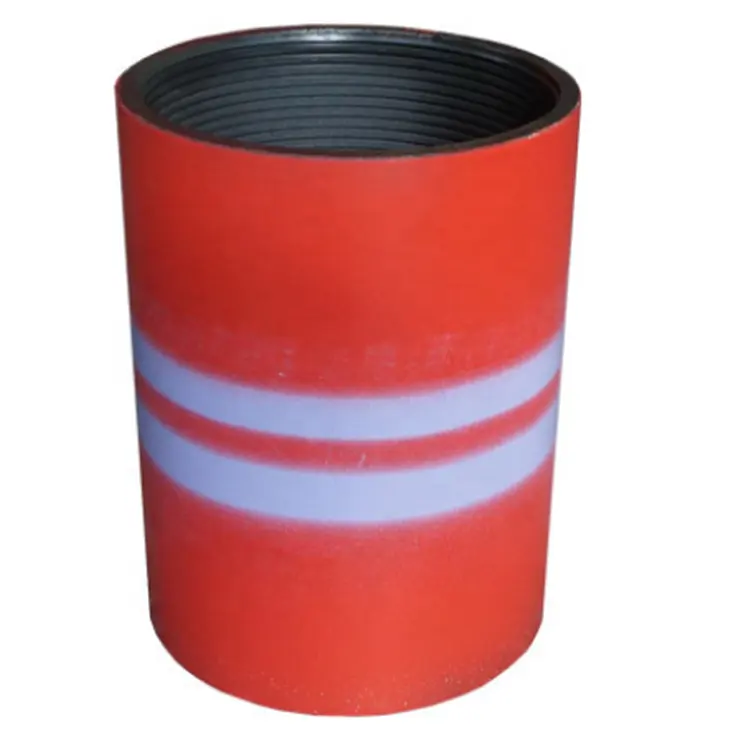
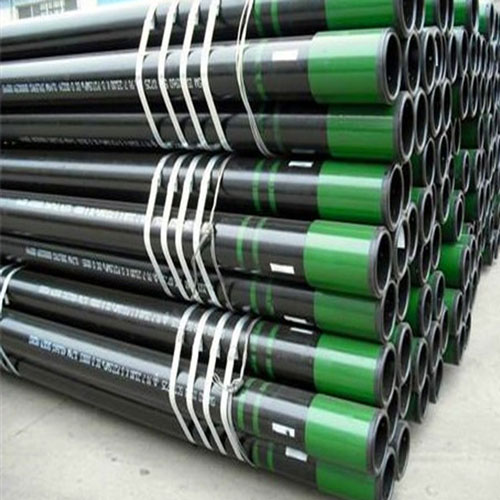
API 5ct l80-1/P110/M65 11-3/4″ Seamless Steel oil Pipe CasingThe key to comprehending proprietary high collapse lies in recognizing the intricate interplay between material properties, structural design, and external forces. Materials with high collapse resistance exhibit superior strength, stiffness, and ductility, enabling them to maintain their structural integrity under immense pressure.
One of the primary factors influencing proprietary high collapse is the material’s yield strength, which denotes the maximum stress a material can withstand before undergoing plastic deformation. High-yield strength materials are essential for withstanding the compressive forces exerted on structures, ensuring they remain stable and secure.
Moreover, the ductility of a material plays a crucial role in its high collapse characteristics. Ductility refers to the ability of a material to deform plastically before fracturing, allowing it to absorb energy and redistribute stresses effectively. Materials with high ductility are better equipped to withstand sudden loads and pressure fluctuations, enhancing their high collapse performance.
In addition to yield strength and ductility, the microstructure of a material also influences its high collapse behavior. Fine-grained materials exhibit enhanced strength and toughness, making them ideal for applications requiring high collapse resistance. By optimizing the material’s microstructure through advanced processing techniques, engineers can tailor its properties to meet specific high collapse requirements.
Furthermore, the design of structures subjected to high collapse conditions must account for factors such as load distribution, stress concentrations, and geometric constraints. Properly engineered structures distribute external pressures evenly, minimizing the risk of localized failures and ensuring uniform load transfer throughout the system.
Transitional phrases such as “in addition,” “moreover,” and “furthermore” can help guide the reader through the intricate concepts associated with proprietary high collapse, facilitating a Smooth transition from one idea to the next. By elucidating the fundamental principles underlying high collapse behavior and emphasizing the importance of material selection, design optimization, and structural integrity, engineers and practitioners can enhance the safety, reliability, and performance of their projects in high-pressure environments.