Overview of Oil Casing Market Dynamics
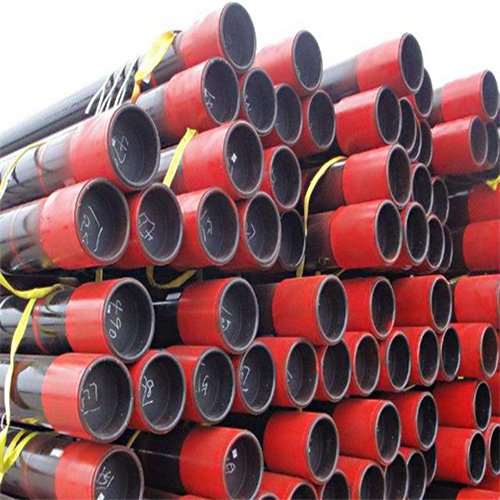
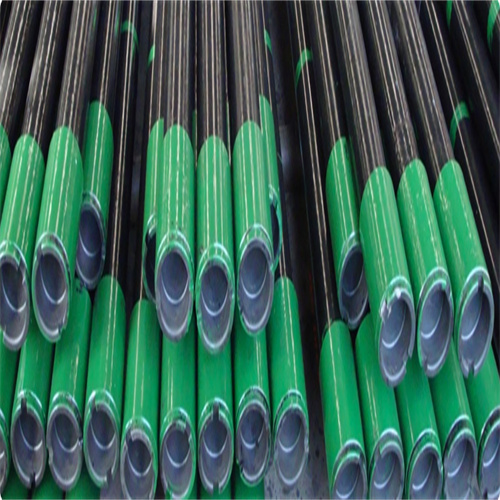
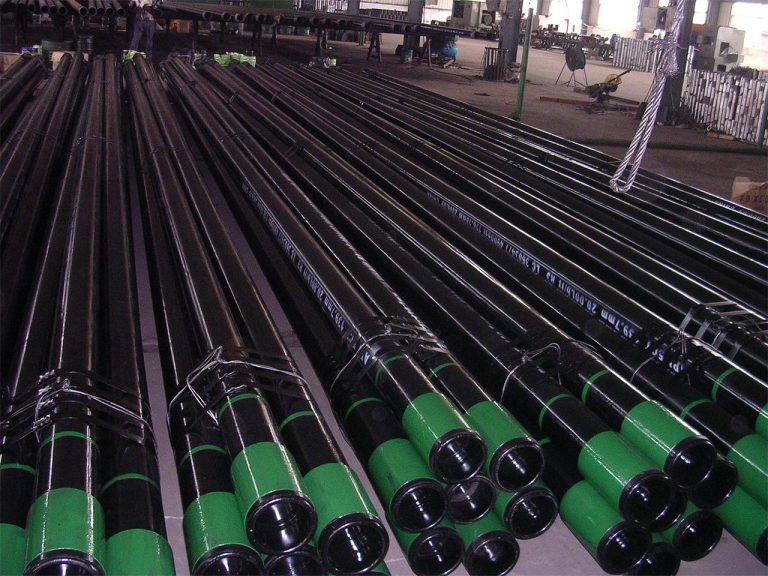
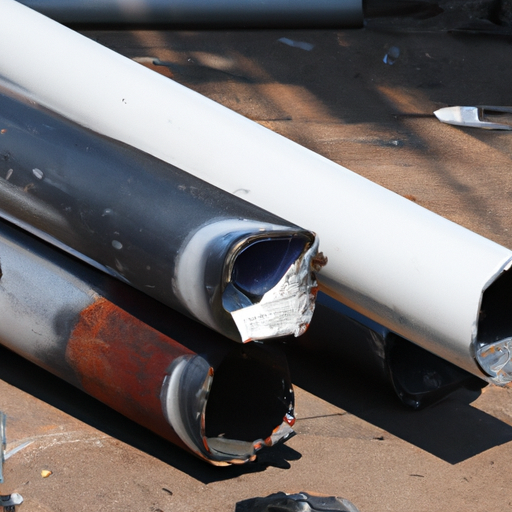
The oil casing market is a critical component of the broader Oil and Gas industry, serving as an essential element in the drilling and production processes. Understanding the dynamics of this market is vital for stakeholders, including Manufacturers, Suppliers, and investors, as it directly influences operational efficiency and cost management. The oil casing, which refers to the series of Steel Pipes used to line the borehole during drilling, plays a crucial role in maintaining the integrity of the well, preventing the collapse of the borehole, and protecting groundwater from contamination. As such, the demand for high-quality oil casing is closely tied to the fluctuations in oil Prices, advancements in drilling technologies, and the overall health of the global energy market.
Oil Painting Butterfly Phone Case for iPhone15promax 14PRO 13 12 11In recent years, the oil casing market has experienced significant shifts due to various factors, including geopolitical tensions, environmental regulations, and the transition towards renewable energy sources. For instance, the volatility of oil prices, often influenced by OPEC decisions and global supply-demand dynamics, has a direct impact on drilling activities. When oil prices are high, exploration and production Companies are more likely to invest in new drilling projects, thereby increasing the demand for oil casing. Conversely, during periods of low oil prices, companies may scale back their operations, leading to a decrease in the need for casing products. This cyclical nature of the market underscores the importance of accurate forecasting and analysis to anticipate changes in demand.
Moreover, technological advancements in drilling techniques, such as horizontal drilling and hydraulic fracturing, have also reshaped the oil casing market. These innovations require specialized casing products that can withstand higher pressures and temperatures, thus driving the need for more advanced Materials and manufacturing processes. As companies strive to enhance their operational efficiency and reduce costs, the demand for high-performance casing solutions has surged. This trend highlights the necessity for manufacturers to invest in research and development to create products that meet the evolving needs of the industry.
Additionally, environmental concerns and regulatory pressures are increasingly influencing the oil casing market dynamics. Governments around the world are implementing stricter regulations aimed at minimizing the environmental impact of oil and gas operations. This has led to a growing emphasis on the use of environmentally friendly materials and practices in the production of oil casing. Companies that can adapt to these regulatory changes and offer sustainable solutions are likely to gain a competitive edge in the market. As a result, the integration of sustainability into the oil casing supply chain is becoming a key consideration for stakeholders.
Furthermore, the global shift towards renewable energy sources is resh APIng the long-term outlook for the oil casing market. While fossil fuels contiNue to play a significant role in the energy mix, the increasing investment in renewable technologies is prompting a reevaluation of traditional oil and gas operations. This transition may lead to a decline in demand for oil casing in the future, as companies pivot towards cleaner energy alternatives. However, it is essential to recognize that the oil and gas sector will remain a vital part of the global energy landscape for the foreseeable future, particularly in regions where energy demand continues to rise.
In conclusion, the oil casing market is influenced by a complex interplay of factors, including oil price fluctuations, technological advancements, regulatory changes, and the transition to renewable energy. Stakeholders must remain vigilant and adaptable to navigate these dynamics effectively. By understanding the underlying trends and anticipating market shifts, companies can position themselves strategically to capitalize on opportunities and mitigate risks in this ever-evolving landscape.