**Enhancing Oil Casing production efficiency Through Machine Learning Algorithms**
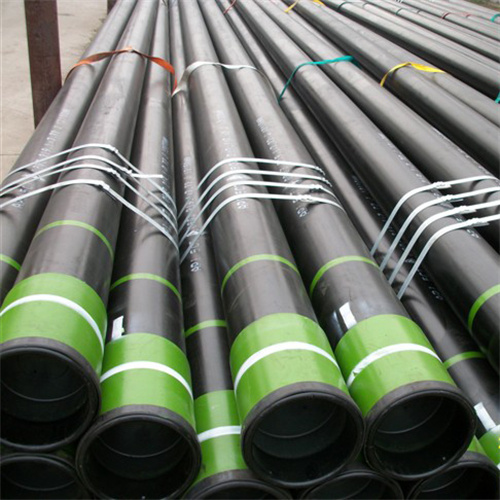
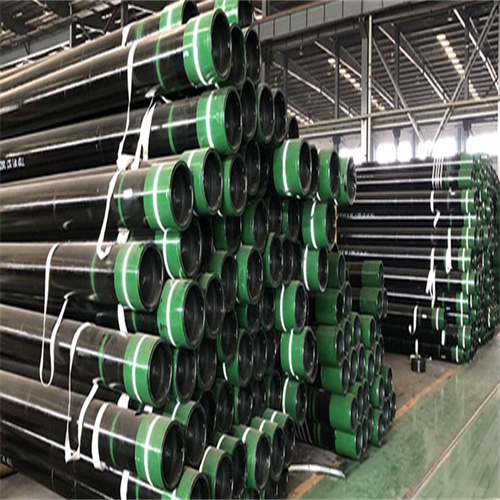
In the realm of oil casing production, the quest for efficiency and quality has become increasingly paramount, particularly as the industry faces mounting pressures to optimize operations while minimizing costs. The integration of machine learning algorithms into this sector represents a transformative approach that not only enhances production efficiency but also significantly improves the quality of the final product. By leveraging vast amounts of data generated throughout the production process, machine learning offers predictive capabilities that can identify potential issues before they escalate, thereby streamlining operations and ensuring that quality standards are met consistently.
To begin with, the application of machine learning in oil casing production involves the analysis of historical data, which encompasses various parameters such as Material properties, production techniques, and environmental conditions. By employing sophisticated algorithms, it becomes possible to discern patterns and correlations that may not be immediately apparent through traditional analytical methods. For instance, machine learning models can analyze the relationship between specific production variables and the quality of the casing produced, allowing operators to make informed decisions that enhance both efficiency and quality.
Moreover, one of the most significant advantages of utilizing machine learning in this context is its ability to facilitate real-time monitoring and predictive Maintenance. By continuously analyzing data from production machinery and processes, machine learning algorithms can detect anomalies that may indicate impending failures or quality issues. This proactive approach not only reduces downtime but also minimizes the risk of producing substandard products, which can have far-reaching implications for safety and operational costs. Consequently, the implementation of these algorithms leads to a more resilient production process, where potential disruptions are addressed before they can impact overall efficiency.
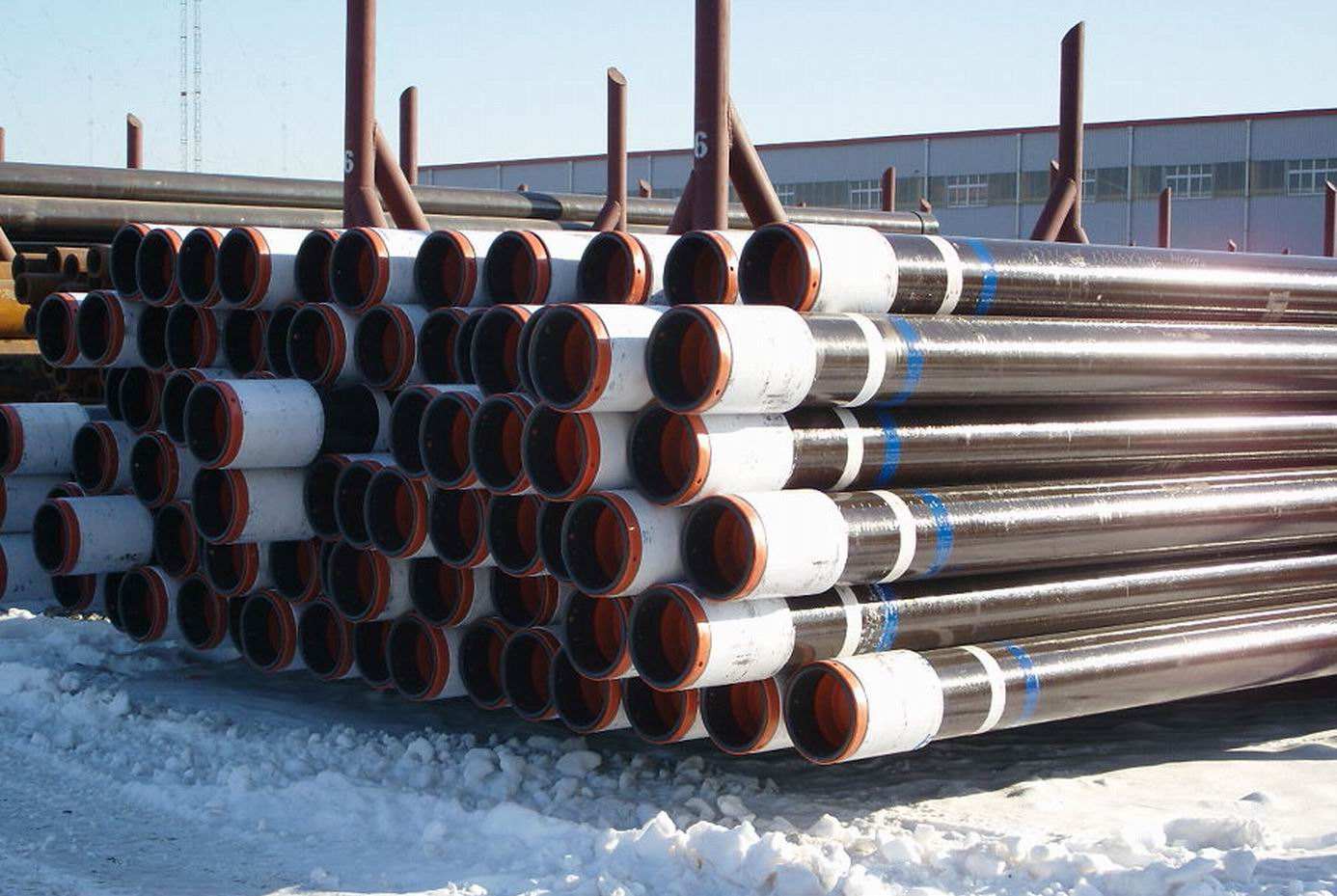 In addition to predictive maintenance, machine learning can optimize the production process itself. For example, algorithms can be employed to fine-tune parameters such as temperature, pressure, and material feed rates, ensuring that each aspect of the production process operates within optimal ranges. This level of precision not only enhances the quality of the oil casing produced but also contributes to a more efficient use of resources, thereby reducing waste and lowering production costs. As a result, Companies that adopt machine learning technologies can achieve a competitive edge in a market that increasingly values both quality and efficiency.
Furthermore, the integration of machine learning extends beyond the production floor. It also plays a crucial role in supply chain management and logistics. By analyzing data related to inventory levels, demand forecasts, and transportation logistics, machine learning algorithms can optimize the entire supply chain, ensuring that materials are available when needed and that finished products are delivered efficiently. This holistic approach to optimization not only enhances production efficiency but also improves customer satisfaction by ensuring timely delivery of high-quality products.
In conclusion, the incorporation of machine learning algorithms into oil casing production represents a significant advancement in the quest for efficiency and quality. By harnessing the power of data analysis, companies can enhance their production processes, reduce downtime, and optimize resource utilization. As the industry contiNues to evolve, the role of machine learning will undoubtedly become more pronounced, paving the way for innovations that will further enhance the quality and efficiency of oil casing production. Ultimately, the successful implementation of these technologies will not only benefit individual companies but will also contribute to the overall sustainability and competitiveness of the Oil and Gas industry as a whole.
**Predictive Quality Assessment in Oil Casing Production Using Advanced Machine Learning Techniques**
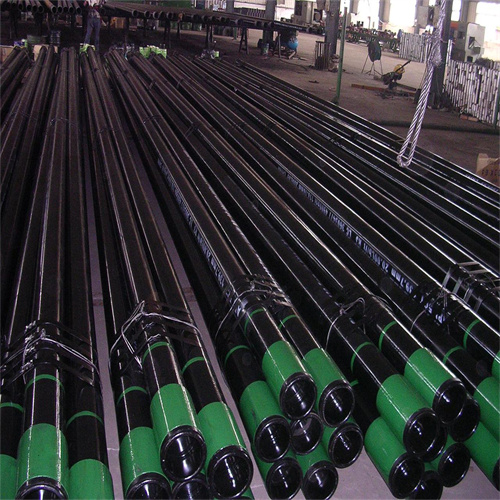
In the realm of oil casing production, the quest for quality assurance has become increasingly sophisticated, particularly with the advent of advanced machine learning techniques. The integration of predictive quality assessment into the production process not only enhances the reliability of the final product but also optimizes operational efficiency. As the oil and gas industry faces mounting pressure to improve performance while reducing costs, the application of machine learning offers a transformative approach to quality prediction, enabling Manufacturers to anticipate potential defects and implement corrective measures proactively.
At the core of this optimization process lies the ability to analyze vast amounts of data generated during the production of oil casings. Traditional quality control methods often rely on manual inspections and statistical sampling, which can be time-consuming and may not capture the full spectrum of variability inherent in the manufacturing process. In contrast, machine learning algorithms can process and analyze data from various sources, including sensor readings, production parameters, and historical quality records. By leveraging these data points, machine learning models can identify patterns and correlations that may not be immediately apparent to human analysts.
One of the most significant advantages of employing machine learning in predictive quality assessment is its capacity for real-time monitoring. As production occurs, machine learning models can continuously evaluate incoming data, allowing for immediate feedback on quality metrics. This real-time capability enables manufacturers to detect anomalies early in the production cycle, thereby reducing the likelihood of defective products reaching the market. Furthermore, by implementing predictive maintenance strategies informed by machine learning insights, companies can minimize downtime and enhance overall productivity.
Moreover, the adaptability of machine learning algorithms is a crucial factor in their effectiveness. These models can be trained on diverse datasets, allowing them to evolve and improve over time. As new data becomes available, the algorithms can refine their predictions, leading to increasingly accurate assessments of product quality. This iterative learning process not only enhances the reliability of quality predictions but also empowers manufacturers to make data-driven decisions that align with their operational goals.
In addition to improving quality prediction, machine learning techniques can also facilitate a deeper understanding of the factors influencing production outcomes. By employing techniques such as feature importance analysis, manufacturers can identify which variables have the most significant impact on quality. This insight enables targeted interventions, such as adjusting specific production parameters or enhancing training for operators, ultimately leading to improved product quality and consistency.
bushing Best chinese wholesalerFurthermore, the implementation of machine learning in oil casing production aligns with broader industry trends toward digital transformation and Industry 4.0. As companies increasingly adopt smart manufacturing practices, the integration of predictive quality assessment becomes a vital component of a comprehensive strategy aimed at enhancing competitiveness. By harnessing the power of machine learning, manufacturers can not only improve their quality assurance processes but also position themselves as leaders in an evolving market landscape.
In conclusion, the application of advanced machine learning techniques for predictive quality assessment in oil casing production represents a significant advancement in the industry. By enabling real-time monitoring, fostering adaptability, and providing valuable insights into production factors, these technologies enhance the ability to predict and ensure product quality. As the oil and gas sector continues to navigate challenges related to efficiency and cost-effectiveness, the integration of machine learning into quality prediction processes will undoubtedly play a pivotal role in sh APIng the future of oil casing production. Embracing these innovations will not only lead to improved operational outcomes but also contribute to the overall sustainability and resilience of the industry.