Impact of Regulatory Changes on Oil Casing Industry
The oil casing industry plays a crucial role in the extraction and transportation of Oil and Gas resources. Regulatory changes have a significant impact on this industry, influencing operations, safety standards, and overall efficiency. These changes are essential for ensuring environmental protection, worker safety, and sustainable practices within the oil and gas sector.
One of the key aspects affected by regulatory changes is the quality standards for Oil casing Materials. Regulations often mandate specific requirements for the strength, durability, and Corrosion resistance of Casing Pipes used in Oil Wells. Compliance with these standards is essential to prevent leaks, well failures, and environmental contamination. Companies operating in the oil casing industry must continuously adapt their manufacturing processes to meet these evolving regulatory demands.

Moreover, regulatory changes also influence the design and testing procedures for oil casing products. Stringent regulations may require companies to conduct thorough testing, including pressure testing, Non-destructive testing, and material analysis, to ensure the integrity of casing Pipes. These testing procedures are crucial for identifying any defects or weaknesses in the casing materials before they are deployed in oil wells. By adhering to these regulations, companies can enhance the reliability and safety of their products.
In addition to quality standards and testing procedures, regulatory changes also impact the documentation and certification requirements for oil casing products. Companies must maintain detailed records of the manufacturing process, material specifications, testing results, and compliance certifications to demonstrate regulatory compliance. These documentation requirements help ensure transparency, traceability, and accountability throughout the supply chain, from manufacturing facilities to oil well sites.
Furthermore, regulatory changes often drive innovation and technological advancements in the oil casing industry. Companies are compelled to invest in research and development to develop new materials, manufacturing techniques, and inspection technologies that meet the latest regulatory standards. This focus on innovation not only enhances product quality and performance but also drives cost efficiencies and sustainability in the industry.
Overall, regulatory changes have a profound impact on the oil casing industry, sh APIng the way companies operate, innovate, and deliver services to the oil and gas sector. By embracing these changes and proactively adapting to evolving regulatory requirements, companies can ensure compliance, enhance safety standards, and drive continuous improvement in the oil casing industry.
Implementing Sustainable Practices in Oil Casing Manufacturing
The oil casing industry plays a crucial role in the extraction and transportation of oil and gas resources. As the demand for energy contiNues to rise, the industry faces the challenge of balancing production efficiency with environmental sustainability. Implementing sustainable practices in oil casing manufacturing is essential to minimize the environmental impact of the industry while meeting the growing energy needs of society.
One key aspect of sustainable practices in oil casing manufacturing is the development of policies that promote environmental responsibility. By adhering to strict regulations and standards, companies can ensure that their manufacturing processes minimize waste generation and reduce harmful emissions. These policies not only benefit the environment but also enhance the overall reputation of the industry as a responsible stakeholder in the global energy sector.
In addition to regulatory compliance, service innovation plays a vital role in driving sustainability in oil casing manufacturing. Companies can explore new technologies and materials to improve the efficiency of their operations while reducing their carbon footprint. By investing in research and development, companies can discover innovative solutions that enhance the durability and performance of oil casings, leading to longer service life and reduced Maintenance requirements.
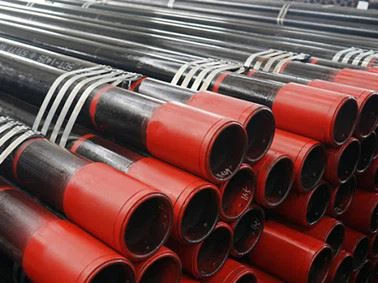
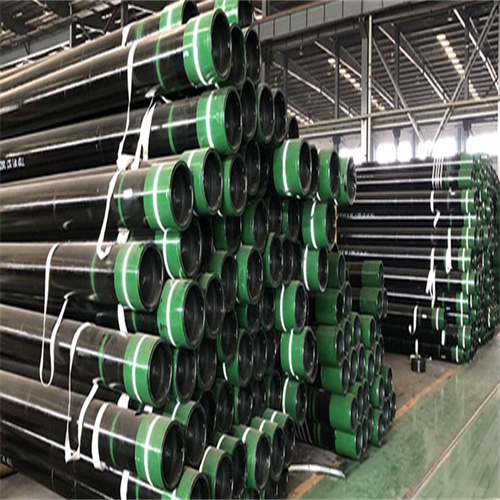
api 5ct P110 CASING Best chinese Exporter
Furthermore, service innovation can also focus on improving the recycling and reuse of oil casings at the end of their operational life. By developing efficient recycling processes, companies can minimize the amount of waste generated by the industry and contribute to a circular economy model. Reusing materials from old casings not only reduces the demand for new resources but also lowers the overall environmental impact of oil casing manufacturing.
Collaboration between industry stakeholders, government bodies, and environmental organizations is essential to drive sustainable practices in oil casing manufacturing. By working together, these entities can exchange knowledge, share best practices, and develop joint initiatives that promote environmental stewardship within the industry. Through partnerships and collaborations, the oil casing industry can collectively address the challenges of sustainability and pave the way for a more environmentally conscious future.
In conclusion, implementing sustainable practices in oil casing manufacturing is crucial for the long-term viability of the industry. By developing and adhering to stringent environmental policies, investing in service innovation, and fostering collaboration among stakeholders, the industry can reduce its environmental footprint while meeting the energy needs of society. Embracing sustainability not only benefits the environment but also ensures the continued success and relevance of the oil casing industry in a rapidly evolving global landscape.
Enhancing Customer Experience through Service Innovation in the Oil Casing Sector
The oil casing industry plays a crucial role in the extraction and transportation of oil and gas resources. As technology advances and market demands evolve, companies in this sector are constantly seeking ways to enhance their operations and improve customer experience. One key area where innovation can make a significant impact is in service delivery.
In recent years, the oil casing industry has witnessed a shift towards service innovation as a means to differentiate offerings and provide added value to customers. Traditionally, companies focused primarily on the quality and specifications of their products. However, in today’s competitive landscape, service innovation has emerged as a key differentiator.
Enhancing customer experience through service innovation involves a holistic approach that goes beyond the product itself. Companies are now looking at ways to streamline ordering processes, improve delivery timelines, and offer personalized solutions to meet the unique needs of each customer. By focusing on these aspects, companies can build stronger relationships with their clients and foster loyalty in a highly competitive market.
One of the key benefits of service innovation in the oil casing sector is the ability to provide tailored solutions that address specific customer requirements. By leveraging data analytics and customer feedback, companies can gain valuable insights into customer preferences and pain points. This information can then be used to develop customized service offerings that not only meet but exceed customer expectations.
Moreover, service innovation can also lead to operational efficiencies within companies. By optimizing processes such as inventory management, order fulfillment, and after-sales support, companies can reduce costs and improve overall productivity. This, in turn, allows companies to offer competitive pricing while maintaining high service standards.
Another important aspect of service innovation in the oil casing industry is the adoption of digital technologies. Companies are increasingly investing in digital platforms that enable seamless communication with customers, real-time tracking of orders, and data-driven decision-making. These technologies not only enhance the customer experience but also provide companies with valuable insights for continuous improvement.
Furthermore, service innovation can also contribute to sustainability efforts within the oil casing sector. By offering eco-friendly packaging options, optimizing transportation routes, and promoting recycling initiatives, companies can reduce their environmental impact and align with global sustainability goals. This not only resonates with environmentally conscious customers but also positions companies as responsible corporate citizens.
In conclusion, service innovation in the oil casing industry is essential for companies looking to stay ahead in a rapidly changing market. By focusing on enhancing customer experience, leveraging data and digital technologies, and promoting sustainability, companies can differentiate themselves and build long-lasting relationships with their customers. As the industry continues to evolve, service innovation will play a pivotal role in driving growth and success for companies in the oil casing sector.