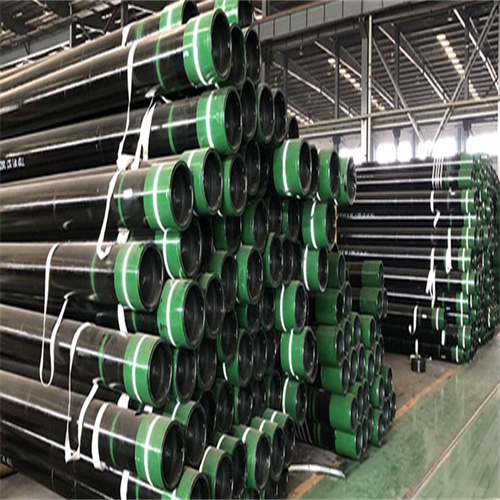
Impact of Changes in Oil Casing technical Warranty Provisions on Industry Practices
The Oil and Gas industry is constantly evolving, with new technologies and practices being developed to improve efficiency and safety. One area that has seen significant changes in recent years is the technical warranty provisions for oil casing. These provisions are crucial for ensuring the quality and reliability of oil casing, which is used to protect the wellbore and prevent leaks.
In the past, oil casing technical warranty provisions were fairly standard across the industry. Companies would typically offer warranties for a certain period of time, usually ranging from one to five years, depending on the type of casing and the conditions in which it was used. These warranties would cover defects in Materials or workmanship, and would often include provisions for Repair or replacement of faulty casing.
However, as technology has advanced and the demands on oil casing have increased, the industry has seen a shift in the way warranty provisions are structured. Companies are now offering more comprehensive warranties that cover a wider range of potential issues, including corrosion, wear and tear, and even environmental damage. These warranties may also include provisions for regular inspections and Maintenance to ensure the casing remains in good condition throughout its lifespan.

The evolution of oil casing technical warranty provisions has had a number of consequences for industry practices. One of the most significant impacts has been on the cost of oil casing. With more comprehensive warranties in place, companies are able to charge higher Prices for their casing products, as customers are willing to pay more for the added security and peace of mind that comes with a longer and more comprehensive warranty.
Another consequence of the changes in warranty provisions is the increased focus on quality control and testing. Companies are now investing more resources in ensuring that their casing products meet the highest standards of quality and reliability, in order to minimize the risk of warranty claims and costly repairs or replacements. This has led to improvements in manufacturing processes and materials, as well as more rigorous testing procedures to identify potential issues before they become a problem.
In addition to these changes, the evolution of oil casing technical warranty provisions has also had an impact on industry regulations and standards. Regulators are now paying closer attention to the warranty provisions offered by oil casing Manufacturers, in order to ensure that they are fair and transparent. This has led to the development of new guidelines and best practices for warranty provisions, as well as increased scrutiny of companies that fail to meet these standards.
Looking ahead, the future of oil casing technical warranty provisions is likely to contiNue evolving as technology advances and industry practices change. Companies will need to stay ahead of these changes in order to remain competitive and meet the growing demands of customers and regulators. This may involve further improvements in quality control and testing, as well as the development of new and innovative warranty provisions to address emerging challenges in the industry.
Overall, the evolution of oil casing technical warranty provisions has had a significant impact on industry practices, leading to higher prices, improved quality control, and increased regulatory scrutiny. By staying ahead of these changes and adapting to new technologies and practices, companies can ensure that their casing products remain reliable and cost-effective for years to come.
Strategies for Adapting to Evolving Oil Casing Technical Warranty Provisions in the Future
The oil and gas industry is constantly evolving, with new technologies and regulations sh APIng the way companies operate. One area that has seen significant changes in recent years is oil casing technical warranty provisions. These provisions are put in place to ensure that oil casing meets certain quality standards and will perform as expected in the field. As these provisions have evolved, companies have had to adapt their strategies to meet the new requirements and avoid costly consequences.
One consequence of the evolving oil casing technical warranty provisions is the increased pressure on companies to deliver high-quality products. With stricter standards in place, companies must invest in better materials and manufacturing processes to ensure that their oil casing meets the new requirements. This can be costly, but failing to meet the standards can result in even greater expenses in the form of warranty claims and damaged reputations.
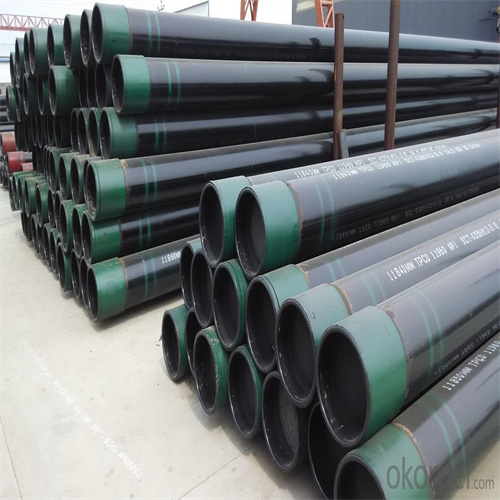
api 5ct P110 CASING chinese Best MakerTo avoid these consequences, companies must develop strategies for adapting to the evolving technical warranty provisions. One approach is to invest in research and development to stay ahead of the curve. By developing new technologies and materials, companies can ensure that their oil casing meets the latest standards and is less likely to fail in the field. This can help companies avoid costly warranty claims and maintain their reputation as a reliable Supplier.
| Serial Number | Product |
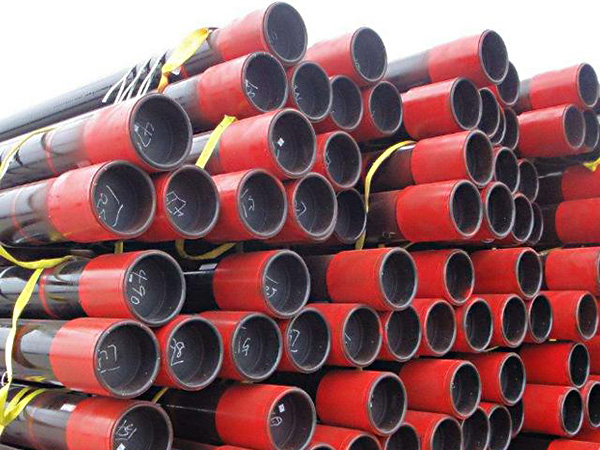
| 1 | production casing |
Another strategy for adapting to the evolving technical warranty provisions is to improve quality control processes. By implementing stricter quality control measures, companies can catch defects early and prevent faulty products from reaching the field. This can help companies avoid warranty claims and ensure that their oil casing meets the new standards.
In addition to investing in research and development and improving quality control processes, companies can also work closely with their Suppliers to ensure that they are meeting the new technical warranty provisions. By building strong relationships with suppliers, companies can ensure that they are receiving high-quality materials and components that meet the new standards. This can help companies avoid costly warranty claims and maintain a reliable supply chain.
Looking to the future, companies must continue to adapt their strategies to meet the evolving technical warranty provisions. This may involve investing in new technologies, improving quality control processes, and working closely with suppliers to ensure that their oil casing meets the latest standards. By staying ahead of the curve, companies can avoid costly consequences and maintain their reputation as a reliable supplier in the oil and gas industry.
In conclusion, the evolving oil casing technical warranty provisions have had significant consequences for companies in the oil and gas industry. To avoid costly warranty claims and damaged reputations, companies must develop strategies for adapting to the new requirements. By investing in research and development, improving quality control processes, and working closely with suppliers, companies can ensure that their oil casing meets the latest standards and remains a reliable product in the field. Looking to the future, companies must continue to adapt their strategies to meet the evolving technical warranty provisions and stay ahead of the curve in the ever-changing oil and gas industry.