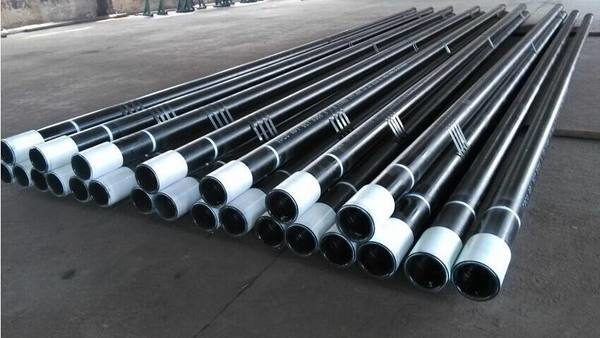
The Role of Government Regulations in Energy Efficiency Measures for Oil Casing Industry
The oil casing industry plays a crucial role in the global energy sector, providing the necessary infrastructure for the extraction and transportation of Oil and Gas. However, the production of oil casings is energy-intensive, leading to significant energy consumption and environmental impact. In recent years, there has been a growing emphasis on energy efficiency measures in the oil casing industry to reduce energy consumption and mitigate environmental harm.
Government regulations have played a key role in driving energy efficiency measures in the oil casing industry. By implementing policies and standards that promote energy conservation and sustainability, governments can incentivize Companies to adopt more efficient practices and technologies. These regulations can take various forms, such as energy efficiency targets, emissions standards, and financial incentives for energy-saving investments.
One of the most effective ways that governments can influence energy efficiency in the oil casing industry is through setting energy efficiency targets. By establishing clear and measurable goals for reducing energy consumption and improving efficiency, governments can provide companies with a roadmap for achieving sustainable energy practices. These targets can be tailored to the specific needs and challenges of the oil casing industry, taking into account factors such as production processes, equipment efficiency, and energy sources.
In addition to setting energy efficiency targets, governments can also implement emissions standards to regulate the environmental impact of the oil casing industry. By imposing limits on greenhouse gas emissions and other pollutants, governments can encourage companies to adopt cleaner and more sustainable practices. Emissions standards can help to reduce the environmental footprint of the oil casing industry, leading to improved air quality and reduced carbon emissions.
Financial incentives are another powerful tool that governments can use to promote energy efficiency in the oil casing industry. By offering tax credits, grants, and other financial incentives for energy-saving investments, governments can encourage companies to upgrade their equipment, improve their processes, and adopt renewable energy sources. These incentives can help to offset the upfront costs of energy efficiency measures, making them more accessible and attractive to companies in the oil casing industry.
Overall, government regulations play a crucial role in driving energy efficiency measures in the oil casing industry. By setting energy efficiency targets, implementing emissions standards, and offering financial incentives, governments can incentivize companies to reduce their energy consumption and environmental impact. These policies can help to create a more sustainable and efficient oil casing industry, benefiting both the industry and the environment.
Technological innovations for Reducing Energy Consumption in Oil Casing Manufacturing
The oil casing industry plays a crucial role in the extraction and transportation of oil and gas. However, the production of oil casings requires a significant amount of energy, leading to high energy consumption and environmental impact. In recent years, there has been a growing emphasis on reducing energy consumption in the oil casing industry through technological innovations and policy interventions.
One of the key factors influencing energy consumption in the oil casing industry is the manufacturing process. Traditional manufacturing methods often involve high energy-intensive processes such as melting, casting, and forging. These processes not only consume a large amount of energy but also contribute to greenhouse gas emissions. As a result, there has been a push towards adopting more energy-efficient manufacturing techniques in the oil casing industry.
Technological innovations have played a crucial role in reducing energy consumption in oil casing manufacturing. Advanced manufacturing technologies such as additive manufacturing (3D printing) and laser cutting have been increasingly used in the production of oil casings. These technologies offer several advantages, including reduced Material waste, lower energy consumption, and faster production times. By adopting these technologies, oil casing Manufacturers can significantly reduce their energy consumption and environmental impact.

In addition to technological innovations, policy interventions have also played a significant role in driving energy consumption reduction in the oil casing industry. Governments around the world have implemented various policies and regulations to promote energy efficiency and reduce greenhouse gas emissions in the manufacturing sector. These policies include energy efficiency standards, carbon pricing mechanisms, and financial incentives for adopting energy-efficient technologies.
One example of a policy intervention that has had a positive impact on energy consumption reduction in the oil casing industry is the implementation of energy efficiency standards for manufacturing equipment. By setting minimum energy performance standards for equipment such as furnaces, compressors, and Pumps, governments can incentivize Manufacturers to invest in energy-efficient technologies. This not only helps reduce energy consumption but also lowers operating costs for manufacturers.
Another effective policy intervention is the implementation of carbon pricing mechanisms such as carbon taxes or cap-and-trade systems. By putting a Price on carbon emissions, governments can create a financial incentive for oil casing manufacturers to reduce their greenhouse gas emissions. This encourages companies to invest in energy-efficient technologies and practices to lower their carbon footprint and comply with regulatory requirements.
Financial incentives such as grants, subsidies, and tax credits can also play a crucial role in driving energy consumption reduction in the oil casing industry. By providing financial support to companies that invest in energy-efficient technologies, governments can help offset the upfront costs of adopting these technologies. This makes it more economically viable for manufacturers to transition to more sustainable and energy-efficient production processes.
API x52
In conclusion, reducing energy consumption in the oil casing industry is essential for mitigating environmental impact and achieving sustainability goals. Technological innovations and policy interventions have proven to be effective strategies for driving energy consumption reduction in oil casing manufacturing. By adopting energy-efficient technologies and complying with regulatory requirements, oil casing manufacturers can lower their energy consumption, reduce greenhouse gas emissions, and contribute to a more sustainable future.
Economic Implications of Energy Efficiency Policies on the Oil Casing Industry
Energy efficiency policies have become increasingly important in the oil casing industry as companies strive to reduce their energy consumption and environmental impact. These policies are designed to promote the use of energy-efficient technologies and practices, ultimately leading to cost savings and a more sustainable future. In this article, we will analyze the policy impact on the oil casing industry’s energy consumption reduction.
One of the key ways in which energy efficiency policies impact the oil casing industry is through regulations and standards. These policies set minimum energy performance standards for equipment and processes, requiring companies to invest in more efficient technologies. By complying with these regulations, companies can reduce their energy consumption and operating costs over time.
| Nr. | Product Name |
| 1 | Casing Tube |
In addition to regulations, energy efficiency policies also incentivize companies to adopt energy-saving practices through financial incentives and rebates. These incentives can help offset the initial costs of upgrading to more efficient equipment, making it more financially feasible for companies to invest in energy-saving technologies.
Furthermore, energy efficiency policies can also drive innovation in the oil casing industry. By encouraging companies to develop and implement new technologies, these policies can lead to the creation of more efficient equipment and processes. This not only benefits individual companies but also contributes to the overall competitiveness of the industry.
Another way in which energy efficiency policies impact the oil casing industry is through market mechanisms such as carbon pricing. By putting a price on carbon emissions, these policies create a financial incentive for companies to reduce their energy consumption and greenhouse gas emissions. This can lead to a shift towards cleaner and more sustainable energy sources, ultimately reducing the industry’s environmental impact.
Overall, energy efficiency policies play a crucial role in driving energy consumption reduction in the oil casing industry. By setting standards, providing incentives, and driving innovation, these policies help companies reduce their energy costs, improve their competitiveness, and contribute to a more sustainable future.
In conclusion, the policy impact on the oil casing industry’s energy consumption reduction is significant. By implementing energy efficiency policies, companies can reduce their energy consumption, lower their operating costs, and improve their environmental performance. As the industry contiNues to evolve, it is essential for companies to stay informed about the latest policies and regulations to ensure compliance and maximize the benefits of energy efficiency.