Analyzing the Policy Role in Promoting New Product Development
Analyzing the policy role in promoting new product development is crucial in today’s competitive business landscape. Policies set by governments and organizations play a significant role in sh APIng the environment for innovation and product development. These policies can influence various aspects of the product development process, from research and development to market entry.
One key area where policies have a direct impact is in funding and support for research and development activities. Governments often provide grants, tax incentives, or subsidies to encourage Companies to invest in innovation. These financial incentives can help offset the high costs associated with developing new products and technologies, making it more attractive for businesses to take risks and explore new ideas.
Additionally, policies related to intellectual property rights can also influence new product development. Strong patent laws, for example, can provide companies with the confidence that their innovations will be protected from imitation, encouraging them to invest in developing groundbreaking products. On the other hand, overly restrictive intellectual property regulations can stifle innovation by limiting the ability of companies to build upon existing ideas.
Regulatory policies also play a crucial role in shaping the landscape for new product development. Regulations related to product safety, environmental impact, and industry standards can impact the design and development process. While these regulations are essential for protecting consumers and the environment, they can also pose challenges for companies looking to introduce new products quickly to market.
 Moreover, trade policies and international agreements can influence the global market for new products. Tariffs, trade barriers, and export regulations can impact the competitiveness of products in international markets, affecting the incentives for companies to invest in new product development. Harmonizing trade policies and reducing barriers to entry can create a more conducive environment for innovation on a global scale.
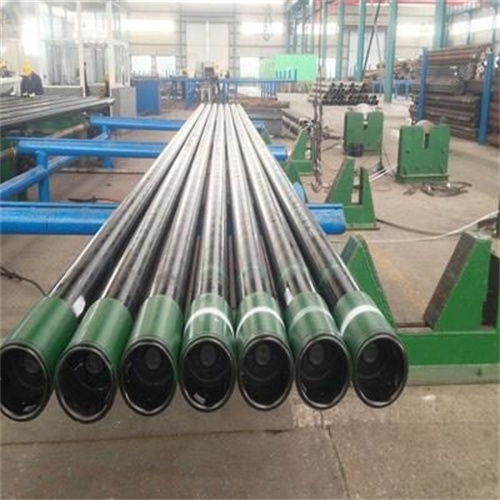
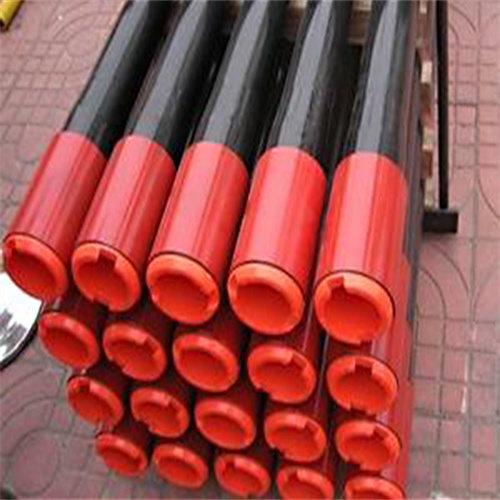
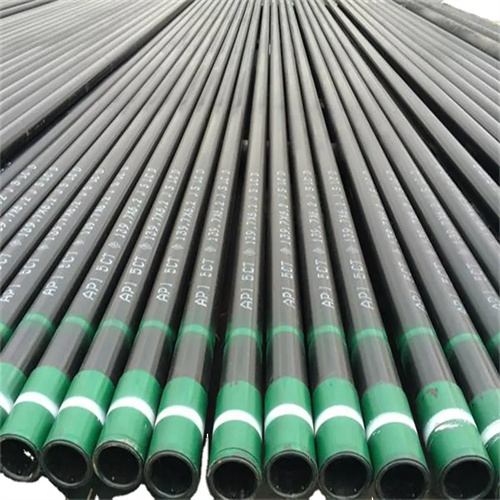
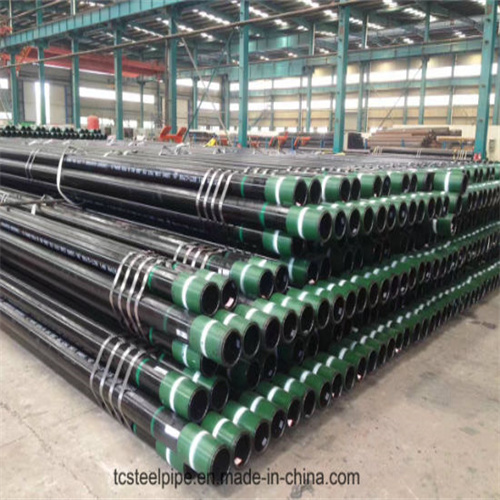
Casing Pipe for Oilfield Drilling
In conclusion, analyzing the policy role in promoting new product development is essential for understanding the broader context in which innovation takes place. By examining the various ways in which policies impact different stages of the product development process, businesses can better navigate the regulatory landscape and leverage opportunities for growth. Ultimately, a supportive policy environment can foster a culture of innovation and drive economic development through the introduction of new and improved products to the market.

![[oil pipe] [Wholesale Price] [High Quality] high grade Chinese](https://www.casingtube.com/wp-content/uploads/2022/03/u39427891151090612774fm253fmtautoapp138fJPEG-768x433.webp)