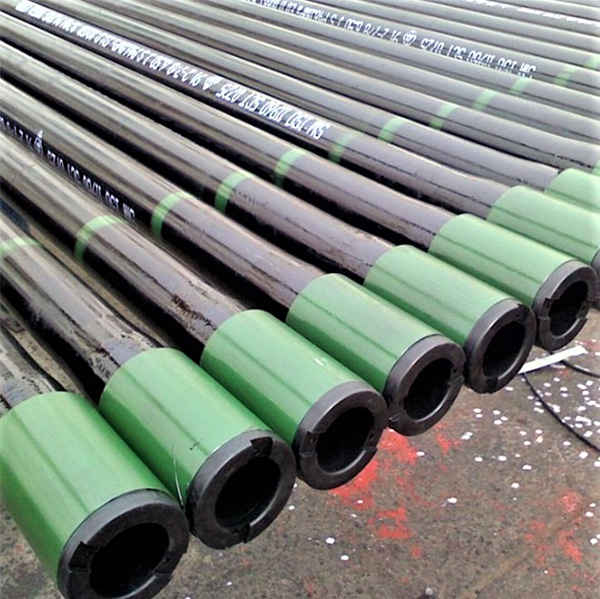
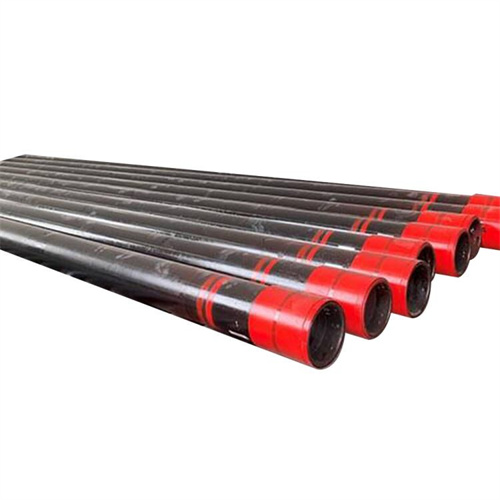
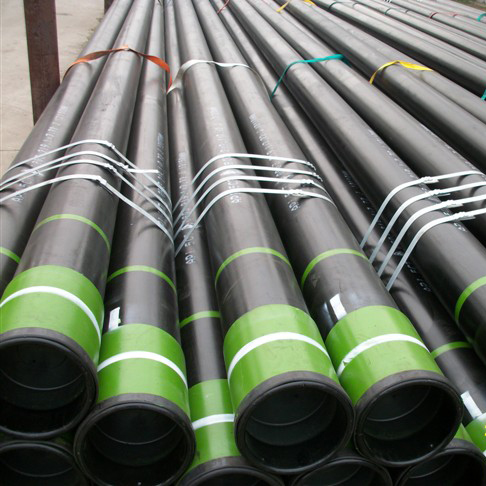
Advanced Materials Used in Oil Casing Industry
The oil casing industry has witnessed significant advancements in recent years, particularly in the realm of materials used for casing production. This evolution has been driven by the industry’s constant quest for improved performance, durability, and cost-effectiveness. Advanced materials play a crucial role in enhancing the efficiency and longevity of oil casing systems, thereby contributing to the overall sustainability of oil extraction operations.
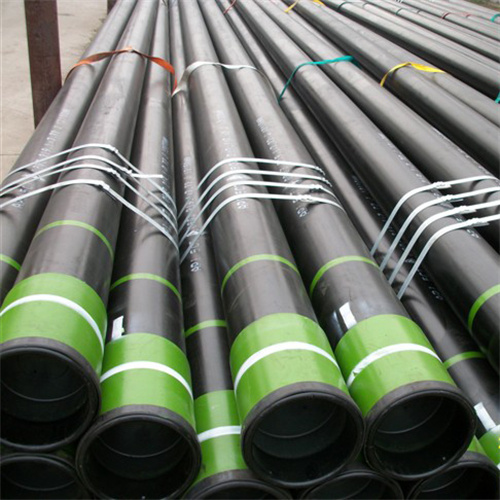 One of the key materials that have gained prominence in the oil casing industry is corrosion-resistant alloys (CRAs). These alloys are specifically designed to withstand the harsh operating conditions prevalent in Oil Wells, such as high temperatures, pressures, and corrosive environments. By incorporating CRAs into casing designs, operators can significantly extend the lifespan of their wells while minimizing the need for frequent Maintenance and replacements.
In addition to CRAs, composite materials have also emerged as a viable option for oil casing applications. Composites offer a unique combination of strength, lightness, and Corrosion resistance, making them ideal for challenging downhole environments. By leveraging the unique properties of composite materials, oil casing Manufacturers can develop innovative solutions that address the industry’s evolving needs.
used Oil Well Casing for sale
Furthermore, the integration of nanotechnology in Oil casing materials has opened up new possibilities for enhancing performance and reliability. Nanocomposites, which consist of nanoscale particles dispersed within a matrix material, exhibit exceptional mechanical properties and resistance to wear and corrosion. By harnessing the power of nanotechnology, oil casing Manufacturers can create ultra-durable and high-performance casing systems that outperform traditional materials.
Another area of innovation in the oil casing industry is the use of smart materials that can actively respond to changes in their environment. Smart materials, such as shape memory alloys and self-healing polymers, have the ability to adapt their properties in real-time, offering enhanced functionality and durability. By incorporating smart materials into casing designs, operators can improve the efficiency of their operations and reduce the risk of costly downtime.
Overall, the adoption of advanced materials in the oil casing industry represents a significant step towards achieving greater efficiency, reliability, and sustainability in oil extraction operations. By leveraging the unique properties of CRAs, composites, nanomaterials, and smart materials, oil casing manufacturers can develop cutting-edge solutions that meet the evolving demands of the industry. As technology contiNues to advance, the role of advanced materials in sh APIng the future of the oil casing industry will only become more pronounced, driving further innovation and progress in this critical sector.
technical Challenges and Solutions in Oil Casing Industry
The oil casing industry faces a myriad of technical challenges that necessitate innovative solutions, particularly in the realm of advanced materials. One of the primary challenges lies in the harsh operating environments to which oil casings are exposed. High temperatures, corrosive substances, and extreme pressures can all contribute to the degradation of traditional casing materials over time. This degradation not only compromises the structural integrity of the casing but also poses significant safety risks to personnel and the environment.
To address these challenges, the industry has turned its attention to advanced materials that offer superior performance characteristics compared to conventional options. One such material is corrosion-resistant alloys (CRAs), which are specifically designed to withstand corrosive environments commonly encountered in Oil and Gas production. By incorporating CRAs into casing design, operators can significantly extend the lifespan of their equipment while minimizing the need for costly maintenance and replacements.
Another key technical challenge in the oil casing industry is the need for materials that can withstand high temperatures without sacrificing mechanical properties. Traditional materials often struggle to maintain their strength and integrity when exposed to elevated temperatures, leading to premature failure and operational disruptions. Advanced materials such as high-temperature alloys and composites have emerged as viable solutions to this problem, offering enhanced thermal stability and mechanical performance under extreme conditions.
In addition to environmental factors, the oil casing industry must also contend with challenges related to downhole conditions. Abrasive fluids, high-velocity flows, and mechanical wear can all contribute to the deterioration of casing materials over time. To combat these issues, industry experts are exploring the use of advanced coatings and surface treatments that can enhance the wear resistance and durability of casings in downhole environments.
Furthermore, the industry is increasingly focused on developing materials that are compatible with emerging drilling technologies, such as directional drilling and hydraulic fracturing. These techniques place unique demands on casing materials, requiring them to exhibit flexibility, toughness, and resistance to fatigue failure. Advanced materials that offer a combination of these properties are essential for ensuring the success and safety of modern drilling operations.
In conclusion, the oil casing industry faces a range of technical challenges that necessitate the adoption of advanced materials to ensure the reliability, safety, and efficiency of oil and gas production. By leveraging the unique properties of materials such as CRAs, high-temperature alloys, and advanced coatings, operators can overcome these challenges and pave the way for a more sustainable and resilient industry. Through ongoing research and innovation, the industry is poised to address current and future technical challenges while driving continued growth and development in the oil and gas sector.
Environmental Impact Assessment of Advanced Materials in Oil Casing Industry
The oil casing industry plays a crucial role in the extraction and transportation of oil and gas resources. As technology advances, there is a growing interest in the use of advanced materials in this industry to enhance performance and durability. However, the adoption of these materials raises important environmental considerations that must be carefully assessed.
One key aspect of evaluating the environmental impact of advanced materials in the oil casing industry is understanding their production process. The manufacturing of advanced materials often involves complex procedures that may have significant energy requirements and emissions. Assessing the carbon footprint and energy consumption associated with producing these materials is essential in determining their overall environmental impact.
In addition to production, the use phase of advanced materials in oil casings must also be considered. These materials are expected to offer improved mechanical properties and corrosion resistance, leading to longer service life and reduced maintenance needs. This can potentially result in lower environmental impact over the lifecycle of the casing. Understanding how these materials perform in real-world conditions and their implications for resource conservation is vital.
Furthermore, the disposal and end-of-life management of advanced materials in oil casings present unique challenges. Unlike traditional materials, advanced composites and alloys may require specialized recycling processes or disposal methods. Evaluating the recyclability and environmental consequences of these materials at the end of their service life is crucial for a comprehensive environmental impact assessment.
When assessing the environmental impact of advanced materials in the oil casing industry, it is important to consider the broader context of sustainability. Sustainable development goals emphasize the need to balance economic growth with environmental protection and social responsibility. Integrating advanced materials into the oil casing industry should align with these principles to ensure a sustainable future for the industry and the planet.
In conclusion, the adoption of advanced materials in the oil casing industry offers exciting opportunities for improved performance and efficiency. However, a thorough environmental impact assessment is essential to understand the implications of these materials on the ecosystem. By evaluating the production process, use phase, and end-of-life management of advanced materials, stakeholders can make informed decisions that promote environmental sustainability in the oil casing industry.