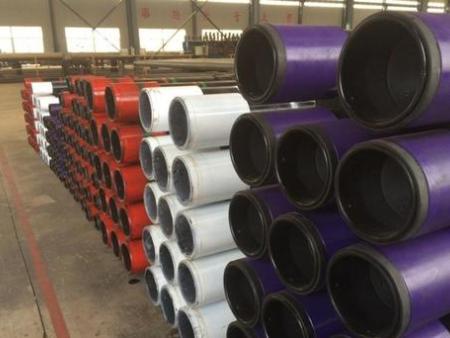
Challenges in Implementing Sustainable Waste Management Practices in the Oil Casing Industry
The oil casing industry plays a crucial role in the global economy, providing the infrastructure necessary for oil extraction and production. However, this industry also generates a significant amount of waste that needs to be managed effectively to minimize environmental impact. Implementing sustainable waste management practices in the oil casing industry presents several challenges that need to be addressed.
One of the primary challenges in waste management within the oil casing industry is the complex technical environment in which operations take place. The equipment and processes involved in oil extraction and casing production are highly specialized and require specific handling procedures for waste management. This technical complexity adds a layer of difficulty to implementing sustainable practices, as any changes must be carefully integrated into existing operations without disrupting efficiency.
Moreover, the nature of waste generated in the oil casing industry poses unique challenges. Waste Materials such as drilling muds, cuttings, and contaminated water contain hazardous substances that require specialized treatment and disposal methods. Ensuring compliance with environmental regulations while effectively managing these hazardous wastes is a critical aspect of sustainable waste management in this industry.
Another significant challenge is the scale of operations in the oil casing industry. Large volumes of waste are generated daily from drilling, casing, and production activities, requiring robust waste management infrastructure to handle effectively. Coordinating waste collection, treatment, and disposal on such a large scale presents logistical challenges that must be carefully managed to prevent environmental harm.
In addition to technical and operational challenges, economic factors also play a role in the implementation of sustainable waste management practices in the oil casing industry. Investing in new technologies and infrastructure for waste treatment and recycling can be costly, and Companies may be hesitant to allocate resources without clear economic incentives or regulatory requirements. Balancing the financial implications of sustainable waste management with environmental considerations is a delicate task that requires careful planning and strategic decision-making.
Furthermore, the global nature of the oil casing industry introduces additional complexities to waste management practices. Companies operating in multiple regions must navigate different regulatory frameworks, cultural norms, and environmental standards, making it challenging to implement consistent waste management practices across all operations. Collaboration and knowledge sharing between industry stakeholders are essential to overcoming these barriers and promoting sustainable waste management on a global scale.
In conclusion, the challenges of implementing sustainable waste management practices in the oil casing industry are multifaceted and require a comprehensive approach that addresses technical, operational, economic, and regulatory considerations. By recognizing these challenges and working collaboratively to find innovative solutions, the industry can minimize its environmental footprint and contribute to a more sustainable future for all stakeholders involved.
Impact of Technology on Improving Efficiency in Oil Casing Waste Management
The oil casing industry plays a crucial role in the extraction and transportation of Oil and Gas. However, this industry also generates a significant amount of waste that needs to be managed efficiently to minimize environmental impact. Technological advancements have been instrumental in improving the efficiency of waste management in the oil casing industry.
One key aspect where technology has made a significant impact is in the monitoring and tracking of waste generated during the oil casing process. Advanced sensors and monitoring devices are now used to accurately measure the volume and composition of waste materials. This real-time data allows companies to make informed decisions on how to handle and dispose of waste in an environmentally friendly manner.
https://youtube.com/watch?v=t4JR3TPOt7gFurthermore, the implementation of data analytics and machine learning algorithms has revolutionized waste management practices in the oil casing industry. By analyzing large datasets, companies can identify patterns and trends in waste generation, enabling them to optimize their processes and reduce waste production. Predictive analytics also play a crucial role in forecasting future waste generation, allowing companies to proactively implement measures to minimize waste.
The integration of Internet of Things (IoT) devices has also been a game-changer in oil casing waste management. IoT sensors installed in waste disposal sites can provide real-time data on factors such as temperature, moisture levels, and gas emissions. This data is invaluable in ensuring compliance with environmental regulations and identifying potential risks before they escalate.
Another area where technology has improved efficiency in oil casing waste management is in the development of innovative waste treatment solutions. Advanced treatment technologies such as thermal desorption units and bioremediation processes are now being used to treat and recycle waste materials effectively. These technologies not only reduce the volume of waste that needs to be disposed of but also minimize the environmental impact of waste treatment processes.
Moreover, the adoption of blockchain technology has brought transparency and traceability to waste management practices in the oil casing industry. By recording waste disposal transactions on a secure and immutable blockchain ledger, companies can ensure accountability and compliance with regulations. This level of transparency also helps build trust with stakeholders and the community by demonstrating a commitment to responsible waste management practices.
In conclusion, the impact of technology on improving efficiency in oil casing waste management cannot be overstated. From advanced monitoring and analytics tools to innovative treatment solutions and blockchain integration, technology has transformed the way waste is managed in the oil casing industry. By leveraging these technological advancements, companies can not only reduce their environmental footprint but also enhance operational efficiency and sustainability in the long run.
Data Analytics Solutions for Optimizing Waste Management Processes in the Oil Casing Industry
The oil casing industry plays a crucial role in the global energy sector, providing the infrastructure necessary for oil extraction and production. However, this industry also generates a significant amount of waste that needs to be managed efficiently to minimize environmental impact. In recent years, there has been a growing focus on leveraging data analytics solutions to optimize waste management processes in the oil casing industry.
Data analytics offers a powerful tool for analyzing and understanding the technical environment of waste management in this industry. By collecting and analyzing data from various sources, such as sensors, IoT devices, and operational records, companies can gain valuable insights into their waste generation patterns, disposal methods, and environmental compliance.
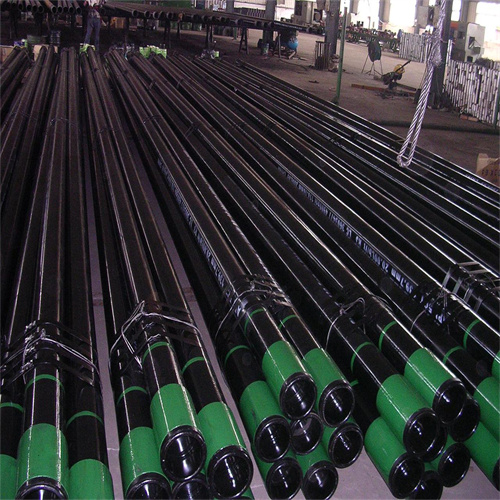
One key aspect of data analytics in waste management is predictive modeling. By using historical data on waste generation and disposal, companies can develop predictive models that forecast future waste volumes and identify potential bottlenecks in the waste management process. This allows companies to proactively address issues before they escalate, leading to more efficient and cost-effective waste management practices.
Another important application of data analytics in waste management is real-time monitoring. By implementing sensor networks and IoT devices throughout their facilities, companies can continuously monitor key waste management metrics, such as waste volume, composition, and disposal routes. This real-time data enables companies to make informed decisions on the fly, optimizing their waste management processes in response to changing conditions.
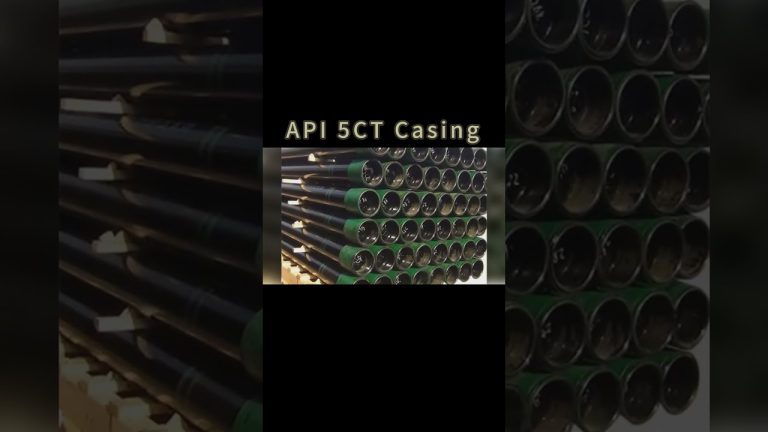
API 5ct T95 CASING china Best SuppliersFurthermore, data analytics can help companies track their environmental performance and ensure compliance with regulatory requirements. By analyzing data on emissions, waste disposal methods, and environmental impact, companies can identify areas where they can improve their sustainability practices and reduce their carbon footprint. This not only benefits the environment but also enhances the Company‘s reputation and stakeholder relationships.
In addition to optimizing waste management processes, data analytics can also drive innovation in the oil casing industry. By analyzing data on waste composition and characteristics, companies can identify opportunities for recycling, reuse, and resource recovery. This not only reduces waste disposal costs but also creates new reveNue streams and business opportunities.
Overall, data analytics solutions offer a powerful means of optimizing waste management processes in the oil casing industry. By leveraging data-driven insights, companies can improve their operational efficiency, reduce environmental impact, and drive innovation in this critical sector. As the industry continues to evolve, data analytics will play an increasingly important role in shaping the future of waste management practices in the oil casing industry.