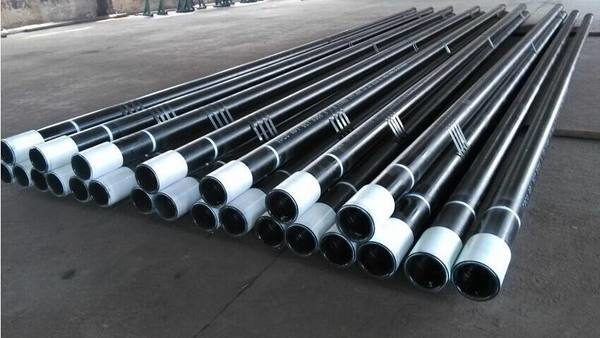
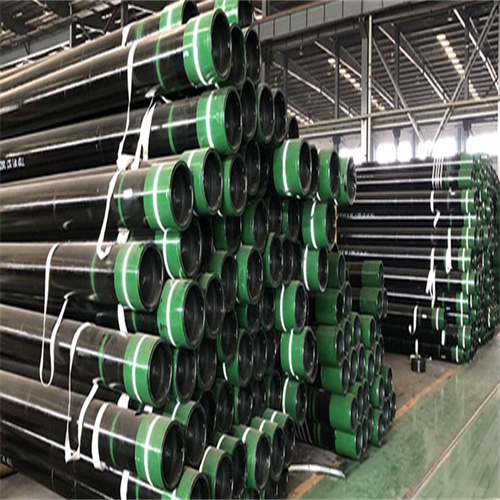
Exploring the Importance of Excellent Anti-Corrosion Methods in Oil Casing
Oil casing is an integral element of the oil drilling and extraction operation. This critical component, often made of Steel, protects and secures Oil Wells, guarding the precious hydrocarbon resources as they’re drawn from deep beneath the Earth’s surface. The longevity and functionality of oil casing depends significantly on the anti-corrosion methods, further indicating its exemplary importance.
https://youtube.com/watch?v=t4JR3TPOt7gOil casings are exposed to harsh subterranean conditions routinely. These conditions encompass high pressures, varied temperatures, and an array of corrosive factors like millions of years old saline brine, sulphur, and corrosive Gases. With such adversity, it is imperative to deploy top-tier anti-corrosion solutions for the casing to withstand any corrosion threat. Over a period, corrosive factors can degrade the oil casing Material, adversely affecting the entire oil drilling process, and potentially leading to a catastrophic system failure.
Petroleum IndustryThe immense financial investment and environmental responsibility involved in oil exploration and extraction further augment the importance of excellent anti-corruption methods in oil casing. Oil Companies are under constant scrutiny to protect not just their investments, but also the environment and local communities from oil leaks and disasters linked to casing failure. Therefore, Corrosion resistance isn’t merely about saving costs, it extends to promoting sustainability, maintaining safety and ensuring the wellbeing of the public and the planet.
high-quality corrosion-resistant casings are made of materials that exhibit superior resistance to corrosive elements. Often, these materials include Carbon steel, clad steel, Stainless Steel, or non-ferrous metals, all of which deftly respond to corrosive situations. These materials not only ensure prolonged life of the oil casing but also reduce Maintenance costs and outage times. Many of these materials are further treated with corrosion-resistant coatings for an additional layer of protection.
Nevertheless, the choice of anti-corrosion casing is not a one-size-fits-all matter. Specific environmental factors, such as the chemical composition of the underground field, pressure and temperature variations, and the type of hydrocarbons present, significantly influence the choice of casing material as well its anti-corrosion treatment. Therefore, it’s crucial that comprehensive analysis and meticulous planning precedes the selection of oil casing and its corrosion-resistant features.
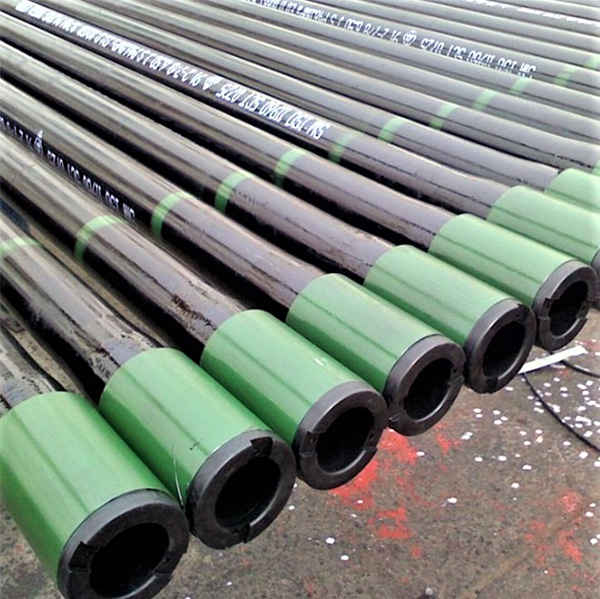
Additionally, the advances in such anti-corrosion technology have made significant strides over the years. The incorporation of nanotechnology, for instance, has introduced nanostructured coatings that prove more resistant to corrosion than their traditional counterparts, thereby offering extended durability. Another approach uses microorganisms to combat corrosion, leveraging natural processes to shield against the debilitating effects of corrosion in the oilfield environment.
In conclusion, the selection of excellent anti-corrosion methods for oil casings is not merely a technical preference, but a strategic and environmental imperative. It crucially affects the efficiency, longevity, and safety of the oil extraction process. Therefore, painstaking care and thought must acCompany each choice made for anti-corrosion in oil casing. In doing so, we not only secure our present operations but also safeguard the sustained and safe pursuit of essential energy resources for the future.