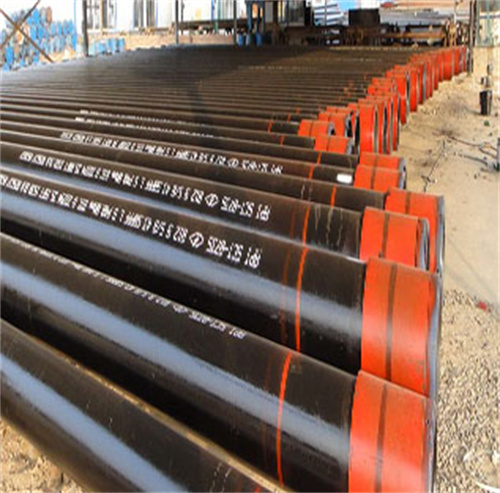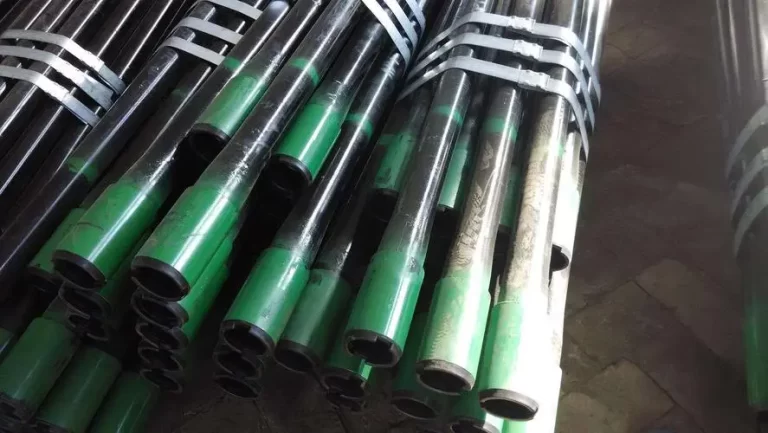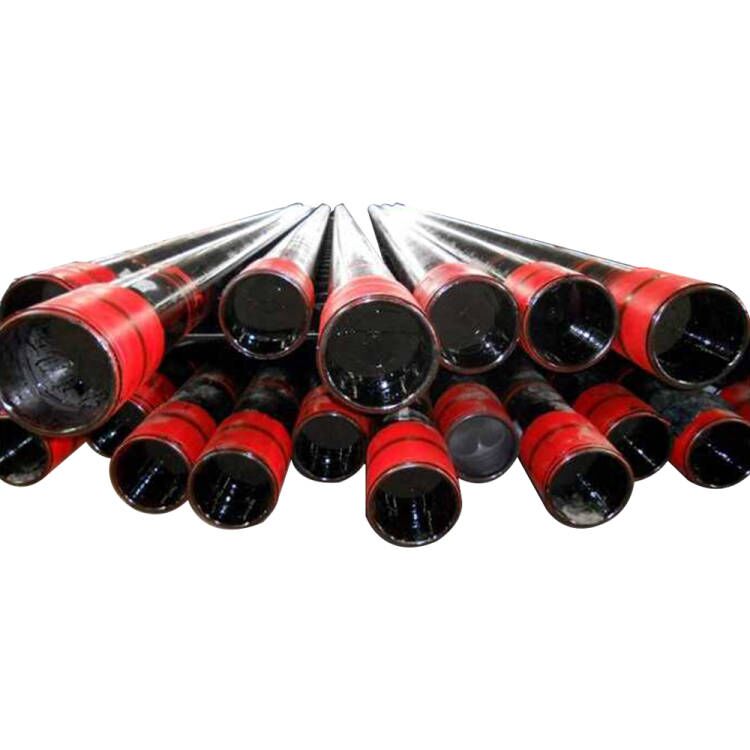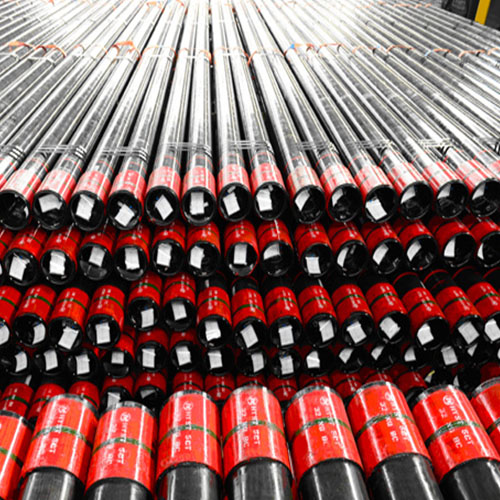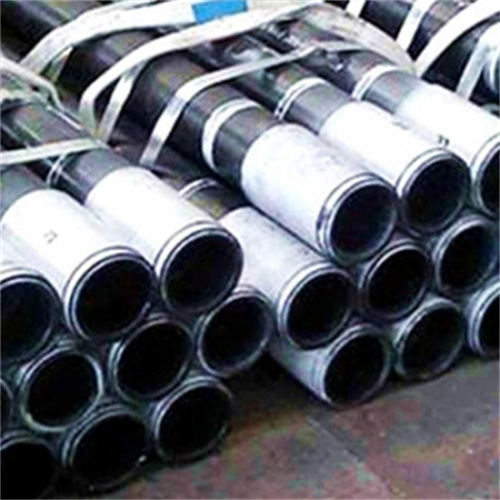
Factors Influencing Anti-corrosion coatings for Oil Casing Selection
The selection of anti-corrosion coatings for oil casing is a critical process that significantly impacts the longevity and reliability of oil extraction operations. Various factors influence the effectiveness of these coatings, and understanding these elements is essential for making informed decisions. One of the primary considerations is the environmental conditions to which the oil casing will be exposed. For instance, the presence of moisture, salinity, and temperature fluctuations can greatly affect the performance of anti-corrosion coatings. In environments where high humidity and saline conditions prevail, such as offshore drilling sites, coatings must be specifically formulated to withstand these harsh conditions. This necessitates a thorough assessment of the environmental factors before selecting an appropriate coating.
Another crucial factor is the type of substrate Material used for the oil casing. Different metals exhibit varying degrees of susceptibility to corrosion, and the choice of coating must align with the substrate’s properties. For example, Carbon Steel, commonly used in oil casing, is particularly prone to corrosion, necessitating the application of robust anti-corrosion coatings. The compatibility of the coating with the substrate is vital, as an incompatible coating can lead to delamination or failure, ultimately compromising the integrity of the casing. Therefore, it is imperative to consider the metallurgical characteristics of the casing material when selecting an anti-corrosion solution.
Furthermore, the anticipated lifespan of the oil casing plays a significant role in the selection process. Coatings are available in various formulations, each designed for specific durability and performance expectations. For short-term applications, less expensive coatings may suffice; however, for long-term operations, investing in high-performance coatings that offer superior protection against corrosion is advisable. This decision should also take into account the potential costs associated with Maintenance and replacement, as a more durable coating can lead to lower overall expenses in the long run.
branch Pipe ExporterIn addition to environmental and material considerations, the application method of the anti-corrosion coating is another factor that cannot be overlooked. Different coatings require specific application techniques, such as spraying, brushing, or dipping, and the choice of method can influence the coating’s adhesion and overall effectiveness. Moreover, the surface preparation of the casing prior to coating application is critical. Proper cleaning and surface treatment can enhance the bonding of the coating to the substrate, thereby improving its protective capabilities. Therefore, it is essential to adhere to best practices in surface preparation to ensure optimal performance of the anti-corrosion coating.
Moreover, regulatory standards and industry guidelines also play a significant role in the selection of anti-corrosion coatings for oil casing. Compliance with these regulations is not only a legal requirement but also a best practice that ensures the safety and environmental sustainability of oil extraction operations. Coatings must meet specific performance criteria outlined by industry standards, which can vary by region and application. Therefore, staying informed about the latest regulations and standards is crucial for making appropriate coating selections.
Lastly, the cost of the anti-corrosion coating is an important consideration. While it may be tempting to opt for the least expensive option, it is essential to evaluate the long-term benefits and potential savings associated with higher-quality coatings. Investing in a superior anti-corrosion solution can lead to reduced maintenance costs and extended service life, ultimately providing better value over time. In conclusion, the selection of anti-corrosion coatings for oil casing is influenced by a multitude of factors, including environmental conditions, substrate material, anticipated lifespan, application methods, regulatory standards, and cost considerations. By carefully evaluating these elements, operators can make informed decisions that enhance the durability and reliability of their oil casing, ensuring the success of their extraction operations.
Best Practices for Ordering Anti-Corrosion Oil casing materials
When it comes to the Oil and Gas industry, the integrity of casing materials is paramount, particularly in environments where corrosion can significantly compromise the structural integrity of wells. Therefore, understanding the best practices for ordering anti-corrosion oil casing materials is essential for ensuring the longevity and reliability of these critical components. The selection process begins with a thorough assessment of the specific environmental conditions that the casing will encounter. Factors such as temperature, pressure, and the chemical composition of the fluids present in the well must be meticulously evaluated. This initial analysis is crucial, as it informs the selection of materials that can withstand the unique challenges posed by the operating environment.
Once the environmental conditions are understood, the next step involves selecting the appropriate anti-corrosion coatings or materials. Various options are available, including epoxy coatings, zinc-based coatings, and specialized alloys designed to resist corrosion. Each of these materials has its own set of advantages and limitations, which must be carefully weighed against the specific requirements of the project. For instance, while epoxy coatings may offer excellent resistance to certain chemicals, they might not perform as well in high-temperature environments. Therefore, it is essential to consult with material specialists or engineers who can provide insights into the most suitable options based on empirical data and industry standards.
In addition to material selection, it is also vital to consider the manufacturing processes involved in producing the casing. The quality of the manufacturing process can significantly impact the performance of the anti-corrosion features. Therefore, it is advisable to source materials from reputable Manufacturers who adhere to stringent quality control measures and industry certifications. This not only ensures that the materials meet the required specifications but also provides a level of assurance regarding their performance in the field. Engaging with Suppliers who have a proven track record in the industry can facilitate a Smoother procurement process and help mitigate potential risks associated with subpar materials.

Furthermore, it is important to establish clear communication with suppliers regarding the specific requirements and expectations for the anti-corrosion casing materials. Providing detailed specifications, including dimensions, coating thickness, and any additional treatments, can help prevent misunderstandings and ensure that the delivered products meet the necessary standards. Additionally, discussing lead times and delivery schedules is crucial, as delays in obtaining materials can have significant repercussions on project timelines and budgets.
Another best practice involves conducting thorough inspections and testing of the materials upon delivery. This step is often overlooked but is essential for verifying that the materials conform to the specified requirements. Implementing a robust quality assurance process, including visual inspections and, if necessary, more advanced testing methods, can help identify any defects or inconsistencies before the materials are put into service. This proactive approach not only enhances the reliability of the casing but also contributes to the overall safety of the operation.
In conclusion, ordering anti-corrosion oil casing materials requires a comprehensive understanding of the environmental conditions, careful selection of appropriate materials, and diligent communication with suppliers. By adhering to these best practices, operators can significantly enhance the durability and performance of their casing systems, ultimately leading to safer and more efficient oil and gas operations. The investment in quality materials and processes pays dividends in the long run, as it minimizes the risks associated with corrosion and extends the operational lifespan of the wells.