Overview of API 5ct l80 Specifications
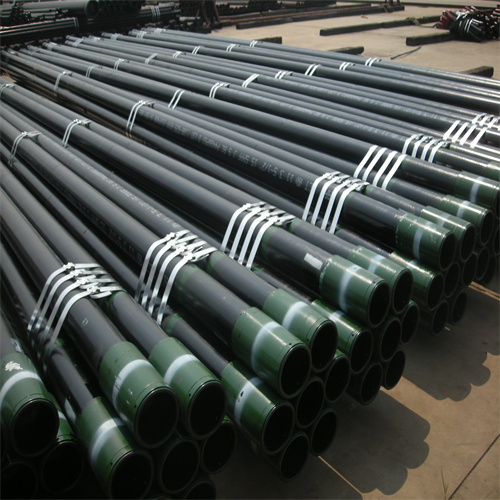
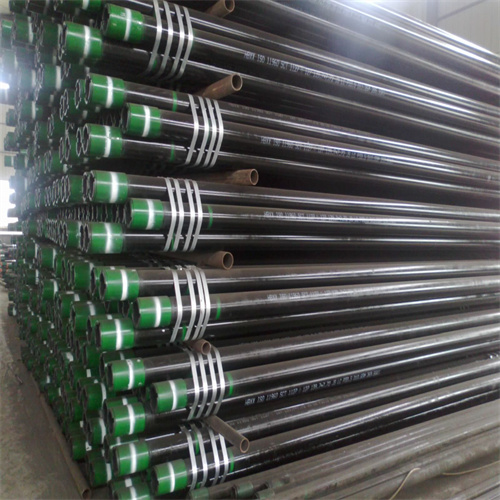
API 5CT L80 specifications are critical in the Oil and Gas industry, particularly concerning the production and transportation of hydrocarbons. This specification outlines the requirements for seamless and welded Steel Casing and Tubing Pipes used in the drilling and completion of oil and gas wells. The L80 grade, in particular, is designed to provide enhanced strength and Corrosion resistance, making it suitable for various challenging environments encountered in oilfield operations. The L80 designation indicates a minimum yield strength of 80,000 psi, which is essential for maintaining structural integrity under high-pressure conditions.
The API 5CT standard encompasses several key aspects, including chemical composition, mechanical properties, and manufacturing processes. The chemical composition of L80 Pipes typically includes elements such as carbon, manganese, phosphorus, sulfur, and chromium, which contribute to the Material‘s overall performance. The precise control of these elements ensures that the pipes can withstand the harsh conditions often found in oil and gas extraction, such as high temperatures and corrosive environments. Furthermore, the mechanical properties of L80 pipes, including yield strength, tensile strength, and elongation, are rigorously tested to ensure compliance with API standards.
In addition to the material specifications, the manufacturing process for API 5CT L80 pipes is also critical. The pipes can be produced through various methods, including seamless and welded techniques. Seamless Pipes are formed from a solid round steel billet, which is heated and then pierced to create a hollow tube. This method results in a pipe with no seams or welds, providing superior strength and reliability. On the other hand, Welded Pipes are created by rolling flat steel plates into a cylindrical shape and then welding the edges together. While welded pipes can be more cost-effective, they may not offer the same level of performance as seamless pipes in high-stress applications.
Quality control is paramount in the production of API 5CT L80 pipes. Manufacturers must adhere to strict testing protocols to ensure that each pipe meets the required specifications. This includes Non-destructive testing methods such as ultrasonic testing and magnetic particle inspection, which help identify any defects or inconsistencies in the material. Additionally, pressure testing is conducted to verify the pipe’s ability to withstand the operational pressures it will encounter in the field. These rigorous quality assurance measures are essential for ensuring the safety and reliability of the pipes used in oilfield applications.
Casing Pipe chinese good CompanyThe versatility of API 5CT L80 pipes makes them suitable for a wide range of applications, including both onshore and offshore drilling operations. Their ability to perform under extreme conditions, combined with their resistance to corrosion, makes them an ideal choice for various well types, including tHose that require enhanced durability. As the oil and gas industry contiNues to evolve, the demand for high-quality, reliable tubing and casing solutions remains paramount. The API 5CT L80 specifications play a crucial role in meeting this demand, providing a framework for manufacturers to produce pipes that meet the rigorous standards required for successful oilfield operations.
In conclusion, API 5CT L80 specifications are integral to the oil and gas industry, ensuring that the tubing and casing pipes used in drilling and completion activities are capable of withstanding the challenges posed by harsh environments. Through stringent material requirements, manufacturing processes, and quality control measures, L80 pipes provide the strength and reliability necessary for safe and efficient hydrocarbon extraction. As the industry continues to advance, adherence to these specifications will remain essential for maintaining operational integrity and safety in oilfield applications.