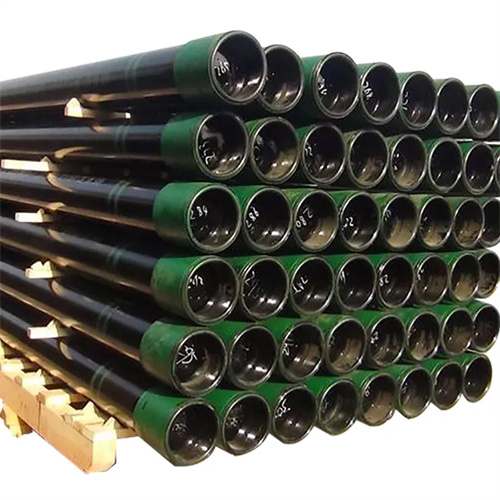
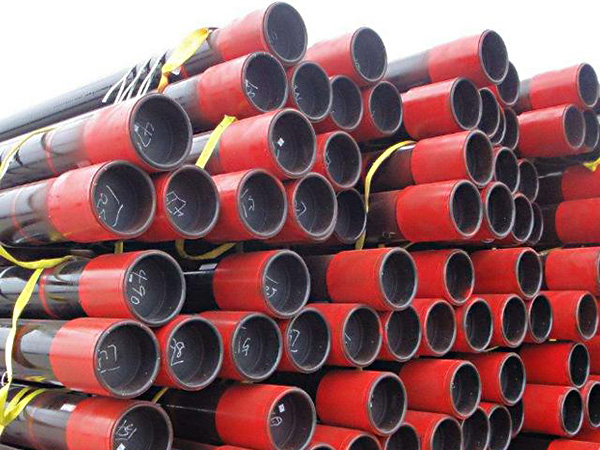
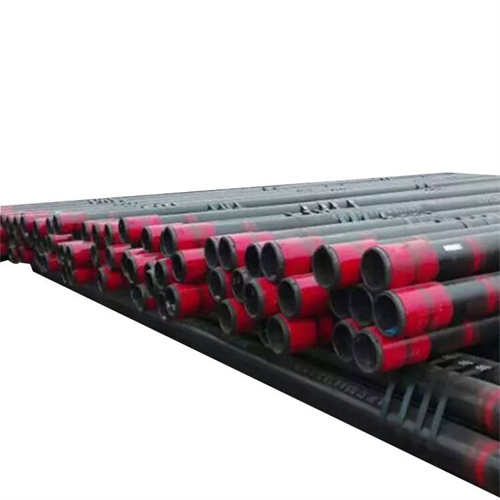
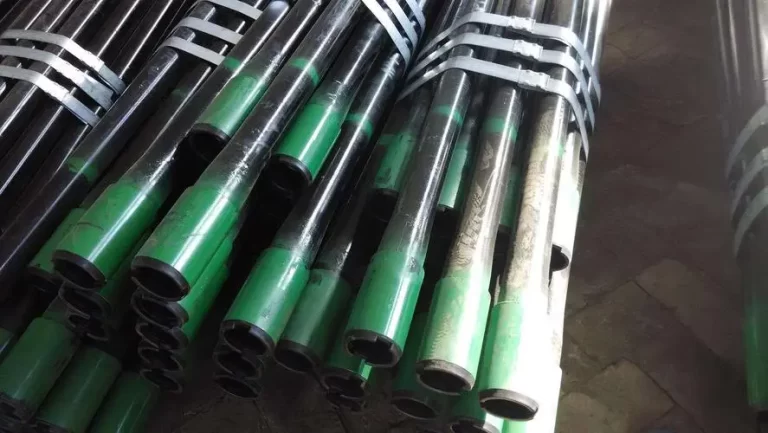
Overview of API 5ct l80 Casing and Tubing Pipe Specifications
API 5CT L80 casing and Tubing Pipe specifications are critical components in the Oil and Gas industry, particularly in the context of well Construction and Maintenance. These specifications are established by the American Petroleum Institute (API) to ensure that the Materials used in drilling operations meet stringent quality and performance standards. The L80 designation refers to a specific grade of Steel that is designed to withstand the harsh conditions encountered in oil and gas extraction. This grade is particularly valued for its strength and resistance to corrosion, making it suitable for use in various environments, including tHose with high temperatures and pressures.
The L80 casing and tubing Pipes are manufactured using a combination of alloying elements that enhance their mechanical properties. These pipes are typically produced in different sizes and Wall thicknesses, allowing for versatility in application. The specifications outline the chemical composition, mechanical properties, and manufacturing processes that must be adhered to in order to ensure the integrity and reliability of the pipes. For instance, the yield strength of L80 pipes is typically around 80,000 psi, which provides the necessary support for the wellbore and helps prevent collapse under extreme conditions.
 In addition to mechanical properties, the API 5CT L80 specifications also address the requirements for testing and inspection. Each batch of casing and tubing must undergo rigorous quality control measures, including Non-destructive testing methods such as ultrasonic testing and magnetic particle inspection. These tests are essential for identifying any potential defects or weaknesses in the material before it is deployed in the field. Furthermore, the specifications require that the pipes be marked with relevant information, including the grade, size, and heat number, to ensure traceability throughout the supply chain.
The importance of adhering to API 5CT L80 specifications cannot be overstated, as the failure of casing or tubing can lead to catastrophic consequences, including blowouts, leaks, and environmental damage. Therefore, operators must ensure that they source their materials from reputable Manufacturers who comply with these standards. This not only guarantees the safety and efficiency of drilling operations but also helps to protect the environment and the communities surrounding oil and gas projects.
Moreover, the API 5CT L80 specifications are regularly reviewed and updated to reflect advancements in technology and changes in industry practices. This ongoing evolution ensures that the specifications remain relevant and effective in addressing the challenges faced by the oil and gas sector. As new materials and manufacturing techniques are developed, the API works closely with industry stakeholders to incorporate these innovations into the specifications, thereby enhancing the performance and reliability of casing and tubing pipes.
In conclusion, the API 5CT L80 casing and tubing pipe specifications play a vital role in the oil and gas industry by providing a framework for the production and testing of high-quality materials. These specifications ensure that the pipes can withstand the demanding conditions of drilling operations while maintaining safety and environmental standards. As the industry contiNues to evolve, the importance of adhering to these specifications will remain paramount, ensuring that operators can effectively manage the risks associated with oil and gas extraction. By prioritizing compliance with API 5CT L80 specifications, Companies can enhance their operational efficiency and contribute to the sustainable development of energy resources.
Key Applications of API 5CT L80 Casing and Tubing
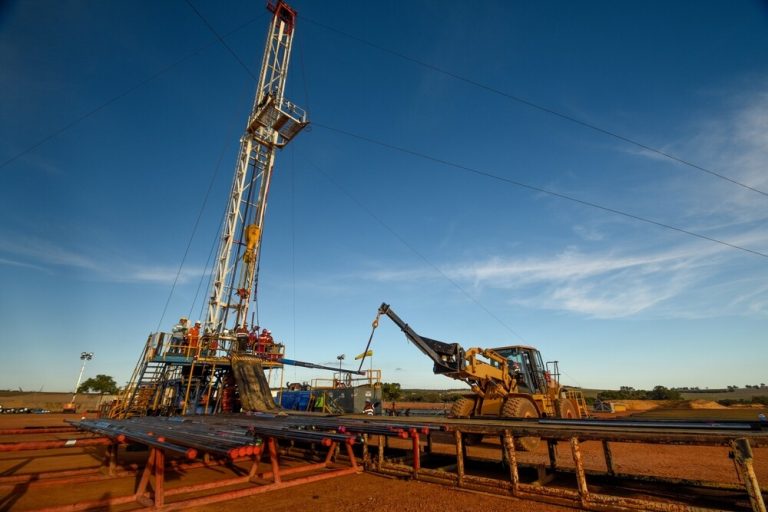
API 5CT L80 casing and tubing pipes are critical components in the oil and gas industry, serving as the backbone for various drilling activities. These pipes are designed to withstand high pressures and corrosive environments, making them essential for maintaining the integrity of wells. One of the key applications of API 5CT L80 pipes is in the production phase of oil and gas extraction. More specifically, they play a vital role in the completion of wells, allowing for the safe and efficient extraction of hydrocarbons from underground reservoirs.
In the context of oil and gas production, API 5CT L80 Casing Pipes provide a protective barrier for the wellbore. As drilling progresses, these pipes are inserted into the well to stabilize the structure and prevent the collapse of surrounding rock formations. Furthermore, the L80 specification ensures that the casing can tolerate various environmental stressors such as high temperatures and pressures typically encountered at deeper well depths. Consequently, this capability significantly enhances the safety and reliability of operations, thereby reducing the risk of catastrophic failures that could lead to spills or blowouts.
Another important application of API 5CT l80 tubing is in the transportation of produced fluids. After extraction, crude oil, natural gas, and other hydrocarbons must be transported to the surface for processing. The L80 tubing is designed for this very purpose, providing an efficient conduit that can handle varying pressures and flow rates. Its suitability for high-temperature and corrosive environments ensures that the conveyed fluids reach their destination without compromise. Additionally, the mechanical properties of L80 piping help minimize wear and tear, extending the lifespan of the tubing in challenging conditions.
Moreover, these pipes are commonly utilized in offshore drilling projects. The unique challenges posed by marine environments require robust materials that can resist the effects of saltwater and maintain structural integrity under varying atmospheric pressures. API 5CT L80 casing and tubing meet these demands through their enhanced durability and Corrosion resistance, making them a preferred choice for offshore operations. Their applications extend to subsea installations, where they contribute to the operational safety and efficiency of underwater drilling activities.
Beyond the traditional realms of oil and gas, API 5CT L80 pipes are also finding applications in geothermal energy extraction. As the demand for alternative energy sources grows, the need for reliable casing and tubing materials in geothermal wells has increased. L80 pipes, with their inherent strength and temperature resilience, can effectively handle the extreme conditions often associated with geothermal reservoirs. Thus, these pipes not only support conventional energy extraction but also play a part in the transition toward more sustainable energy practices.
In addition to their physical attributes, API 5CT L80 casing and tubing pipes are accompanied by detailed specifications, ensuring that they meet industry standards for performance and safety. The specifications also facilitate the proper selection of materials, which ensures seamless integration into various drilling systems. As technology advances and drilling techniques evolve, the adaptability of API 5CT L80 pipes continues to make them indispensable in multiple sectors. Collectively, these applications underscore the critical role that API 5CT L80 casing and tubing play in the efficient and safe extraction of hydrocarbons, supporting both traditional and emerging energy industries. Therefore, their significance cannot be overstated as they remain integral to the future of energy production.
Comparison of API 5CT L80 with Other Casing and Tubing Grades
In the oil and gas industry, casing and tubing pipes play a vital role in the drilling process, serving as the backbone of well integrity. Among the various specifications available, the API 5CT L80 grade stands out for its specific mechanical properties and suitability for various drilling environments. As we delve into the comparison of API 5CT L80 with other casing and tubing grades, it becomes crucial to understand the characteristics that define these materials and the implications they have on drilling operations.
API 5CT L80 is primarily known for its excellent performance in sour service applications, which are characterized by the presence of hydrogen sulfide (H2S). This necessitates specific requirements for steel grades to ensure reliability and safety. The L80 specification includes various yield strengths, with L80-1 and L80-9Cr being amongst the most common iterations. In contrast, API grades like J55 and K55, while suitable for less aggressive environments, do not possess the same strength and toughness characteristics essential for demanding sour service conditions. Thus, L80’s enhanced mechanical properties make it a favorable choice in scenarios where environmental hazards are prevalent.
When compared to the higher-strength grades such as api 5ct P110, L80 also presents a unique balance of strength and ductility. For instance, P110 is engineered for high-pressure applications where extreme strength is paramount. While the P110 grade offers higher yield strength, it may sacrifice some ductility, making it less forgiving in environments subject to unexpected stress or strain. This characteristic can be significant in prolonged production scenarios where flexibility and adaptability to stress variations can impact the longevity of the wellbore. Consequently, while L80 remains an excellent choice for specific applications, understanding the context in which each grade excels is vital for selecting the appropriate casing material.
Another significant factor in the comparison is the cost-effectiveness associated with each grade. API 5CT L80 often falls into a mid-range pricing category compared to J55 and P110. The economic implications become particularly relevant for operators working within tight budgets or in less sophisticated drilling environments. While it is tempting to opt for higher-strength grades purely based on their specifications, a thorough analysis of the operational context is paramount. In some cases, the utilization of L80 can provide sufficient safety margins without the additional cost burden associated with more robust alternatives.
Oil Tube
Furthermore, material compatibility must be scrutinized when contrasting L80 with other grades. The risk of failure related to internal and external corrosion is a critical concern in oil and gas operations. This makes the consideration of environmental factors such as the presence of CO2 and H2S crucial. L80, designed with these concerns in mind, often features enhancements such as chromium content and other alloying elements that increase corrosion resistance. In this context, its performance can outperform lower grades while also presenting a more economical solution compared to some high-alloy options.
In conclusion, while API 5CT L80 has its distinctive advantages, understanding how it compares to other casing and tubing grades is essential for making informed decisions. Factors such as yield strength, ductility, cost, and material compatibility all play significant roles in determining the most suitable pipe specification for specific drilling conditions. Ultimately, a well-rounded approach that considers both technical specifications and economic factors will yield the best results in optimizing drilling performance and assuring well integrity.