Overview of API 5ct l80 Specifications
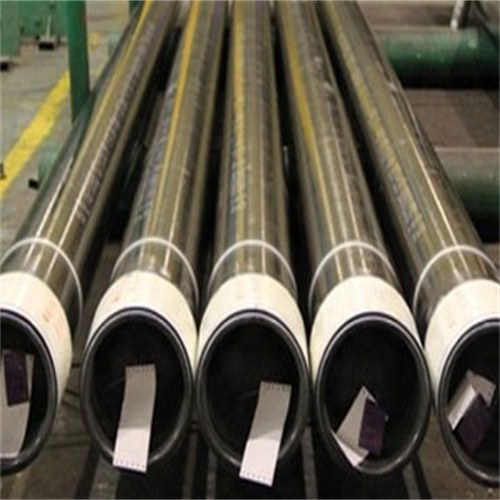
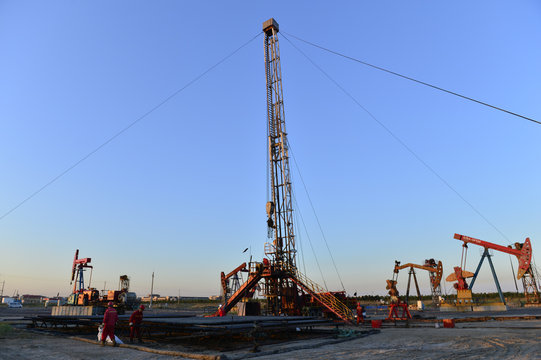
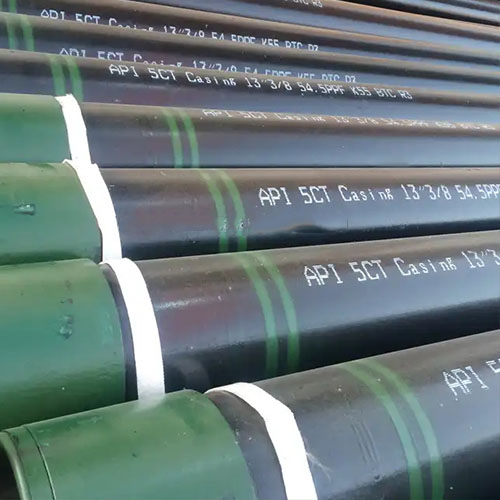
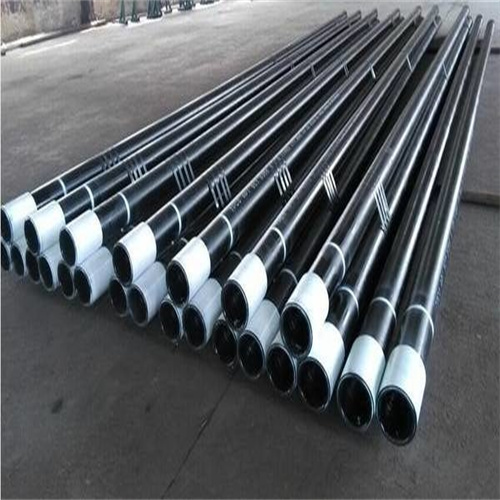
API 5CT L80 specifications are critical in the Oil and Gas industry, particularly concerning the production and transportation of hydrocarbons. These specifications outline the requirements for Casing and Tubing Pipes used in Oil Wells, ensuring that they can withstand the harsh conditions encountered during drilling and production. The L80 grade, specifically, is designed to provide enhanced strength and Corrosion resistance, making it suitable for various applications in both onshore and offshore environments. The significance of these specifications cannot be overstated, as they play a vital role in maintaining the integrity and safety of oilfield operations.
The L80 designation refers to a specific yield strength of 80,000 psi, which is essential for the structural integrity of the tubing and Casing Pipes. This yield strength is crucial because it determines the pipe’s ability to withstand the pressures encountered during drilling and production processes. In addition to yield strength, the API 5CT L80 specifications also address other mechanical properties, such as tensile strength and elongation, which are vital for ensuring that the Pipes can endure the stresses imposed by the surrounding geological formations and the fluids being transported.
Moreover, the API 5CT L80 specifications include requirements for chemical composition, which is essential for ensuring the durability and longevity of the pipes. The chemical makeup of the Steel used in L80 pipes typically includes elements such as carbon, manganese, phosphorus, sulfur, and chromium. These elements contribute to the overall performance of the pipes, particularly in terms of their resistance to corrosion and wear. The presence of chromium, for instance, enhances the corrosion resistance of the steel, making it suitable for use in environments where exposure to corrosive substances is a concern.
In addition to mechanical and chemical properties, the API 5CT L80 specifications also outline the necessary testing and inspection procedures that must be conducted to ensure the quality and reliability of the pipes. These tests may include Non-destructive testing methods, such as ultrasonic testing and magnetic particle inspection, which help identify any defects or inconsistencies in the Material. By adhering to these rigorous testing protocols, Manufacturers can ensure that the L80 pipes meet the required standards for performance and safety.
Furthermore, the API 5CT L80 specifications provide guidelines for the manufacturing process, including the methods used for forming, welding, and finishing the pipes. These guidelines are essential for maintaining consistency and quality throughout the production process. Manufacturers must follow these specifications closely to produce pipes that not only meet the required mechanical and chemical properties but also exhibit the necessary dimensional tolerances and surface finishes.
In conclusion, the API 5CT L80 specifications are a comprehensive set of guidelines that govern the production of oilfield tubing and casing pipes. By establishing stringent requirements for mechanical properties, chemical composition, testing procedures, and manufacturing processes, these specifications ensure that L80 pipes can withstand the demanding conditions of the oil and gas industry. As the industry contiNues to evolve, adherence to these specifications remains paramount in ensuring the safety, efficiency, and reliability of oilfield operations. The importance of API 5CT L80 specifications cannot be understated, as they serve as the foundation for the successful extraction and transportation of hydrocarbons, ultimately contributing to the energy needs of the world.
Oil Tube china Best Supplier