Importance of Vibration Damping in Oil Casing Applications
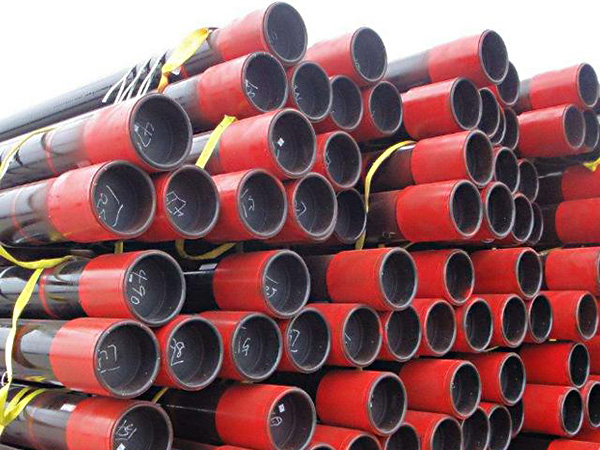
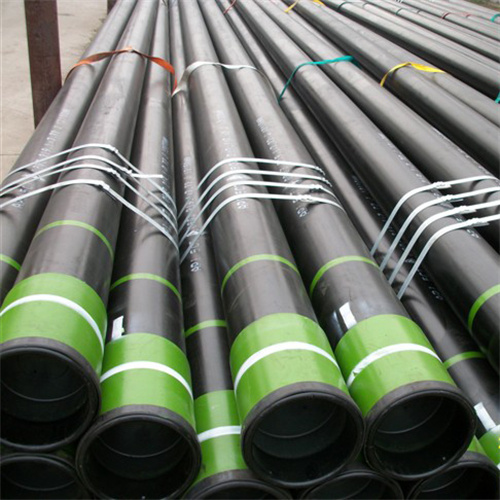
Vibration damping plays a crucial role in the technical environment of oil casing applications. In the Oil and Gas industry, where precision and reliability are paramount, the control of vibrations within oil casings is essential for ensuring operational efficiency and safety. Vibration damping refers to the process of reducing or controlling the oscillations and movements that occur within the casing structure during drilling and extraction processes.
casing in Oil Well drillingOne of the primary reasons why vibration damping is of utmost importance in oil casing applications is its direct impact on the structural integrity of the casing itself. Excessive vibrations can lead to fatigue and stress on the casing Material, potentially causing structural failures that can result in costly downtime and safety hazards. By effectively damping vibrations, operators can prolong the lifespan of the casing and minimize the risk of mechanical failures.
Moreover, vibration damping also plays a significant role in enhancing the overall performance of drilling operations. Uncontrolled vibrations can negatively affect the accuracy and efficiency of drilling processes, leading to deviations from the intended trajectory and reduced drilling speeds. By implementing effective damping solutions, operators can maintain better control over the drilling process, resulting in improved accuracy, faster drilling speeds, and ultimately, higher productivity.
In addition to structural integrity and operational performance, vibration damping in oil casing applications also contributes to environmental and safety considerations. Excessive vibrations not only impact the equipment and infrastructure but can also have environmental consequences, such as ground disturbances and noise pollution. By mitigating vibrations through damping techniques, operators can minimize the environmental footprint of drilling operations and ensure compliance with regulatory standards.
Furthermore, the importance of vibration damping extends beyond the immediate operational benefits. In the context of oil casing applications, where downhole equipment and tools are subjected to harsh and dynamic conditions, effective vibration damping can also enhance the longevity and reliability of the entire drilling system. By reducing the wear and tear caused by vibrations, operators can extend the service life of equipment, reduce Maintenance costs, and improve overall operational efficiency.
Overall, the technical environment of oil casing vibration damping is a critical aspect of modern drilling operations. By understanding the importance of vibration damping in oil casing applications, operators can optimize the performance, safety, and sustainability of their drilling activities. Through the implementation of advanced damping technologies and best practices, the industry can contiNue to push the boundaries of efficiency and reliability in oil and gas exploration and production.
Strategies for Implementing Effective Vibration Damping Solutions in Oil Casing Systems
Oil casing systems play a crucial role in the oil and gas industry, providing structural support and protection for wells. However, these systems are susceptible to vibrations that can lead to equipment failure and safety hazards. Implementing effective vibration damping solutions is essential to ensure the integrity and longevity of oil casing systems.
One key strategy for addressing vibration issues in oil casing systems is the use of damping materials. These materials are designed to absorb and dissipate the energy generated by vibrations, reducing their impact on the casing structure. Common damping materials include rubber, viscoelastic polymers, and composite materials. By strategically placing these materials within the casing system, engineers can effectively mitigate vibrations and enhance system performance.
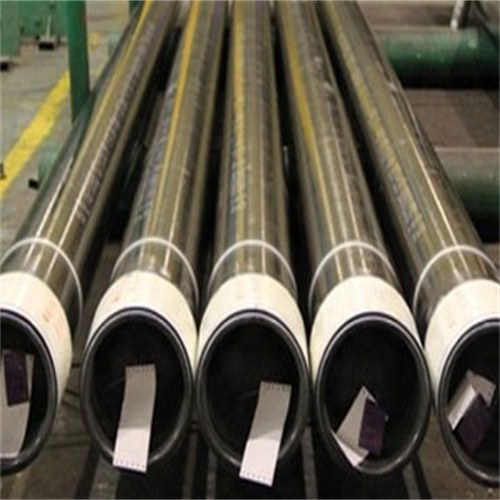
In addition to damping materials, proper design and engineering are critical for implementing effective vibration damping solutions. Engineers must consider factors such as casing geometry, material properties, and operating conditions when designing a damping system. By conducting thorough analysis and simulations, engineers can optimize the damping solution to meet the specific requirements of the oil casing system.
Furthermore, real-time monitoring and feedback mechanisms are essential for ensuring the ongoing effectiveness of vibration damping solutions. By integrating sensors and monitoring devices into the casing system, engineers can continuously assess vibration levels and performance. This data can then be used to make informed adjustments and improvements to the damping system, maximizing its efficiency and reliability.
Collaboration and communication among multidisciplinary teams are also key components of successful vibration damping implementation. Engineers, geologists, and technicians must work together to identify potential vibration sources, assess risks, and develop comprehensive damping strategies. By leveraging the expertise of each team member, oil Companies can implement holistic and effective vibration damping solutions.
Moreover, ongoing research and development in the field of vibration damping technologies are driving innovation and improvement in oil casing systems. Advancements in materials science, sensor technology, and data analytics are enabling engineers to develop more sophisticated and efficient damping solutions. By staying abreast of these developments and incorporating them into their designs, engineers can enhance the performance and reliability of oil casing systems.
In conclusion, implementing effective vibration damping solutions in oil casing systems is essential for ensuring operational efficiency and safety in the oil and gas industry. By utilizing damping materials, optimizing design, monitoring performance, fostering collaboration, and embracing innovation, engineers can mitigate vibration issues and enhance the longevity of oil casing systems. Through a comprehensive and proactive approach to vibration damping, oil companies can safeguard their assets and optimize their operations in the face of dynamic environmental challenges.