اضطرابات سلسلة التوريد
حالة الزيت الأساسية
في الختام، يرتبط تقلب أسعار سوق غلاف النفط ارتباطًا وثيقًا باضطرابات سلسلة التوريد، والتي يمكن أن تنشأ عن التوترات الجيوسياسية، والتحديات اللوجستية، والتقدم التكنولوجي، والظروف الاقتصادية، والتغييرات التنظيمية. يعد فهم هذه العوامل أمرًا بالغ الأهمية لأصحاب المصلحة في قطاع الطاقة، مما يمكنهم من توقع المخاطر المرتبطة بتقلب الأسعار والتخفيف من حدتها. ومن خلال مراقبة التطورات العالمية عن كثب والاستثمار في استراتيجيات سلسلة التوريد المرنة، يمكن للشركات التعامل بشكل أفضل مع تعقيدات سوق غلاف النفط وضمان الاستقرار في مواجهة عدم اليقين.
تقلبات الطلب العالمي
ترتبط سوق أغلفة النفط ارتباطا وثيقا بتقلبات الطلب العالمي، مع تقلب الأسعار استجابة للتفاعل المعقد بين العوامل الاقتصادية والجيوسياسية والتكنولوجية. إن فهم هذه الديناميكيات أمر بالغ الأهمية لأصحاب المصلحة بدءًا من منتجي النفط إلى المستثمرين وصانعي السياسات.
عدم الاستقرار الجيوسياسي
إن سوق أغلفة النفط، وهي عنصر حاسم في البنية التحتية العالمية للطاقة، تتأثر بشدة بالعديد من العوامل، حيث يبرز عدم الاستقرار الجيوسياسي كمحرك مهم لتقلبات الأسعار. تؤثر الأحداث الجيوسياسية في جميع أنحاء العالم بشكل كبير على أسعار النفط، مما يؤثر على كل من سلاسل التوريد وثقة المستثمرين.
إحدى الطرق الرئيسية التي يؤثر بها عدم الاستقرار الجيوسياسي على سوق غلاف النفط هي من خلال تأثيره على المناطق المنتجة للنفط. المناطق المعرضة للاضطرابات السياسية أو الصراعات، مثل الشرق الأوسط أو أجزاء معينة من أفريقيا، غالبا ما تعاني من اضطرابات في إنتاج النفط وتوزيعه. يمكن أن تؤدي هذه الاضطرابات إلى نقص العرض أو عدم اليقين، مما يؤدي إلى تقلبات في الطلب على أغلفة النفط بينما يواجه المنتجون مخاطر جيوسياسية.
علاوة على ذلك، يمكن أن تتصاعد التوترات السياسية بين الدول الرئيسية المنتجة للنفط إلى نزاعات تجارية أو حظر، مما يزيد من تعقيد ديناميكيات العرض في العالم. سوق النفط. على سبيل المثال، يمكن للعقوبات المفروضة على الدول المنتجة للنفط أن تحد من قدرتها على تصدير النفط الخام، مما يؤثر على الطلب الإجمالي على أغلفة النفط المستخدمة في أنشطة الحفر والاستخراج.
وتلعب معنويات المستثمرين أيضًا دورًا حاسمًا في الاستجابة لعدم الاستقرار الجيوسياسي. يمكن أن تؤدي المناخات السياسية غير المؤكدة إلى تقلبات في الأسواق المالية، بما في ذلك السلع مثل النفط والمنتجات ذات الصلة مثل أغلفة النفط. قد يتفاعل المستثمرون مع الأحداث الجيوسياسية من خلال تعديل استراتيجياتهم الاستثمارية، مما يؤدي إلى تقلبات في أسعار أغلفة النفط مع تغير معنويات السوق.
علاوة على ذلك، يمكن أن يؤثر عدم الاستقرار الجيوسياسي على آفاق النمو الاقتصادي العالمي، مما يؤثر على الطلب الإجمالي على النفط وبالتالي يؤثر على سوق أغلفة النفط. . يمكن للانكماش الاقتصادي الناجم عن التوترات الجيوسياسية أن يقلل من النشاط الصناعي واستهلاك الطاقة، وبالتالي يقلل الطلب على أغلفة النفط المستخدمة في مشاريع الحفر الجديدة أو صيانة الآبار الحالية.
إن الأهمية الاستراتيجية للنفط كمصدر للطاقة تزيد من تأثير عدم الاستقرار الجيوسياسي. على أسعار غلاف النفط. قد تواجه الدول التي تعتمد بشكل كبير على واردات النفط تكاليف متزايدة أو انقطاع في الإمدادات خلال فترات الاضطرابات الجيوسياسية، مما يؤثر على أمن الطاقة والاستقرار الاقتصادي. ويؤكد هذا الاعتماد المتبادل على الطبيعة المترابطة لأسواق الطاقة العالمية والأحداث الجيوسياسية.
ولذلك فإن تقييمات المخاطر الجيوسياسية جزء لا يتجزأ من فهم التقلبات في سوق أغلفة النفط والتنبؤ بها. يقوم المحللون وخبراء الصناعة بمراقبة التطورات الجيوسياسية عن كثب، وتقييم آثارها المحتملة على إنتاج النفط وتوزيعه وديناميكيات السوق. من خلال تحديد النقاط الجيوسياسية الساخنة وتقييم تأثيرها على المناطق الرئيسية المنتجة للنفط، يمكن لأصحاب المصلحة توقع التغيرات في أسعار أغلفة النفط والاستجابة لها بشكل أفضل.
في الختام، بينما يتأثر سوق أغلفة النفط بعوامل مختلفة، بما في ذلك التقدم التكنولوجي والطلب في السوق ومع ذلك، يبرز عدم الاستقرار الجيوسياسي باعتباره عاملاً محوريًا في تحديد تقلبات الأسعار. من انقطاع الإمدادات في المناطق المعرضة للصراعات إلى التحولات في معنويات المستثمرين والآثار الاقتصادية العالمية، تشكل الأحداث الجيوسياسية مشهد سوق غلاف النفط. على هذا النحو، يجب على أصحاب المصلحة في قطاع الطاقة أن يظلوا يقظين في مراقبة التطورات الجيوسياسية للتغلب على حالات عدم اليقين وتخفيف المخاطر بشكل فعال.
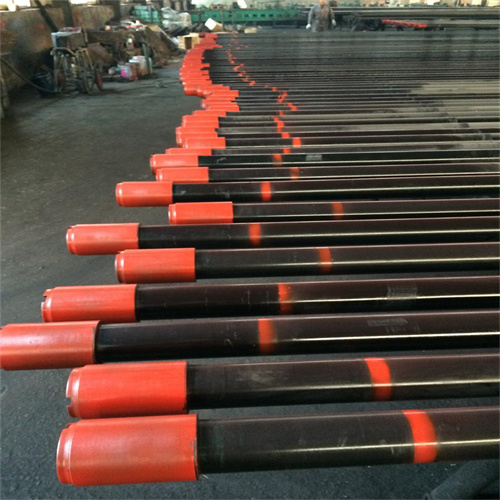
At the heart of Oil Casing market dynamics is the concept of global demand for oil. As one of the primary components in oil extraction and production, oil casing demand is directly influenced by changes in global oil consumption. When global economies expand, driving up energy demands, the need for oil casing rises as well. Conversely, during economic downturns or shifts towards renewable energy sources, oil consumption may decrease, dampening the demand for new Oil Wells and, consequently, oil casing.
Geopolitical factors also play a significant role in oil casing market fluctuations. Political instability in major oil-producing regions can disrupt supply chains and affect production volumes, leading to uncertainty in the market. Events such as geopolitical tensions, sanctions, or conflicts can cause sudden spikes or drops in oil Prices, impacting the economics of oil exploration and production, including the demand for oil casing.
Technological advancements in drilling techniques and oil extraction technologies also influence the oil casing market. innovations that improve the efficiency of oil extraction, such as horizontal drilling or hydraulic fracturing (fracking), can alter the demand patterns for oil casing. These technologies can open up new oil reserves or enhance production rates from existing wells, thereby increasing the demand for casing that can withstand higher pressures and temperatures.
Moreover, environmental regulations and policies aimed at reducing carbon emissions and promoting sustainable energy sources are increasingly sh APIng the oil industry landscape. Shifts towards cleaner energy alternatives, such as solar, wind, and electric vehicles, are impacting long-term projections for oil demand. This transition influences investment decisions in the oil sector, affecting the demand for infrastructure like oil casing.
Market sentiment and investor behavior also contribute to price fluctuations in the oil casing market. Speculative trading, macroeconomic trends, and investor confidence in global economic stability all influence the pricing of commodities like oil and, consequently, oil casing. Perceptions of future oil supply and demand dynamics, as well as expectations regarding economic growth, play crucial roles in determining investment flows into the oil sector.
In addition to these external factors, internal industry dynamics such as production capacity, inventory levels, and operational efficiencies within oil Companies and service providers also impact the oil casing market. Adjustments in supply chain management, technological upgrades, and workforce capabilities can affect the cost structure and pricing strategies within the industry, influencing market prices for oil casing.
In conclusion, the fluctuation of oil casing market prices is a multifaceted phenomenon driven by global demand variations, geopolitical developments, technological innovations, regulatory frameworks, and market dynamics. Stakeholders navigating this complex landscape must consider a broad range of factors to anticipate and respond to price movements effectively. As the global energy landscape contiNues to evolve, understanding these interconnected forces will be essential for informed decision-making and strategic planning within the oil casing industry.
Geopolitical Instability
The oil casing market, a crucial component of the global energy infrastructure, is deeply influenced by a multitude of factors, with geopolitical instability standing out as a significant driver of price fluctuations. Geopolitical events across the world wield substantial influence over oil prices, impacting both supply chains and investor confidence.
One of the primary ways in which geopolitical instability affects the oil casing market is through its impact on oil-producing regions. Regions prone to political unrest or conflict, such as the Middle East or certain parts of Africa, often experience disruptions in oil production and distribution. These disruptions can lead to supply shortages or uncertainties, prompting fluctuations in the demand for oil casings as producers navigate geopolitical risks.
Furthermore, political tensions between major oil-producing nations can escalate into trade disputes or embargoes, further complicating the supply dynamics of the oil market. For instance, sanctions imposed on oil-producing countries can restrict their ability to export crude oil, affecting the overall demand for oil casings used in drilling and extraction activities.
Investor sentiment also plays a crucial role in responding to geopolitical instability. Uncertain political climates can lead to volatility in financial markets, including commodities like oil and related products such as oil casings. Investors may react to geopolitical events by adjusting their investment strategies, leading to fluctuations in oil casing Prices as market sentiments shift.
Moreover, geopolitical instability can affect global economic growth prospects, influencing the overall demand for oil and thereby impacting the oil casing market. Economic downturns triggered by geopolitical tensions can reduce industrial activity and energy consumption, thereby lowering the demand for oil casings used in new drilling projects or Maintenance of existing wells.
The strategic importance of oil as an energy source further amplifies the impact of geopolitical instability on oil casing prices. Nations heavily dependent on oil imports may face increased costs or supply disruptions during periods of geopolitical turmoil, affecting their energy security and economic stability. This interdependence underscores the interconnected nature of global energy markets and geopolitical events.
Geopolitical risk assessments are therefore integral to understanding and predicting fluctuations in the oil casing market. Analysts and industry experts closely monitor geopolitical developments, assessing their potential implications for oil production, distribution, and market dynamics. By identifying geopolitical hotspots and evaluating their impact on key oil-producing regions, stakeholders can better anticipate and respond to changes in oil casing prices.
In conclusion, while the oil casing market is influenced by various factors, including technological advancements and market demand, geopolitical instability stands out as a pivotal determinant of price fluctuations. From supply disruptions in conflict-prone regions to shifts in investor sentiment and global economic implications, geopolitical events shape the landscape of the oil casing market. As such, stakeholders in the energy sector must remain vigilant in monitoring geopolitical developments to navigate uncertainties and mitigate risks effectively.