مواد وطلاءات متقدمة لتعزيز المتانة في تصميم غلاف الزيت
في عالم تصميم أغلفة الزيت، يعد السعي وراء تعزيز المتانة وطول العمر بمثابة مسعى دائم التطور. باعتباره العمود الفقري لآبار النفط، يلعب الغلاف دورًا حاسمًا في ضمان سلامة وكفاءة العمليات في صناعة النفط والغاز. فتحت التطورات الحديثة في علوم المواد والطلاءات إمكانيات جديدة لإطالة عمر خدمة أغلفة النفط، مما يعد بقدر أكبر من الموثوقية والفعالية من حيث التكلفة في عمليات الحفر.
تقليديا، كانت أغلفة النفط مصنوعة في الغالب من الفولاذ الكربوني بسبب قوته و القدرة على تحمل التكاليف. ومع ذلك، فإن الظروف القاسية داخل آبار النفط، بما في ذلك الضغوط العالية، والسوائل المسببة للتآكل، والمواد الكاشطة، تعرض الأغلفة للتآكل والتدهور بشكل كبير بمرور الوقت. وقد حفز هذا إجراء أبحاث مكثفة حول مواد وطلاءات بديلة يمكنها تحمل هذه التحديات بشكل أفضل.
يركز أحد السبل الواعدة للبحث على السبائك المتقدمة التي توفر مقاومة فائقة للتآكل وقوة ميكانيكية مقارنة بالفولاذ الكربوني التقليدي. على سبيل المثال، تُظهر السبائك القائمة على النيكل أداءً ممتازًا في البيئات المسببة للتآكل، مما يجعلها مرشحة مثالية لتطبيقات أغلفة النفط حيث يكون طول العمر أمرًا بالغ الأهمية. لا تقاوم هذه السبائك التآكل فحسب، بل تحافظ أيضًا على سلامتها الهيكلية تحت الضغوط الشديدة، وبالتالي تقليل تكرار استبدال الغلاف ووقت التوقف عن العمل في عمليات الحفر.
بالإضافة إلى التطورات المادية، ظهرت الطلاءات المبتكرة كأداة حاسمة في تعزيز متانة أغلفة النفط. أظهرت الطلاءات النانوية، التي تدمج الجسيمات النانوية في مصفوفات البوليمر، تحسينات ملحوظة في مقاومة التآكل والثبات الكيميائي. ومن خلال تطبيق هذه الطلاءات على الأغلفة، يمكن للمشغلين تخفيف التآكل، وتقليل خسائر الاحتكاك أثناء الحفر، وإطالة العمر التشغيلي للآبار. وهذا لا يعزز الجدوى الاقتصادية لاستخراج النفط فحسب، بل يعزز أيضًا الاستدامة البيئية عن طريق تقليل الحاجة إلى استبدال أغلفة النفط بشكل متكرر.
علاوة على ذلك، يمثل دمج التقنيات الذكية في تصميم أغلفة النفط حدودًا في تعزيز الكفاءة والموثوقية التشغيلية. يمكن لأجهزة الاستشعار المدمجة داخل الأغلفة توفير بيانات في الوقت الفعلي عن درجة الحرارة والضغط والسلامة الهيكلية، مما يسمح للمشغلين بمعالجة المشكلات المحتملة بشكل استباقي قبل تفاقمها. هذا النهج الاستباقي لا يقلل من تكاليف الصيانة فحسب، بل يعزز أيضًا السلامة والامتثال التنظيمي في أنشطة التنقيب عن النفط وإنتاجه.
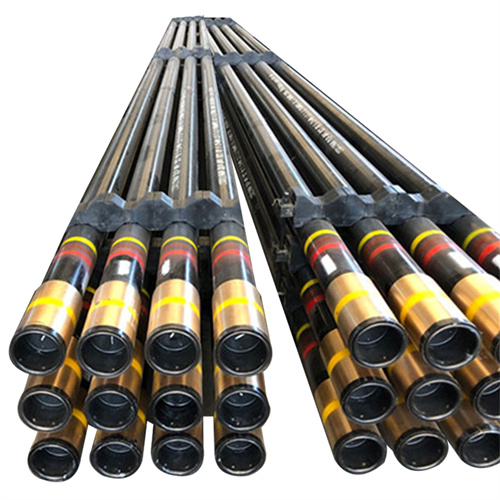 خط أنابيب النفط
التكوينات الهندسية المبتكرة لتحسين السلامة الهيكلية في أغلفة النفط
هناك اتجاه مبتكر آخر في تصميم غلاف النفط يدور حول استخدام الأشكال الهندسية المستوحاة من الفراكتل. تُظهر الأنماط الكسورية، المستوحاة من الهياكل الفعالة للطبيعة، تشابهًا ذاتيًا عبر مستويات مختلفة، مما يوفر مزايا محتملة في تعزيز المرونة الهيكلية والكفاءة. هذه الأشكال الهندسية المعقدة، عند تطبيقها على أغلفة النفط، تقدم طرقًا جديدة لتحسين استخدام المواد والأداء الميكانيكي. من خلال تفرع سطح الغلاف بشكل كسري، يمكن للمهندسين تحقيق نسبة أعلى من مساحة السطح إلى الحجم، مما يعزز تبديد الحرارة وخصائص تدفق السوائل داخل حفرة البئر، وهو أمر بالغ الأهمية لتحسين كفاءة الإنتاج والإدارة الحرارية.
بالإضافة إلى هذه الابتكارات الهندسية، أحدثت التطورات في تقنيات التصنيع، مثل التصنيع الإضافي (الطباعة ثلاثية الأبعاد)، ثورة في جدوى إنتاج هياكل هندسية معقدة بدقة وفعالية من حيث التكلفة. تفتح هذه القدرة الأبواب أمام تخصيص أغلفة النفط وفقًا لظروف حفرة البئر المحددة والمتطلبات التشغيلية، مما يزيد من تعزيز أدائها العام وطول عمرها.
مع تكثيف البحث عن حلول الطاقة المستدامة، يصبح دور التصميمات المبتكرة لأغلفة النفط محوريًا بشكل متزايد. ومن خلال تبني التكوينات الهندسية التي تعمل على تحسين السلامة الهيكلية وطول العمر، فإن صناعة النفط والغاز لا تعزز الموثوقية التشغيلية فحسب، بل تساهم أيضًا في تقليل التأثيرات البيئية. تؤكد هذه التطورات على تحول نموذجي نحو بنية تحتية أكثر مرونة وكفاءة، مما يضع معيارًا جديدًا لمستقبل تكنولوجيا أغلفة النفط.
In the realm of Oil extraction and production, the integrity and longevity of Oil Casings play a pivotal role. These casings, crucial for maintaining wellbore stability and safeguarding the environment, are constantly subjected to demanding conditions, including high pressures, corrosive fluids, and mechanical stresses. Engineers and researchers have long sought innovative solutions to enhance the performance and longevity of oil casings, thereby ensuring safer and more efficient operations in the Oil and Gas industry.
Recent advancements in Materials science and engineering have sparked renewed interest in exploring geometric configurations as a means to optimize the structural integrity of oil casings. Traditional designs, while effective, often face limitations in terms of stress distribution and resistance to corrosion over extended periods. Enterprising engineers have begun to experiment with novel geometric shapes and configurations that promise to mitigate these challenges and extend the service life of oil casings significantly.
One promising approach involves the adoption of helical or spiral configurations in the design of oil casings. By incorporating a helical pattern along the Length of the casing, engineers can achieve several structural advantages. Firstly, the helical design enhances load-bearing capacity by distributing stresses more evenly across the surface area. This distributed load absorption minimizes localized stress concentrations, which are notorious for accelerating material fatigue and failure. Moreover, the spiral geometry inherently improves the casing’s ability to withstand external pressures and geological movements, crucial factors in maintaining wellbore stability in diverse subsurface conditions.
Furthermore, researchers have explored the integration of advanced composite materials into these novel geometric configurations. Composites, known for their exceptional strength-to-Weight ratio and Corrosion resistance, complement the geometric enhancements by providing additional layers of protection against chemical degradation and mechanical wear. By strategically aligning the properties of these materials with the geometric demands of helical designs, engineers can create oil casings that not only withstand the harsh operating environments but also require less frequent Maintenance and replacement, thereby reducing operational costs and environmental footprint.
Another innovative direction in oil casing design revolves around the use of fractal-inspired geometries. Inspired by nature’s efficient structures, fractal patterns exhibit self-similarity across different scales, offering potential advantages in enhancing structural resilience and efficiency. These intricate geometries, when applied to oil casings, introduce new aveNues for optimizing material usage and mechanical performance. By fractally branching the casing’s surface, engineers can achieve a higher surface area-to-volume ratio, which enhances heat dissipation and fluid flow characteristics within the wellbore, crucial for optimizing production efficiency and thermal management.
In addition to these geometric innovations, advancements in manufacturing technologies, such as additive manufacturing (3D printing), have revolutionized the feasibility of producing complex geometric structures with precision and cost-efficiency. This capability opens doors to customizing oil casings according to specific wellbore conditions and operational requirements, further enhancing their overall performance and longevity.
As the quest for sustainable energy solutions intensifies, the role of innovative oil casing designs becomes increasingly pivotal. By embracing geometric configurations that optimize structural integrity and longevity, the oil and gas industry not only enhances operational reliability but also contributes to minimizing environmental impacts. These advancements underscore a paradigm shift towards more resilient and efficient infrastructure, setting a new standard for the future of oil casing technology.