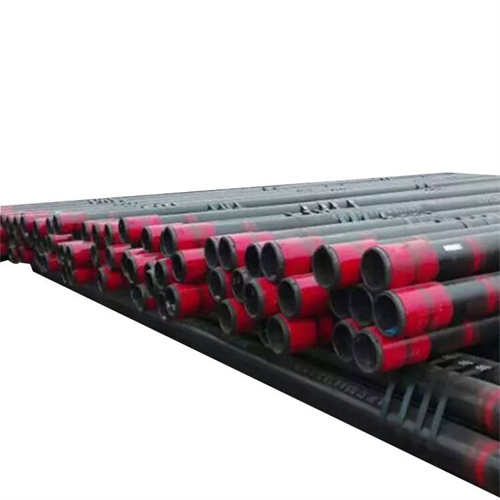
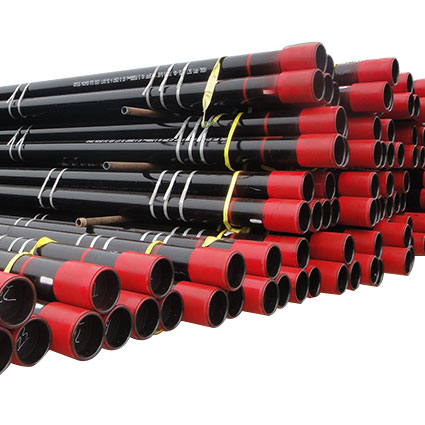
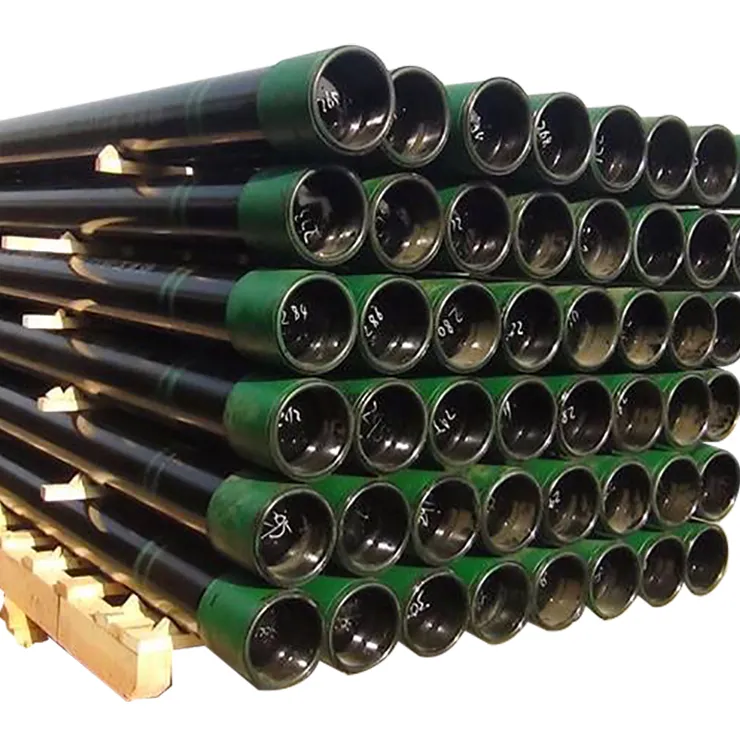
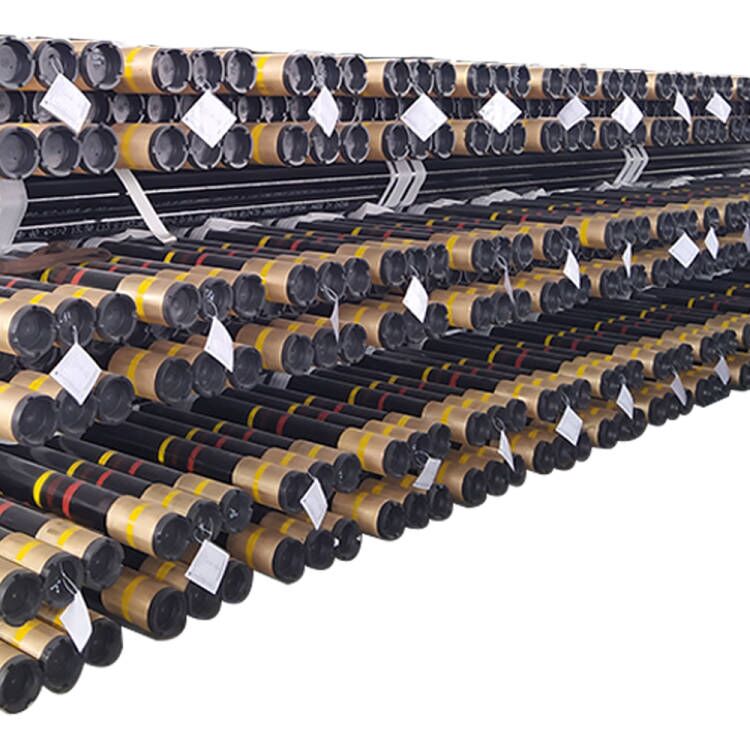
Matériaux et revêtements avancés pour une durabilité améliorée dans la conception des boîtiers d’huile
Oléoduc
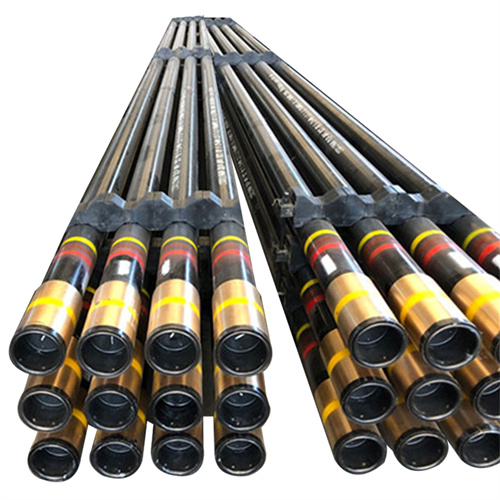 Configurations géométriques innovantes pour optimiser l’intégrité structurelle des cuvelages pétroliers
Une autre direction innovante dans la conception des boîtiers pétroliers tourne autour de l’utilisation de géométries d’inspiration fractale. Inspirés par les structures efficaces de la nature, les modèles fractals présentent une autosimilarité à différentes échelles, offrant des avantages potentiels pour améliorer la résilience et l’efficacité structurelles. Ces géométries complexes, lorsqu’elles sont appliquées aux carters pétroliers, ouvrent de nouvelles voies pour optimiser l’utilisation des matériaux et les performances mécaniques. En ramifiant de manière fractale la surface du boîtier, les ingénieurs peuvent obtenir un rapport surface/volume plus élevé, ce qui améliore les caractéristiques de dissipation thermique et d’écoulement des fluides dans le puits de forage, essentielles pour optimiser l’efficacité de la production et la gestion thermique.
En plus de ces innovations géométriques, les progrès des technologies de fabrication, telles que la fabrication additive (impression 3D), ont révolutionné la faisabilité de produire des structures géométriques complexes avec précision et rentabilité. Cette capacité ouvre la porte à la personnalisation des tubages pétroliers en fonction des conditions spécifiques du puits de forage et des exigences opérationnelles, améliorant ainsi leurs performances globales et leur longévité.
À mesure que la recherche de solutions énergétiques durables s’intensifie, le rôle des conceptions innovantes de tubages pétroliers devient de plus en plus crucial. En adoptant des configurations géométriques qui optimisent l’intégrité structurelle et la longévité, l’industrie pétrolière et gazière améliore non seulement la fiabilité opérationnelle, mais contribue également à minimiser les impacts environnementaux. Ces avancées soulignent un changement de paradigme vers une infrastructure plus résiliente et plus efficace, établissant une nouvelle norme pour l’avenir de la technologie des cuvelages pétroliers.
Innovative Geometric Configurations to Optimize Structural Integrity in Oil Casing
In the realm of oil extraction and production, the integrity and longevity of oil casings play a pivotal role. These casings, crucial for maintaining wellbore stability and safeguarding the environment, are constantly subjected to demanding conditions, including high pressures, corrosive fluids, and mechanical stresses. Engineers and researchers have long sought innovative solutions to enhance the performance and longevity of oil casings, thereby ensuring safer and more efficient operations in the Oil and Gas industry.
Recent advancements in Materials science and engineering have sparked renewed interest in exploring geometric configurations as a means to optimize the structural integrity of oil casings. Traditional designs, while effective, often face limitations in terms of stress distribution and resistance to corrosion over extended periods. Enterprising engineers have begun to experiment with novel geometric shapes and configurations that promise to mitigate these challenges and extend the service life of oil casings significantly.
One promising approach involves the adoption of helical or spiral configurations in the design of oil casings. By incorporating a helical pattern along the Length of the casing, engineers can achieve several structural advantages. Firstly, the helical design enhances load-bearing capacity by distributing stresses more evenly across the surface area. This distributed load absorption minimizes localized stress concentrations, which are notorious for accelerating material fatigue and failure. Moreover, the spiral geometry inherently improves the casing’s ability to withstand external pressures and geological movements, crucial factors in maintaining wellbore stability in diverse subsurface conditions.
Furthermore, researchers have explored the integration of advanced composite materials into these novel geometric configurations. Composites, known for their exceptional strength-to-Weight ratio and Corrosion resistance, complement the geometric enhancements by providing additional layers of protection against chemical degradation and mechanical wear. By strategically aligning the properties of these materials with the geometric demands of helical designs, engineers can create oil casings that not only withstand the harsh operating environments but also require less frequent Maintenance and replacement, thereby reducing operational costs and environmental footprint.
Another innovative direction in oil casing design revolves around the use of fractal-inspired geometries. Inspired by nature’s efficient structures, fractal patterns exhibit self-similarity across different scales, offering potential advantages in enhancing structural resilience and efficiency. These intricate geometries, when applied to oil casings, introduce new aveNues for optimizing material usage and mechanical performance. By fractally branching the casing’s surface, engineers can achieve a higher surface area-to-volume ratio, which enhances heat dissipation and fluid flow characteristics within the wellbore, crucial for optimizing production efficiency and thermal management.
In addition to these geometric innovations, advancements in manufacturing technologies, such as additive manufacturing (3D printing), have revolutionized the feasibility of producing complex geometric structures with precision and cost-efficiency. This capability opens doors to customizing oil casings according to specific wellbore conditions and operational requirements, further enhancing their overall performance and longevity.
As the quest for sustainable energy solutions intensifies, the role of innovative oil casing designs becomes increasingly pivotal. By embracing geometric configurations that optimize structural integrity and longevity, the oil and gas industry not only enhances operational reliability but also contributes to minimizing environmental impacts. These advancements underscore a paradigm shift towards more resilient and efficient infrastructure, setting a new standard for the future of oil casing technology.