Nyenzo na Mipako ya Kina kwa Uimara Ulioimarishwa katika Muundo wa Mfuko wa Mafuta
Bomba la Mafuta
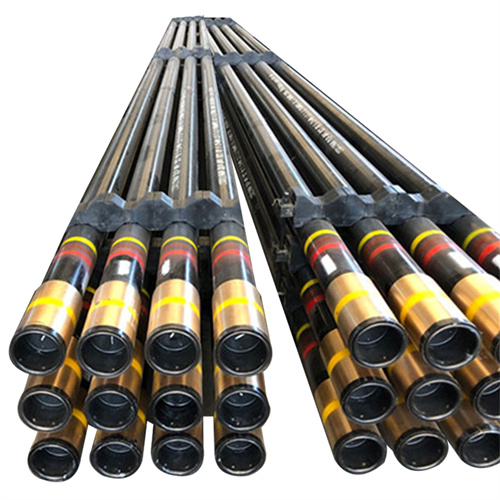 Kuangalia mbele, ushirikiano unaoendelea kati ya wanasayansi wa nyenzo, wahandisi, na wadau wa tasnia itakuwa muhimu katika kuendeleza ubunifu zaidi katika muundo wa kabati la mafuta. Jitihada za utafiti zinazidi kulenga kutengeneza nyenzo zenye kazi nyingi ambazo huchanganya sifa za kimitambo zilizoimarishwa na ustahimilivu wa mazingira. Mtazamo huu wa jumla haushughulikii tu changamoto za sasa lakini pia unatarajia mahitaji ya siku za usoni yakiendeshwa na kubadilika kwa mbinu za uchimbaji na viwango vya udhibiti.
Kwa kumalizia, ufuatiliaji wa maisha marefu ya huduma katika muundo wa kabati la mafuta ni uga unaobadilika unaobainishwa na uvumbuzi endelevu wa nyenzo, mipako, na teknolojia mahiri. Maendeleo haya sio tu yanaimarisha uaminifu na ufanisi wa uchimbaji wa mafuta lakini pia yanaambatana na malengo mapana ya uendelevu. Kwa kukumbatia uwezekano huu mpya, sekta ya mafuta na gesi inaweza kuelekea katika siku zijazo ambapo uimara, utendakazi, na usimamizi wa mazingira hukutana bila mshono katika muundo wa kabati la mafuta.
Usanidi Ubunifu wa Kijiometri ili Kuboresha Uadilifu wa Kimuundo katika Mfuko wa Mafuta
Mwelekeo mwingine wa kiubunifu katika muundo wa kabati la mafuta unahusu matumizi ya jiometri iliyoongozwa na fractal. Ikihamasishwa na miundo bora ya asili, mifumo ya fractal huonyesha kujifananisha katika mizani tofauti, ikitoa faida zinazoweza kutokea katika kuimarisha uthabiti na ufanisi wa muundo. Jiometri hizi tata, zinapotumika kwenye kabati za mafuta, huanzisha njia mpya za kuboresha matumizi ya nyenzo na utendakazi wa kimitambo. Kwa kugawanya uso wa kizio kidogo, wahandisi wanaweza kufikia uwiano wa juu wa eneo-kwa-kiasi, ambao huongeza utengano wa joto na sifa za mtiririko wa maji ndani ya kisima, muhimu kwa ajili ya kuboresha ufanisi wa uzalishaji na udhibiti wa joto.
Mbali na ubunifu huu wa kijiometri, maendeleo katika teknolojia ya utengenezaji, kama vile utengenezaji wa nyongeza (uch APIshaji wa 3D), yamebadilisha uwezekano wa kutoa miundo changamano ya kijiometri kwa usahihi na kwa gharama nafuu. Uwezo huu hufungua milango ya kubinafsisha makasha ya mafuta kulingana na hali mahususi za visima na mahitaji ya uendeshaji, na kuimarisha zaidi utendakazi wao kwa ujumla na maisha marefu.
Kadiri jitihada za suluhu za nishati endelevu zinavyozidi kuongezeka, jukumu la miundo bunifu ya kabati la mafuta linazidi kuwa muhimu. Kwa kukumbatia usanidi wa kijiometri unaoboresha uadilifu wa muundo na maisha marefu, tasnia ya mafuta na gesi sio tu inaboresha utegemezi wa utendaji kazi lakini pia huchangia kupunguza athari za mazingira. Maendeleo haya yanasisitiza mabadiliko ya dhana kuelekea miundombinu thabiti na yenye ufanisi zaidi, kuweka kiwango kipya kwa siku zijazo za teknolojia ya uwekaji mafuta.
In the realm of Oil extraction and production, the integrity and longevity of Oil Casings play a pivotal role. These casings, crucial for maintaining wellbore stability and safeguarding the environment, are constantly subjected to demanding conditions, including high pressures, corrosive fluids, and mechanical stresses. Engineers and researchers have long sought innovative solutions to enhance the performance and longevity of oil casings, thereby ensuring safer and more efficient operations in the Oil and Gas industry.
Recent advancements in Materials science and engineering have sparked renewed interest in exploring geometric configurations as a means to optimize the structural integrity of oil casings. Traditional designs, while effective, often face limitations in terms of stress distribution and resistance to corrosion over extended periods. Enterprising engineers have begun to experiment with novel geometric shapes and configurations that promise to mitigate these challenges and extend the service life of oil casings significantly.
One promising approach involves the adoption of helical or spiral configurations in the design of oil casings. By incorporating a helical pattern along the Length of the casing, engineers can achieve several structural advantages. Firstly, the helical design enhances load-bearing capacity by distributing stresses more evenly across the surface area. This distributed load absorption minimizes localized stress concentrations, which are notorious for accelerating material fatigue and failure. Moreover, the spiral geometry inherently improves the casing’s ability to withstand external pressures and geological movements, crucial factors in maintaining wellbore stability in diverse subsurface conditions.
Furthermore, researchers have explored the integration of advanced composite materials into these novel geometric configurations. Composites, known for their exceptional strength-to-Weight ratio and Corrosion resistance, complement the geometric enhancements by providing additional layers of protection against chemical degradation and mechanical wear. By strategically aligning the properties of these materials with the geometric demands of helical designs, engineers can create oil casings that not only withstand the harsh operating environments but also require less frequent Maintenance and replacement, thereby reducing operational costs and environmental footprint.
Another innovative direction in oil casing design revolves around the use of fractal-inspired geometries. Inspired by nature’s efficient structures, fractal patterns exhibit self-similarity across different scales, offering potential advantages in enhancing structural resilience and efficiency. These intricate geometries, when applied to oil casings, introduce new aveNues for optimizing material usage and mechanical performance. By fractally branching the casing’s surface, engineers can achieve a higher surface area-to-volume ratio, which enhances heat dissipation and fluid flow characteristics within the wellbore, crucial for optimizing production efficiency and thermal management.
In addition to these geometric innovations, advancements in manufacturing technologies, such as additive manufacturing (3D printing), have revolutionized the feasibility of producing complex geometric structures with precision and cost-efficiency. This capability opens doors to customizing oil casings according to specific wellbore conditions and operational requirements, further enhancing their overall performance and longevity.
As the quest for sustainable energy solutions intensifies, the role of innovative oil casing designs becomes increasingly pivotal. By embracing geometric configurations that optimize structural integrity and longevity, the oil and gas industry not only enhances operational reliability but also contributes to minimizing environmental impacts. These advancements underscore a paradigm shift towards more resilient and efficient infrastructure, setting a new standard for the future of oil casing technology.