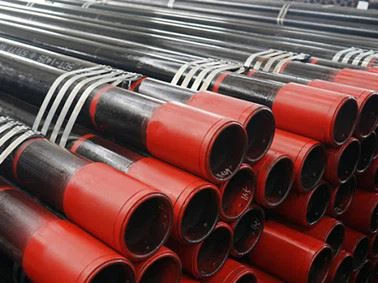
تحليل دور السياسات في ضمان ممارسات العمل العادلة في صناعة أغلفة النفط
موردي الأنابيب octg
علاوة على ذلك، تعد السياسات التي تعالج التمييز والتحرش أمرًا حيويًا لخلق بيئة عمل محترمة وشاملة. تساعد سياسات مكافحة التمييز على منع المعاملة غير العادلة على أساس عوامل مثل العرق أو الجنس أو الدين، مما يعزز التنوع والمساواة داخل الصناعة. وبالمثل، فإن السياسات التي تحظر التحرش والتسلط تساهم في خلق ثقافة إيجابية في مكان العمل حيث يشعر جميع الموظفين بالتقدير والاحترام.
بالإضافة إلى السياسات الداخلية داخل الشركات، تلعب اللوائح الحكومية أيضًا دورًا مهمًا في ضمان ممارسات العمل العادلة في صناعة أغلفة النفط. تشرف الهيئات التنظيمية على الالتزام بقوانين العمل وتحاسب الشركات على أي انتهاكات. ومن خلال فرض العقوبات على عدم الامتثال وإجراء عمليات تفتيش منتظمة، تساعد الجهات التنظيمية في الحفاظ على تكافؤ الفرص وحماية حقوق العمال.
إن الشفافية والمساءلة عنصران أساسيان في التنفيذ الفعال للسياسات. يجب أن تكون الشركات العاملة في صناعة أغلفة النفط شفافة بشأن ممارساتها العمالية وأن توفر آليات للموظفين للإبلاغ عن أي مخاوف أو تظلمات. من خلال تعزيز ثقافة الانفتاح والمساءلة، يمكن للمؤسسات معالجة القضايا على الفور ومنع الانتهاكات المحتملة لمعايير العمل.
في الختام، يكشف تحليل دور السياسات في ضمان ممارسات العمل العادلة في صناعة أغلفة النفط عن أهمية وجود لوائح شاملة وقابلة للتنفيذ. تساهم السياسات المتعلقة بالأجور وظروف العمل والصحة والسلامة والتمييز والرقابة الحكومية في خلق بيئة عمل عادلة وأخلاقية. ومن خلال دعم هذه السياسات وتعزيز ثقافة الاحترام والمساءلة، يمكن للصناعة حماية حقوق ورفاهية القوى العاملة لديها.
Furthermore, policies that address discrimination and harassment are vital for creating a respectful and inclusive work environment. Anti-discrimination policies help prevent unfair treatment based on factors such as race, gender, or religion, promoting diversity and equality within the industry. Similarly, policies that prohibit harassment and bullying contribute to a positive workplace culture where all employees feel valued and respected.
 In addition to internal policies within Companies, government regulations also play a significant role in ensuring fair labor practices in the Oil Casing industry. Regulatory bodies oversee compliance with labor laws and hold companies accountable for any violations. By enforcing penalties for non-compliance and conducting regular inspections, regulators help maintain a level playing field and protect the rights of workers.
Transparency and accountability are essential components of effective policy implementation. Companies in the oil casing industry should be transparent about their labor practices and provide mechanisms for employees to report any concerns or grievances. By fostering a culture of openness and accountability, organizations can address issues promptly and prevent potential violations of labor standards.
In conclusion, analyzing the policy role in ensuring fair labor practices in the oil casing industry reveals the importance of comprehensive and enforceable regulations. Policies related to wages, working conditions, health and safety, discrimination, and government oversight all contribute to creating a fair and ethical workplace environment. By upholding these policies and promoting a culture of respect and accountability, the industry can protect the rights and well-being of its workforce.