オイルケーシング業界における公正な労働慣行を確保する上での政策の役割を分析することは、倫理基準を維持し、労働者の権利を保護するために重要です。ポリシーは、この業界における従業員の労働条件と待遇を形成する上で重要な役割を果たします。労働慣行を管理する政策を調べることで、職場の公平性と公平性を促進するメカニズムについて洞察を得ることができます。
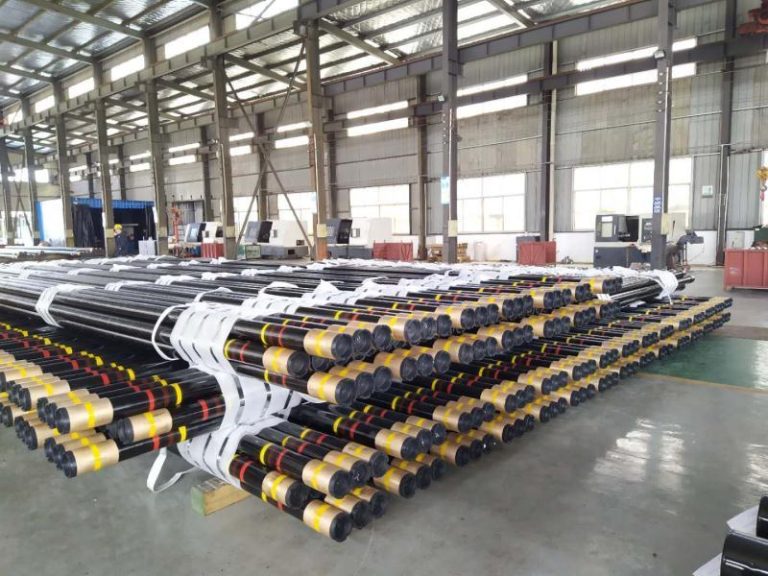
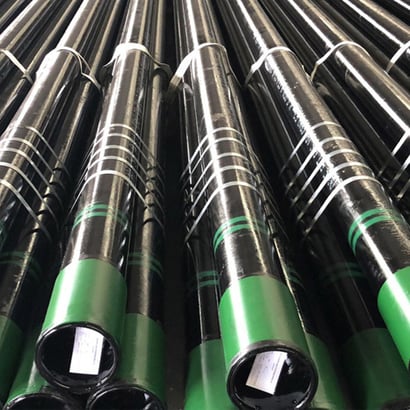
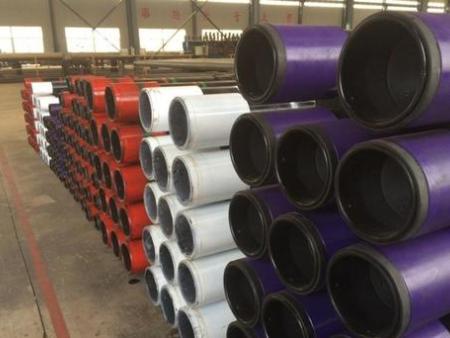
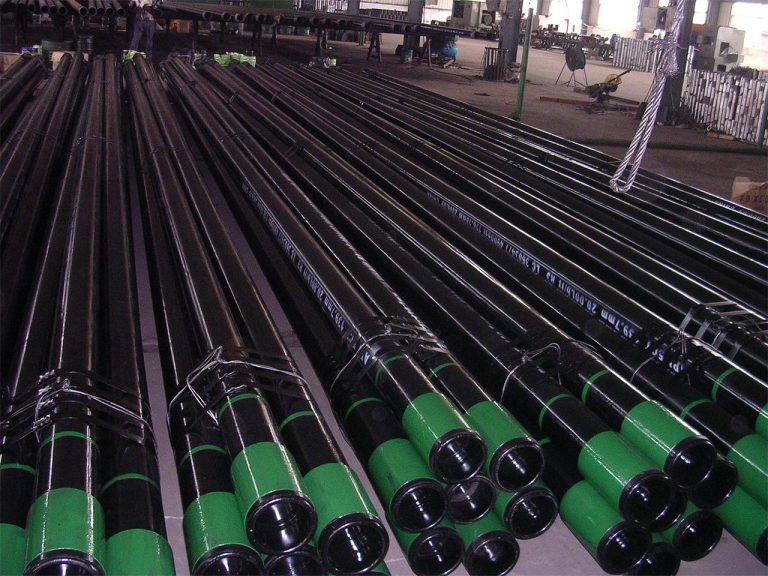
octg パイプ サプライヤー
オイルケーシング業界における政策分析の重要な側面の 1 つは、最低賃金基準の確立です。最低賃金水準を設定することで、労働者がその労働に対して公正に報酬を得ることが保証され、搾取の防止に役立ちます。さらに、労働時間と時間外規制に関するポリシーは、従業員の健康を守り、燃え尽き症候群や健康問題につながる可能性のある過度の労働時間を防ぐために不可欠です。
健康と安全のポリシーは、公正な労働を確保する上でもう 1 つの重要な重点分野です。実践。オイルケーシング業界には潜在的に危険な作業環境があり、労働者を危害から守るためには、安全手順を義務付け、労働災害に関する訓練を提供する政策が不可欠です。厳格な安全規制を施行することで、政策立案者は職場での事故や怪我のリスクを減らすことができます。
オイルケーシング業界における公正な労働慣行を確保するには、企業内の内部政策に加えて、政府の規制も重要な役割を果たしています。規制当局は労働法の遵守を監督し、違反があれば企業に責任を負わせます。違反に対する罰則を課し、定期的な検査を実施することで、規制当局は平等な競争条件を維持し、労働者の権利を保護します。
透明性と説明責任は、効果的な政策実施の重要な要素です。オイルケーシング業界の企業は、自社の労働慣行について透明性を確保し、従業員が懸念や苦情を報告できる仕組みを提供する必要があります。オープンさと説明責任の文化を育むことで、組織は問題に迅速に対処し、潜在的な労働基準違反を防ぐことができます。
結論として、オイルケーシング業界における公正な労働慣行の確保における政策の役割を分析すると、包括的で強制力のある規制の重要性が明らかになります。賃金、労働条件、健康と安全、差別、政府の監督に関する政策はすべて、公正で倫理的な職場環境の構築に貢献します。これらのポリシーを遵守し、敬意と責任の文化を促進することで、業界は従業員の権利と幸福を守ることができます。
Furthermore, policies that address discrimination and harassment are vital for creating a respectful and inclusive work environment. Anti-discrimination policies help prevent unfair treatment based on factors such as race, gender, or religion, promoting diversity and equality within the industry. Similarly, policies that prohibit harassment and bullying contribute to a positive workplace culture where all employees feel valued and respected.
 In addition to internal policies within Companies, government regulations also play a significant role in ensuring fair labor practices in the Oil Casing industry. Regulatory bodies oversee compliance with labor laws and hold companies accountable for any violations. By enforcing penalties for non-compliance and conducting regular inspections, regulators help maintain a level playing field and protect the rights of workers.
Transparency and accountability are essential components of effective policy implementation. Companies in the oil casing industry should be transparent about their labor practices and provide mechanisms for employees to report any concerns or grievances. By fostering a culture of openness and accountability, organizations can address issues promptly and prevent potential violations of labor standards.
In conclusion, analyzing the policy role in ensuring fair labor practices in the oil casing industry reveals the importance of comprehensive and enforceable regulations. Policies related to wages, working conditions, health and safety, discrimination, and government oversight all contribute to creating a fair and ethical workplace environment. By upholding these policies and promoting a culture of respect and accountability, the industry can protect the rights and well-being of its workforce.