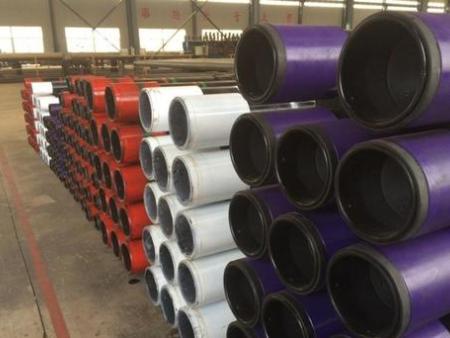
Analyzing the Policy Role in Ensuring Fair Labor Practices in the Oil Casing Industry
Analyzing the policy role in ensuring fair labor practices in the oil casing industry is crucial for maintaining ethical standards and protecting the rights of workers. Policies play a significant role in sh APIng the working conditions and treatment of employees within this industry. By examining the policies that govern labor practices, we can gain insights into the mechanisms that promote fairness and equity in the workplace.
octg Pipe Suppliers
One key aspect of policy analysis in the oil casing industry is the establishment of minimum wage standards. Setting minimum wage levels ensures that workers are fairly compensated for their labor and helps prevent exploitation. Additionally, policies related to working hours and overtime regulations are essential for safeguarding the well-being of employees and preventing excessive work hours that can lead to burnout and health issues.
Health and safety policies are another critical area of focus in ensuring fair labor practices. The oil casing industry involves potentially hazardous work environments, and policies that mandate safety protocols and provide training on occupational hazards are essential for protecting workers from harm. By enforcing strict safety regulations, policyMakers can reduce the risk of accidents and injuries in the workplace.
Furthermore, policies that address discrimination and harassment are vital for creating a respectful and inclusive work environment. Anti-discrimination policies help prevent unfair treatment based on factors such as race, gender, or religion, promoting diversity and equality within the industry. Similarly, policies that prohibit harassment and bullying contribute to a positive workplace culture where all employees feel valued and respected.
 In addition to internal policies within Companies, government regulations also play a significant role in ensuring fair labor practices in the oil casing industry. Regulatory bodies oversee compliance with labor laws and hold companies accountable for any violations. By enforcing penalties for non-compliance and conducting regular inspections, regulators help maintain a level playing field and protect the rights of workers.
Transparency and accountability are essential components of effective policy implementation. Companies in the oil casing industry should be transparent about their labor practices and provide mechanisms for employees to report any concerns or grievances. By fostering a culture of openness and accountability, organizations can address issues promptly and prevent potential violations of labor standards.
In conclusion, analyzing the policy role in ensuring fair labor practices in the oil casing industry reveals the importance of comprehensive and enforceable regulations. Policies related to wages, working conditions, health and safety, discrimination, and government oversight all contribute to creating a fair and ethical workplace environment. By upholding these policies and promoting a culture of respect and accountability, the industry can protect the rights and well-being of its workforce.