استكشاف الأعماق: الثروات المخفية للحفر في أعماق البحار
الكشف عن مواد فائقة القوة: ثورة في تكنولوجيا أغلفة الزيت

الآثار البيئية للتعدين في أعماق البحار: الموازنة بين استخراج الموارد والحفاظ عليها
كشف الحفر في أعماق البحار عن كنز رائع مع اكتشاف مواد تغليف النفط فائقة القوة والمقاومة للتآكل. يعد هذا التقدم التكنولوجي بإحداث ثورة في صناعة النفط والغاز من خلال تعزيز متانة واستدامة عمليات الحفر في أعماق البحار. ومع ذلك، كما هو الحال مع أي تقدم تكنولوجي، فإنه يثير آثاراً بيئية كبيرة تتطلب دراسة متأنية.
تكمن جاذبية الحفر في أعماق البحار في قدرته على الوصول إلى احتياطيات النفط غير المستغلة سابقاً والمدفونة تحت قاع المحيط. واجهت طرق الحفر التقليدية تحديات في هذه البيئات القاسية بسبب الطبيعة المسببة للتآكل لمياه البحر والضغوط العالية ودرجات الحرارة التي تواجهها في العمق. غالبًا ما تكافح مواد أغلفة النفط التقليدية للحفاظ على سلامتها في ظل هذه الظروف، مما يؤدي إلى مشكلات صيانة متكررة ومخاطر بيئية.
يمثل إدخال مواد أغلفة النفط فائقة القوة والمقاومة للتآكل تقدمًا محوريًا في معالجة هذه التحديات. وقد تم تصميم هذه المواد خصيصًا لتحمل الظروف القاسية للحفر في أعماق البحار، مما يوفر مزيدًا من المتانة والموثوقية. من خلال تقليل الحاجة إلى الصيانة والإصلاحات المتكررة، فإن لديها القدرة على تقليل وقت التوقف التشغيلي وخفض البصمة البيئية الإجمالية لأنشطة الحفر البحرية.
من منظور بيئي، يمكن أن يؤدي اعتماد مثل هذه المواد المتقدمة إلى تحقيق فوائد ومخاوف. فمن ناحية، يمكن أن تؤدي زيادة متانة وموثوقية هذه المواد إلى تقليل التسربات والانسكابات، وبالتالي تقليل مخاطر التلوث البيئي. وهذا أمر بالغ الأهمية بشكل خاص في النظم البيئية البحرية الحساسة حيث يمكن أن يكون للانسكابات الصغيرة آثار عميقة وطويلة الأمد على التنوع البيولوجي والمجتمعات الساحلية.
علاوة على ذلك، قد تساهم مكاسب الكفاءة المرتبطة باستخدام مواد فائقة القوة ومقاومة للتآكل في توفير الطاقة بشكل عام. الحفظ وكفاءة الموارد. من خلال تحسين عمر وأداء مكونات غلاف النفط، تكون هناك حاجة إلى مواد أقل بمرور الوقت، مما يؤدي إلى تقليل استخراج الموارد وتوليد النفايات. يتماشى هذا مع أهداف الاستدامة الأوسع نطاقًا التي تهدف إلى تقليل البصمة البيئية للأنشطة الصناعية. إن استخراج النفط والغاز من احتياطيات أعماق البحار ينطوي على إزعاج الموائل والنظم البيئية الحساسة تحت الماء والتي غالبا ما تكون غير مفهومة بشكل جيد. إن استخدام سوائل الحفر، وتوليد مواد النفايات، واضطراب رواسب قاع البحر يمكن أن يساهم جميعها في تدهور الموائل وتعطيل النظام البيئي.
علاوة على ذلك، يجب دراسة التأثيرات التراكمية للحفر في أعماق البحار على صحة المحيطات العالمية وتغير المناخ بعناية. تقييمها. في حين أن التقدم في تكنولوجيا الحفر قد يزيد من إمكانية الوصول إلى موارد الطاقة الجديدة، فإنه يؤدي أيضًا إلى إدامة اعتماد المجتمع على الوقود الأحفوري، مما قد يؤخر الانتقال إلى بدائل طاقة أنظف وأكثر استدامة.
إن تحقيق التوازن بين فوائد ومخاطر الحفر في أعماق البحار يتطلب إجراء شامل وشامل النهج القائم على العلم للإدارة والتنظيم البيئي. تعد برامج المراقبة القوية والمعايير التشغيلية الصارمة وآليات إعداد التقارير الشفافة ضرورية للتخفيف من الآثار البيئية المحتملة وضمان المساءلة داخل الصناعة.
وفي نهاية المطاف، يمثل اكتشاف مواد تغليف النفط فائقة القوة والمقاومة للتآكل علامة بارزة في تطور تكنولوجيا الحفر في أعماق البحار. وفي حين أنها تقدم تطورات واعدة في الكفاءة التشغيلية والإشراف البيئي، فإن نشرها يجب أن يكون مصحوبًا بضمانات بيئية صارمة لحماية صحة وسلامة محيطاتنا للأجيال القادمة. ومع تقدم الصناعة إلى الأمام، من الضروري تحقيق توازن دقيق بين استخراج الموارد والحفاظ عليها، مما يضمن توافق التقدم التكنولوجي مع الممارسات البيئية المستدامة.
Deep-sea drilling operations have long been the frontier of technological innovation in the Oil and Gas industry. As demands for energy escalate and terrestrial reserves dwindle, the exploration of deep-sea reserves becomes increasingly crucial. However, the harsh conditions found thousands of feet below the ocean’s surface present formidable challenges, particularly concerning the durability and reliability of drilling equipment.
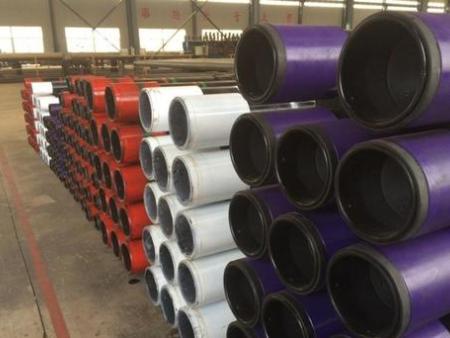
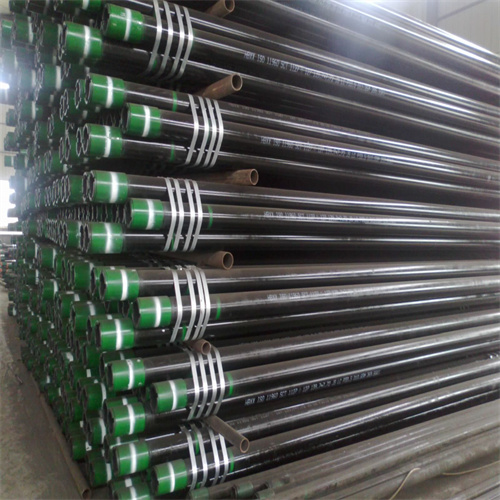
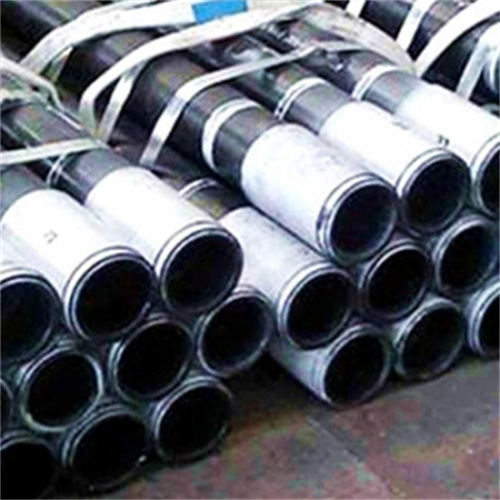
One of the most critical components in deep-sea drilling is the Oil Casing, which protects the wellbore and ensures structural integrity under extreme pressures and corrosive environments. Traditionally, Steel alloys have been the Material of choice due to their strength and durability. Yet, the relentless forces exerted by seawater and hydrocarbons can lead to corrosion and structural degradation over time, compromising safety and operational efficiency.
In recent years, a breakthrough has emerged in the form of ultra-strong, corrosion-resistant materials specifically designed for oil casing applications. These advanced materials promise to revolutionize deep-sea drilling by offering unprecedented durability and longevity in challenging marine environments. One such material gaining traction is a composite blend of carbon fiber and epoxy resin, meticulously engineered to withstand the corrosive effects of seawater while maintaining exceptional mechanical strength.
The development of these materials represents a convergence of scientific innovation and industrial necessity. Engineers and materials scientists have collaborated to enhance the performance characteristics of oil casing, pushing the boundaries of what was previously thought possible. Through rigorous testing and refinement, these composite materials have demonstrated superior resistance to corrosion, fatigue, and mechanical stress, making them ideally suited for prolonged deployment in deep-sea wells.
The advantages of ultra-strong, corrosion-resistant oil casing extend beyond operational durability. By minimizing the risk of structural failure and Maintenance downtime, these materials contribute to enhanced safety standards and operational efficiency. Furthermore, their lightWeight nature reduces logistical complexities associated with deep-sea installations, offering a practical solution to the challenges of offshore drilling.
From a technological standpoint, the integration of advanced materials into oil casing design represents a paradigm shift in offshore engineering. By harnessing the unique properties of carbon composites, Manufacturers can tailor casing solutions to meet specific operational requirements, ensuring compatibility with a range of drilling techniques and environmental conditions. This versatility underscores the adaptability of modern materials science in addressing complex industrial challenges.
As global energy demand contiNues to rise, the importance of sustainable and efficient resource extraction practices cannot be overstated. The deployment of ultra-strong, corrosion-resistant oil casing not only enhances the resilience of deep-sea drilling operations but also supports environmental stewardship by minimizing the ecological footprint associated with offshore exploration.
Looking ahead, ongoing research and development efforts are poised to further refine these advanced materials, unlocking new possibilities for the future of deep-sea drilling technology. Collaborations between academia, industry, and regulatory bodies will be crucial in navigating the complexities of material certification and adoption, ensuring that innovations translate seamlessly from laboratory prototypes to commercial applications.
In conclusion, the advent of ultra-strong, corrosion-resistant materials represents a transformative milestone in the evolution of oil casing technology. By mitigating risks, improving operational efficiency, and expanding the frontier of deep-sea exploration, these materials are poised to shape the future of offshore energy production. As industries embrace these innovations, they not only bolster their capabilities but also reaffirm their commitment to sustainable development and responsible resource management in an increasingly interconnected global landscape.
Environmental Implications of Deep-Sea Mining: Balancing Resource Extraction and Conservation
Deep-sea drilling has unveiled a magnificent treasure with the discovery of ultra-strong corrosion-resistant Oil casing materials. This technological breakthrough promises to revolutionize the oil and gas industry by enhancing the durability and sustainability of deep-sea drilling operations. However, as with any technological advancement, it raises significant environmental implications that demand careful consideration.
The allure of deep-sea drilling lies in its potential to access previously untapped oil reserves buried beneath the ocean floor. Traditional drilling methods have faced challenges in these extreme environments due to the corrosive nature of seawater and the high pressures and temperatures encountered at depth. Conventional oil casing materials often struggle to maintain integrity under these conditions, leading to frequent maintenance issues and environmental risks.
The introduction of ultra-strong corrosion-resistant oil casing materials represents a pivotal advancement in addressing these challenges. These materials are specifically designed to withstand the harsh conditions of deep-sea drilling, offering increased durability and reliability. By reducing the need for frequent maintenance and Repairs, they have the potential to minimize operational downtime and lower the overall environmental footprint of offshore drilling activities.
From an environmental perspective, the adoption of such advanced materials can bring both benefits and concerns. On one hand, the increased durability and reliability of these materials could lead to fewer leaks and spills, thereby reducing the risk of environmental contamination. This is particularly crucial in sensitive marine ecosystems where even small-scale spills can have profound and long-lasting impacts on biodiversity and coastal communities.
Moreover, the efficiency gains associated with using ultra-strong corrosion-resistant materials may contribute to overall energy conservation and resource efficiency. By improving the lifespan and performance of oil casing components, less material is required over time, leading to reduced resource extraction and waste generation. This aligns with broader sustainability goals aimed at minimizing the environmental footprint of industrial activities.
However, the widespread adoption of deep-sea drilling technologies, facilitated by these advanced materials, also raises concerns about their potential long-term impacts on marine ecosystems. The extraction of oil and gas from deep-sea reserves involves disturbing delicate underwater habitats and ecosystems that are often poorly understood. The use of drilling fluids, the generation of waste materials, and the disturbance of seafloor sediments can all contribute to habitat degradation and ecosystem disruption.
Furthermore, the cumulative impacts of deep-sea drilling on global ocean health and climate change must be carefully evaluated. While advancements in drilling technology may increase access to new energy resources, they also perpetuate society’s reliance on fossil fuels, potentially delaying the transition to cleaner and more sustainable energy alternatives.
Balancing the benefits and risks of deep-sea drilling requires a comprehensive and science-based approach to environmental management and regulation. Robust monitoring programs, stringent operational standards, and transparent reporting mechanisms are essential to mitigate potential environmental impacts and ensure accountability within the industry.
Ultimately, the discovery of ultra-strong corrosion-resistant oil casing materials represents a significant milestone in the evolution of deep-sea drilling technology. While offering promising advancements in operational efficiency and environmental stewardship, their deployment must be accompanied by rigorous environmental safeguards to safeguard the health and integrity of our oceans for future generations. As the industry moves forward, it is imperative to strike a delicate balance between resource extraction and conservation, ensuring that technological progress aligns with sustainable environmental practices.