Understanding Different Casing sizes and Weights: A Comprehensive Guide
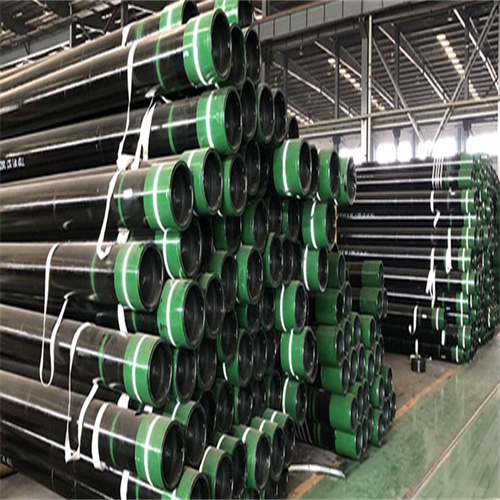
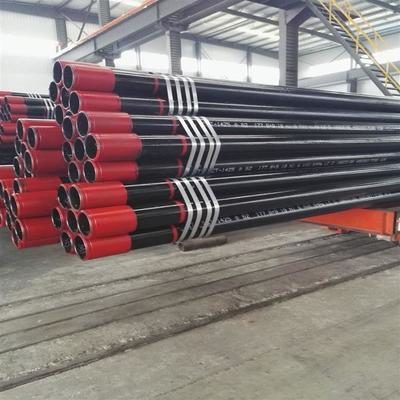
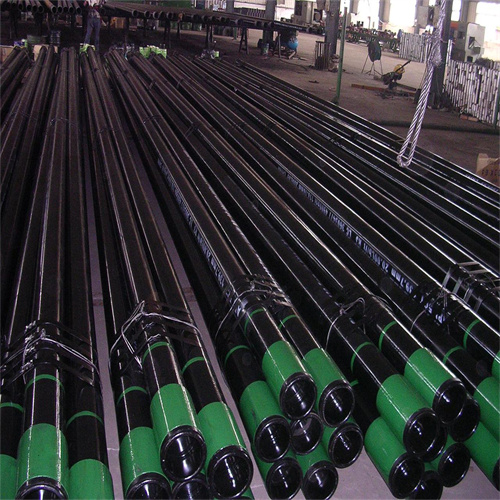
Understanding different casing sizes and weights is crucial in various industries, particularly in Oil and Gas drilling operations. The casing is a large Diameter Pipe that serves a significant role in the drilling process. It is inserted into the wellbore and cemented in place to stabilize the well and prevent the walls from collapsing. The casing also prevents contamination of water sands and isolates different layers of the formation that have different pressures.
The size and weight of the casing are critical factors that determine its functionality and effectiveness. The size of the casing is typically measured in terms of its diameter, which can range from 4.5 inches to 36 inches. The weight, on the other hand, is measured in pounds per foot (ppf). It is important to note that the weight does not refer to the actual weight of the casing but rather its weight capacity or how much weight it can support.
The casing size and weight are cHosen based on several factors, including the depth and size of the well, the anticipated pressures, the drilling environment, and the type of drilling fluids used. For instance, a deeper well would require a casing with a larger diameter and higher weight capacity to withstand the increased pressures and stresses. Similarly, a well drilled in a harsh environment would require a casing with a higher weight capacity to resist corrosion and other damaging effects.
 There are several types of casings, each with different sizes and weights, designed for specific applications. The conductor casing, for instance, is the first casing installed in the well. It is typically the largest in diameter and the shortest in Length. Its primary function is to prevent the top of the wellbore from caving in and to help in drilling through unconsolidated surface sediments.
Casing Pipe,casing well pipe, casing supreme pipe, casing vs carrier pipe, casing for ac pipe, casing Steel Pipe, casing pipe size, casing pvc pipe Price, casing pipe, casing pipe Suppliers in china, casing capping pipe, casing drill pipe,carrier pipe,casing pipe size,bushing flange,bushing Sleeve,bushing,bushing arm,bushing bearing,bushing reducer,bushing tool,bushing pvc,bushing meaningThe surface casing is the next one to be installed. It is smaller in diameter than the conductor casing but longer. Its main function is to isolate freshwater zones from other formations to prevent contamination. The size and weight of the surface casing are determined by the depth of the freshwater zones and the pressure of the formations to be Sealed off.
The intermediate casing is installed after the surface casing. It is used to seal off troublesome zones in the well, such as high-pressure or high-temperature zones, and to protect the Casing string from corrosive drilling fluids. The size and weight of the intermediate casing are determined by the depth and pressure of the troublesome zones.
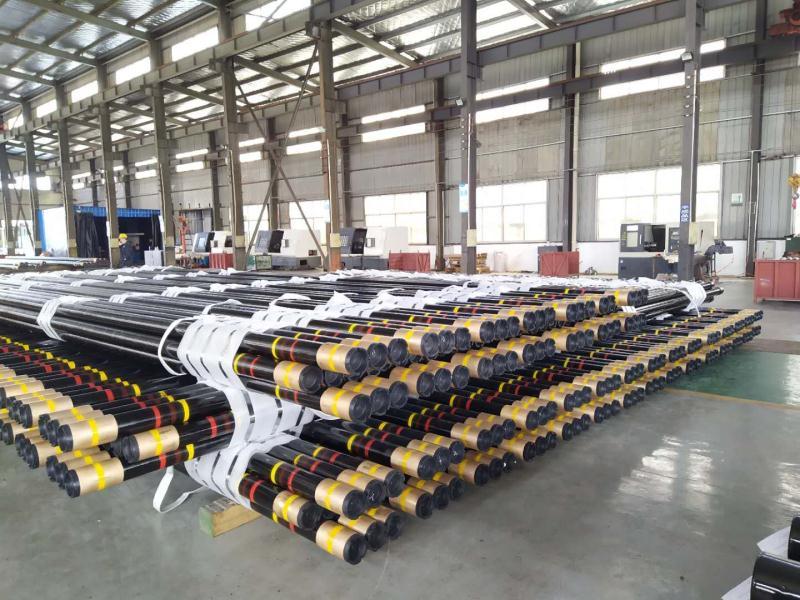
The production casing, also known as the oil string, is the last casing to be installed. It is the smallest in diameter and the longest in length. Its main function is to provide a conduit for the production of oil or gas from the reservoir to the surface. The size and weight of the production casing are determined by the depth of the reservoir and the anticipated production rates.
In conclusion, understanding different casing sizes and weights is essential in ensuring the success of drilling operations. The right casing size and weight can enhance the stability of the well, prevent contamination of water sands, isolate different formation pressures, and ultimately, ensure the safe and efficient production of oil or gas. Therefore, it is crucial for drilling engineers and other industry professionals to have a comprehensive understanding of casing sizes and weights and their implications for drilling operations.
The Impact of Casing Sizes and Weights on Industrial Applications
Casing sizes and weights play a pivotal role in the realm of industrial applications. These factors significantly influence the efficiency, safety, and overall performance of various industrial processes. The impact of casing sizes and weights is particularly evident in industries such as oil and gas, Construction, and manufacturing, where the casing is a critical component of the operational infrastructure.
In the oil and gas industry, for instance, the casing is a large-diameter pipe that is assembled and inserted into a recently drilled section of a borehole. The size and weight of the casing are crucial in ensuring the stability of the well. A well-chosen casing size can prevent the well from collapsing, while an appropriate casing weight can withstand the pressure exerted by the earth’s crust. Moreover, the casing size and weight also determine the volume of oil or gas that can be extracted from the well. Therefore, selecting the right casing size and weight is a critical decision that can significantly impact the productivity and profitability of oil and gas operations.
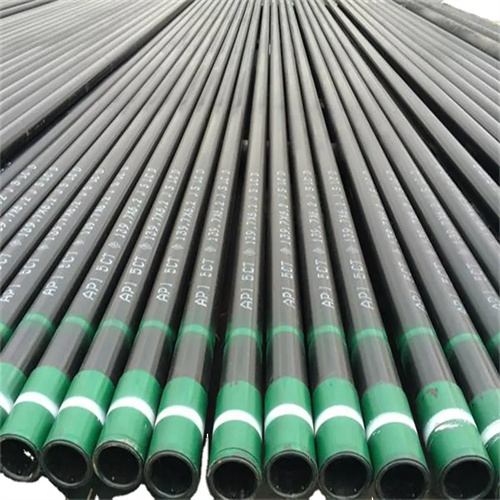
API 5ct N80-1 CASING China Best Manufacturer
Similarly, in the construction industry, the casing size and weight are vital in determining the structural integrity of buildings and other structures. The casing, in this context, refers to the outer shell of a building component, such as a window or door. The size of the casing can affect the overall aesthetics and functionality of the structure, while the weight of the casing can influence the stability and durability of the building component. For instance, a heavy casing might provide better insulation and soundproofing but could also put more strain on the building’s structural elements. Therefore, the choice of casing size and weight must strike a balance between aesthetic appeal, functional requirements, and structural considerations.
In the manufacturing sector, the casing size and weight can impact the efficiency and effectiveness of production processes. The casing, in this case, refers to the outer cover of a machine or equipment. A larger casing size can accommodate more components or larger parts, potentially increasing the machine’s capacity or performance. On the other hand, a heavier casing might offer better protection for the machine’s internal components but could also make the machine more difficult to move or transport. Therefore, the selection of casing size and weight in manufacturing must consider factors such as production requirements, safety standards, and logistical constraints.
In conclusion, the impact of casing sizes and weights on industrial applications is profound and multifaceted. These factors can influence the stability and safety of operations, the efficiency and capacity of production processes, and the aesthetics and functionality of structures. Therefore, the selection of casing size and weight requires careful consideration and strategic decision-making. It is a complex task that involves a thorough understanding of the specific requirements and constraints of each industrial application. By making informed decisions about casing sizes and weights, industries can optimize their operations, enhance their performance, and ultimately, achieve their business objectives.