Kuelewa Ukubwa na Uzito wa Casing Tofauti: Mwongozo wa Kina
Athari ya Ukubwa wa Casing na Uzito kwenye Matumizi ya Viwanda
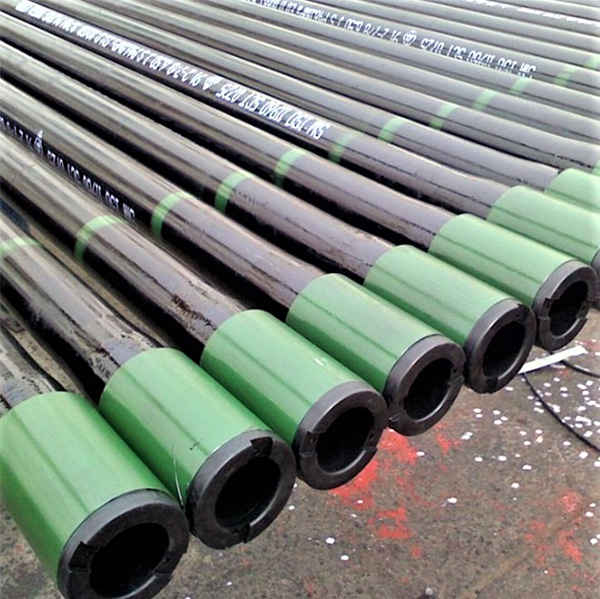
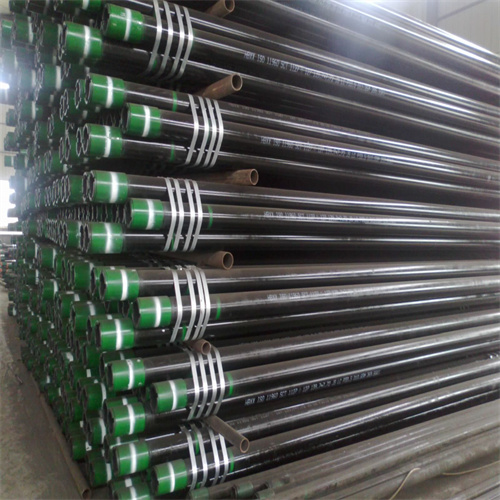
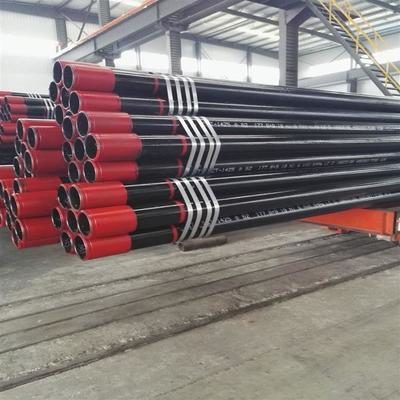
API 5ct N80-1 CASING Uchina Mtengenezaji Bora zaidi
 Vile vile, katika tasnia ya ujenzi, ukubwa na uzito wa kabati ni muhimu katika kubainisha uadilifu wa muundo wa majengo na miundo mingine. Casing, katika muktadha huu, inarejelea ganda la nje la sehemu ya jengo, kama vile dirisha au mlango. Ukubwa wa casing unaweza kuathiri uzuri wa jumla na utendaji wa muundo, wakati uzito wa casing unaweza kuathiri utulivu na uimara wa sehemu ya jengo. Kwa mfano, casing nzito inaweza kutoa insulation bora na kuzuia sauti lakini pia inaweza kuweka mkazo zaidi kwenye vipengele vya muundo wa jengo. Kwa hivyo, uchaguzi wa ukubwa na uzito wa kasha lazima uwe na uwiano kati ya mvuto wa urembo, mahitaji ya utendakazi, na kuzingatia kimuundo.
Katika sekta ya utengenezaji, ukubwa na uzito wa kasha unaweza kuathiri ufanisi na ufanisi wa michakato ya uzalishaji. Casing, katika kesi hii, inahusu kifuniko cha nje cha mashine au vifaa. Saizi kubwa ya kabati inaweza kuchukua vipengee zaidi au visehemu vikubwa zaidi, hivyo basi kuongeza uwezo au utendakazi wa mashine. Kwa upande mwingine, mfuko mzito zaidi unaweza kutoa ulinzi bora kwa vijenzi vya ndani vya mashine lakini pia inaweza kufanya mashine kuwa ngumu zaidi kusongesha au kusafirisha. Kwa hivyo, uteuzi wa ukubwa wa kasha na uzito katika utengenezaji lazima uzingatie vipengele kama vile mahitaji ya uzalishaji, viwango vya usalama, na vikwazo vya upangaji.
Kwa kumalizia, athari za ukubwa wa kasha na uzito kwenye matumizi ya viwandani ni kubwa na yenye pande nyingi. Mambo haya yanaweza kuathiri uthabiti na usalama wa shughuli, ufanisi na uwezo wa michakato ya uzalishaji, na uzuri na utendakazi wa miundo. Kwa hiyo, uteuzi wa ukubwa wa casing na uzito unahitaji kuzingatia kwa makini na kufanya maamuzi ya kimkakati. Ni kazi ngumu inayohusisha uelewa kamili wa mahitaji maalum na vikwazo vya kila matumizi ya viwanda. Kwa kufanya maamuzi sahihi kuhusu ukubwa na uzito wa kabati, viwanda vinaweza kuboresha shughuli zao, kuboresha utendaji wao, na hatimaye, kufikia malengo yao ya biashara.
The intermediate casing is installed after the surface casing. It is used to Seal off troublesome zones in the well, such as high-pressure or high-temperature zones, and to protect the Casing string from corrosive drilling fluids. The size and Weight of the intermediate casing are determined by the depth and pressure of the troublesome zones.
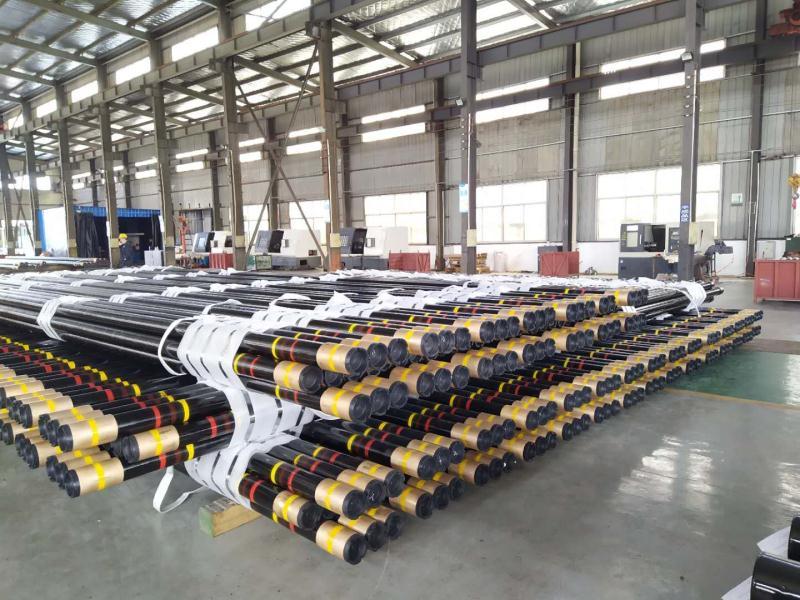
The production casing, also known as the Oil string, is the last casing to be installed. It is the smallest in Diameter and the longest in Length. Its main function is to provide a conduit for the production of oil or Gas from the reservoir to the surface. The size and weight of the production casing are determined by the depth of the reservoir and the anticipated production rates.
In conclusion, understanding different casing sizes and weights is essential in ensuring the success of drilling operations. The right casing size and weight can enhance the stability of the well, prevent contamination of water sands, isolate different formation pressures, and ultimately, ensure the safe and efficient production of oil or gas. Therefore, it is crucial for drilling engineers and other industry professionals to have a comprehensive understanding of casing sizes and weights and their implications for drilling operations.
The Impact of Casing Sizes and Weights on Industrial Applications
Casing sizes and weights play a pivotal role in the realm of industrial applications. These factors significantly influence the efficiency, safety, and overall performance of various industrial processes. The impact of casing sizes and weights is particularly evident in industries such as Oil and Gas, Construction, and manufacturing, where the casing is a critical component of the operational infrastructure.
In the oil and gas industry, for instance, the casing is a large-diameter Pipe that is assembled and inserted into a recently drilled section of a borehole. The size and weight of the casing are crucial in ensuring the stability of the well. A well-cHosen casing size can prevent the well from collapsing, while an appropriate casing weight can withstand the pressure exerted by the earth’s crust. Moreover, the casing size and weight also determine the volume of oil or gas that can be extracted from the well. Therefore, selecting the right casing size and weight is a critical decision that can significantly impact the productivity and profitability of oil and gas operations.
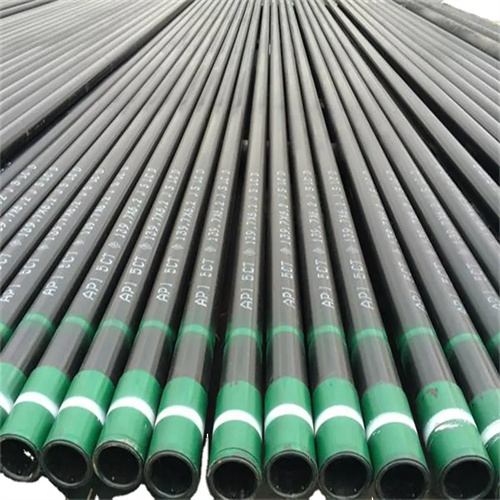
API 5CT N80-1 CASING China Best Manufacturer
Similarly, in the construction industry, the casing size and weight are vital in determining the structural integrity of buildings and other structures. The casing, in this context, refers to the outer shell of a building component, such as a window or door. The size of the casing can affect the overall aesthetics and functionality of the structure, while the weight of the casing can influence the stability and durability of the building component. For instance, a heavy casing might provide better insulation and soundproofing but could also put more strain on the building’s structural elements. Therefore, the choice of casing size and weight must strike a balance between aesthetic appeal, functional requirements, and structural considerations.
In the manufacturing sector, the casing size and weight can impact the efficiency and effectiveness of production processes. The casing, in this case, refers to the outer cover of a machine or equipment. A larger casing size can accommodate more components or larger parts, potentially increasing the machine’s capacity or performance. On the other hand, a heavier casing might offer better protection for the machine’s internal components but could also make the machine more difficult to move or transport. Therefore, the selection of casing size and weight in manufacturing must consider factors such as production requirements, safety standards, and logistical constraints.
In conclusion, the impact of casing sizes and weights on industrial applications is profound and multifaceted. These factors can influence the stability and safety of operations, the efficiency and capacity of production processes, and the aesthetics and functionality of structures. Therefore, the selection of casing size and weight requires careful consideration and strategic decision-making. It is a complex task that involves a thorough understanding of the specific requirements and constraints of each industrial application. By making informed decisions about casing sizes and weights, industries can optimize their operations, enhance their performance, and ultimately, achieve their business objectives.