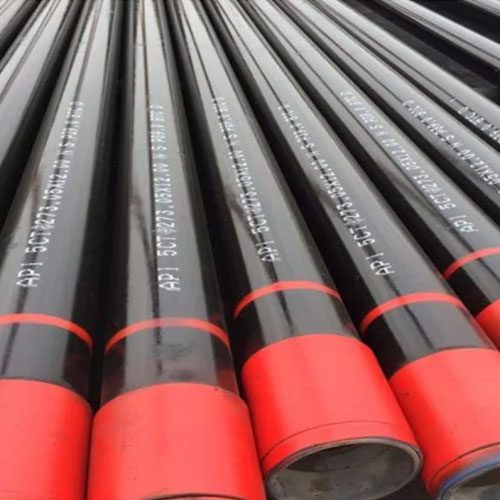
Advanced Technologies Enhancing Oil Casing Performance: A Deep Dive
In the realm of oil exploration and production, the performance of oil casings stands as a critical factor in ensuring operational efficiency, safety, and environmental sustainability. Over the years, advancements in technology have revolutionized the capabilities and reliability of these essential components, paving the way for more efficient energy extraction and management. This article delves into the refinement of oil casing performance, exploring the innovations that are sh APIng the future of the industry.
Oil casings serve as the primary structural element in Oil Wells, providing crucial support and protection to the wellbore against external pressures and ensuring the integrity of the extraction process. Historically, casings were primarily composed of Steel, cHosen for its durability and strength. However, with the evolution of drilling techniques and environmental considerations, the demands on casings have become more stringent.
petroleum Casing Pipe Exporter
One of the key advancements in oil casing technology has been the development of corrosion-resistant alloys. These alloys, such as chromium and nickel-based steels, offer superior resistance to corrosive elements present in oil reservoirs, thereby extending the operational lifespan of wells and reducing Maintenance costs. This enhancement not only improves the reliability of casings but also minimizes environmental impact by reducing the risk of leaks and spills.
Moreover, the advent of composite Materials has introduced a new frontier in casing design. Composite casings, made from materials like fiberglass and carbon fiber reinforced polymers, exhibit exceptional strength-to-Weight ratios and Corrosion resistance. These materials are particularly advantageous in challenging environments where traditional steel casings may be susceptible to degradation. Furthermore, composite casings enable operators to achieve greater depths and pressures without compromising performance or safety.
In parallel with material advancements, innovative manufacturing techniques have also contributed to enhancing casing performance. Precision machining and automated welding processes ensure the uniformity and integrity of casing joints, reducing the likelihood of structural failure during operation. Additionally, advancements in Non-destructive testing methods, such as ultrasonic and electromagnetic inspection technologies, allow for comprehensive evaluation of casing integrity without the need for invasive procedures.
The integration of digital technologies has further transformed the monitoring and management of casing performance. IoT (Internet of Things) sensors embedded within casings provide real-time data on temperature, pressure, and integrity, enabling proactive maintenance and decision-making. This data-driven approach not only enhances operational efficiency but also improves safety by identifying potential issues before they escalate.
Furthermore, the concept of “smart casings” is emerging as a promising aveNue for future development. These casings incorporate advanced sensors and actuators that can autonomously adjust to changing well conditions, optimizing production rates while minimizing environmental impact. Smart casings represent a significant step towards achieving sustainable energy extraction practices by maximizing resource utilization and reducing operational footprint.
Looking ahead, the refinement of oil casing performance continues to drive innovation in the energy sector. As industry demands evolve and environmental considerations become increasingly paramount, ongoing research and development efforts aim to further enhance the reliability, efficiency, and sustainability of oil well operations. By leveraging advanced materials, manufacturing techniques, and digital solutions, stakeholders in the Oil and Gas industry are poised to pave a new energy journey characterized by enhanced performance and reduced environmental impact.
In conclusion, the evolution of oil casing technology underscores its pivotal role in advancing energy exploration and production capabilities. Through continuous innovation and integration of cutting-edge technologies, oil casing performance is poised to redefine industry standards, ensuring a sustainable and efficient energy future. As these advancements continue to unfold, the quest for optimized performance and environmental stewardship remains at the forefront of the oil and gas sector’s agenda, driving progress towards a more resilient and responsible energy landscape.
Pioneering New Energy Frontiers: Innovations in Oil Casing Design
Delineate the Refinement of Oil Casing Performance and Pave a New Energy Journey
In the realm of oil extraction and production, the evolution of oil casing design stands as a testament to ongoing technological advancements driving efficiency and sustainability in the industry. Oil casings, vital components of well Construction, play a crucial role in maintaining well integrity and optimizing production yields. The continuous refinement of oil casing performance not only enhances operational safety but also contributes significantly to reducing environmental impact and maximizing resource utilization.
Traditionally, oil casings were primarily designed to provide structural support and prevent the collapse of wellbores. However, the demands of modern oil exploration necessitate casings that can withstand higher pressures, corrosive environments, and extreme temperatures. Innovations in materials science have been pivotal in addressing these challenges. Advanced alloys and composites are now used to manufacture casings that offer superior strength, durability, and resistance to chemical degradation.
The quest for enhanced performance has also spurred innovations in casing design. Engineers are increasingly focusing on geometric and mechanical configurations that optimize casing functionality under varying downhole conditions. This includes the development of casing Connections that ensure reliable Sealing and easier installation, thereby reducing operational downtime and maintenance costs.
Moreover, the drive towards sustainable energy practices has prompted the integration of eco-friendly materials and manufacturing processes in oil casing production. Recycled materials and eco-conscious manufacturing techniques not only contribute to reducing the carbon footprint but also align with global efforts towards achieving environmental sustainability in the energy sector.
 In parallel with material and design advancements, digital technologies are revolutionizing oil casing performance monitoring and maintenance. IoT-enabled sensors embedded in casings provide real-time data on integrity, pressure, and temperature, enabling proactive maintenance and preventing costly failures. Data analytics further enhance operational efficiency by predicting potential issues and optimizing well performance over the lifecycle of the casing.
Furthermore, the adaptation of smart manufacturing practices has streamlined the production of oil casings, ensuring consistency in quality and adherence to stringent industry standards. Automated processes and robotics not only expedite production but also minimize human error, ensuring that each casing meets the exact specifications required for its intended application.
The significance of these advancements extends beyond operational benefits to encompass broader implications for the global energy landscape. By enhancing the reliability and efficiency of oil extraction, refined casing technologies contribute to stabilizing energy supplies and meeting escalating global energy demands. This reliability is particularly crucial in accessing previously untapped reserves and improving recovery rates from existing fields, thereby extending the lifespan of oil wells and optimizing resource utilization.
Looking ahead, the trajectory of oil casing innovation is poised to intersect with emerging trends such as carbon capture and utilization (CCU) and renewable energy integration. Advanced casings capable of supporting enhanced recovery techniques and facilitating CCU processes will play a pivotal role in transitioning towards a more sustainable energy future. The ongoing collaboration between industry stakeholders, research institutions, and regulatory bodies will be instrumental in driving these innovations forward and overcoming technical and environmental challenges.
In conclusion, the refinement of oil casing performance represents a pivotal advancement in the evolution of the energy sector. From materials science to digitalization and sustainability initiatives, each facet of innovation contributes to enhancing operational efficiency, ensuring environmental stewardship, and paving the way for a resilient energy future. As technology continues to evolve, so too will the capabilities of oil casings, forging new frontiers in energy exploration and production that promise to shape the industry for decades to come.