**فهم الأنواع المختلفة لأغلفة الزيت: نظرة شاملة**
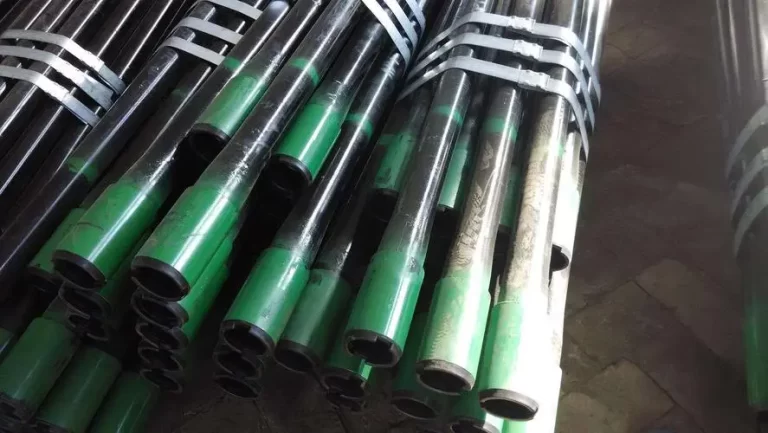
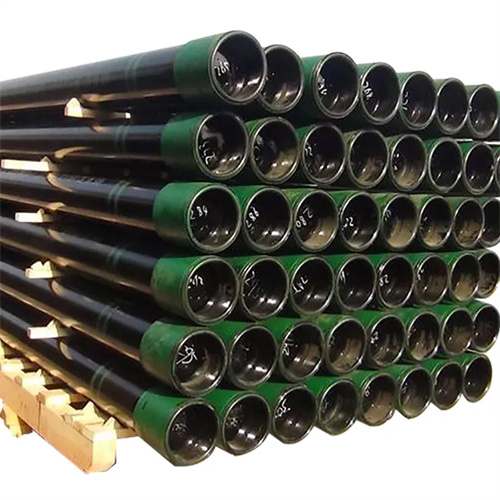
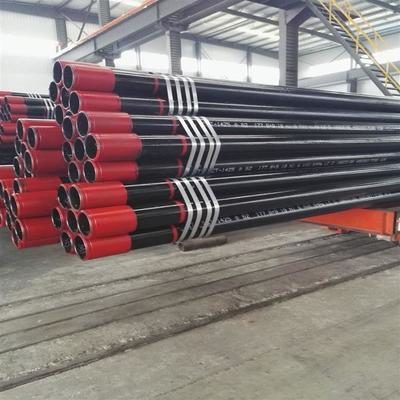
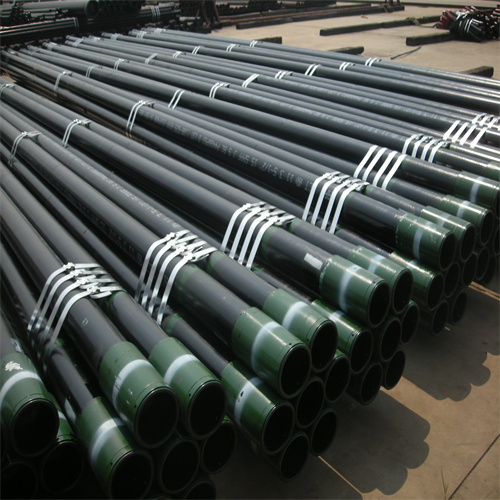
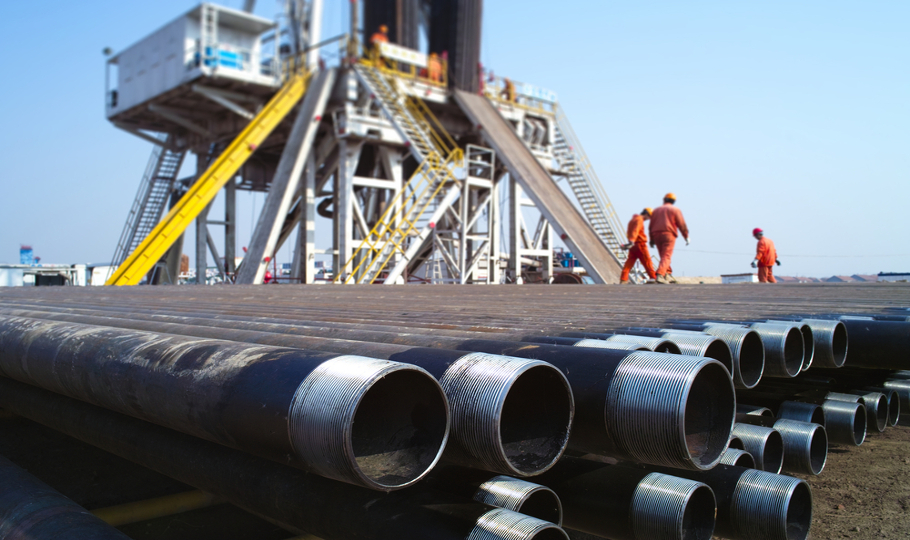
عندما يتعلق الأمر بصناعة النفط والغاز، فإن اختيار غلاف النفط المناسب يعد قرارًا حاسمًا يمكن أن يؤثر بشكل كبير على نجاح عمليات الحفر. يعمل الغلاف النفطي كبطانة واقية لحفرة البئر، مما يضمن السلامة الهيكلية للبئر ويمنع تلوث المياه الجوفية. يعد فهم الأنواع المختلفة من أغلفة النفط المتوفرة أمرًا ضروريًا لاتخاذ خيارات مستنيرة تتوافق مع الاحتياجات التشغيلية المحددة والظروف الجيولوجية. تم تصميم هذا الغلاف لحماية طبقات المياه الجوفية العذبة وتوفير أساس مستقر لعمليات الحفر اللاحقة. عادة ما يكون الغلاف السطحي مصنوعاً من الفولاذ الكربوني ويتم تركيبه على عمق يضمن حماية موارد المياه الجوفية. بعد الغلاف السطحي، غالبًا ما يشار إلى الطبقة التالية باسم الغلاف المتوسط. يتم استخدام هذا النوع من الغلاف لتوفير دعم إضافي واستقرار، خاصة في المناطق التي قد تكون فيها التكوينات الجيولوجية غير مستقرة أو عرضة للتحول. يعد الغلاف المتوسط أمرًا بالغ الأهمية لعزل مناطق الضغط المختلفة داخل حفرة البئر، وبالتالي منع هجرة السوائل بين هذه المناطق.
مع تقدم الحفر في عمق الأرض، يأتي دور غلاف الإنتاج. يتم تركيب هذا الغلاف في المراحل النهائية من الحفر وهو مصمم خصيصًا لتسهيل استخراج النفط والغاز من المكمن. عادةً ما يكون غلاف الإنتاج أكثر سمكًا وأكثر قوة من الغلاف السطحي والمتوسط، حيث يجب أن يتحمل الضغوط العالية ودرجات الحرارة التي تواجهها التكوينات العميقة. يعد اختيار مادة غلاف الإنتاج أمرًا حيويًا أيضًا، حيث يجب أن تكون مقاومة للتآكل والعوامل البيئية الأخرى التي يمكن أن تؤثر على سلامتها بمرور الوقت.
الأنابيب الفولاذية الهيكلية
**العوامل الرئيسية التي يجب مراعاتها عند اختيار غلاف الزيت المناسب لمشروعك**
علاوة على ذلك، لا يمكن التغاضي عن الامتثال التنظيمي ومعايير الصناعة عند اختيار غلاف الزيت. لدى المناطق المختلفة لوائح محددة تحكم المواد والطرق المستخدمة في عمليات التنقيب عن النفط. إن الالتزام بهذه اللوائح ليس مطلبًا قانونيًا فحسب، بل هو أيضًا أفضل الممارسات التي تضمن السلامة والسلامة البيئية للمشروع. لذلك، يُنصح بالتعرف على اللوائح المحلية ومعايير الصناعة قبل اتخاذ القرار النهائي بشأن اختيار الغلاف.
وأخيرًا، تعتبر اعتبارات التكلفة دائمًا عاملاً في أي مشروع. ورغم أنه قد يكون من المغري اختيار الخيار الأقل تكلفة، فمن الأهمية بمكان أن نزن العواقب الطويلة الأجل المترتبة على مثل هذا القرار. قد يؤدي الاستثمار في الغلاف عالي الجودة إلى تكبد تكاليف أولية أعلى، ولكنه يمكن أن يؤدي إلى توفير كبير على المدى الطويل من خلال تقليل مخاطر الفشل والتسربات وتكاليف الإصلاح المرتبطة بها. لذلك، يعد اتباع نهج متوازن يأخذ في الاعتبار التكاليف الأولية والفوائد طويلة المدى أمرًا ضروريًا في اتخاذ قرار مستنير.
في الختام، يعد اختيار غلاف النفط المناسب لمشروع الحفر قرارًا متعدد الأوجه يتطلب دراسة متأنية لعوامل مختلفة، بما في ذلك الظروف الجيولوجية، وأنواع السوائل، وعمق البئر، والامتثال التنظيمي، والتكلفة. ومن خلال التقييم الشامل لهذه العناصر، يمكن لمديري المشاريع اتخاذ خيارات مستنيرة لا تعزز سلامة وكفاءة عملية الحفر فحسب، بل تساهم أيضًا في النجاح الشامل للمشروع. في نهاية المطاف، يكمن مفتاح اختيار غلاف الزيت المناسب في الفهم الشامل للتحديات والمتطلبات الفريدة لكل مشروع محدد.
When embarking on an Oil drilling project, one of the most critical decisions that engineers and project managers face is the selection of the appropriate Oil Casing. The casing serves as a protective lining for the wellbore, ensuring the structural integrity of the well and preventing the contamination of groundwater. Given the diverse types of oil casing available, understanding the key factors that influence the selection process is essential for the success of any drilling operation.
First and foremost, the geological conditions of the drilling site play a pivotal role in determining the type of casing required. Different formations present unique challenges, such as varying pressures, temperatures, and the presence of corrosive elements. For instance, in areas where high-pressure formations are encountered, a thicker casing may be necessary to withstand the forces exerted during drilling and production. Conversely, in more stable geological formations, a lighter casing may suffice. Therefore, conducting a thorough geological survey prior to making a casing selection is imperative, as it provides valuable insights into the specific requirements of the project.
In addition to geological considerations, the type of fluid being extracted also influences the choice of casing. Oil and Gas wells often encounter a range of fluids, including water, oil, and gas, each of which can have different corrosive properties. For example, wells that produce sour gas, which contains hydrogen sulfide, require casings made from Materials that can resist corrosion and degradation. This necessitates the use of specialized alloys or coatings that can withstand the harsh conditions associated with such fluids. Thus, understanding the chemical composition of the fluids involved is crucial in selecting a casing that will ensure the longevity and safety of the well.
Another significant factor to consider is the depth of the well. As the depth increases, so do the challenges associated with casing selection. Deeper wells experience higher temperatures and pressures, which can affect the performance of the casing material. In such cases, it is essential to choose casings that are not only robust but also designed to handle the thermal expansion and contraction that occurs at great depths. Additionally, the installation process becomes more complex with increased depth, necessitating careful planning and execution to avoid complications during the drilling process.
 Furthermore, regulatory compliance and industry standards cannot be overlooked when selecting oil casing. Different regions have specific regulations governing the materials and methods used in oil drilling operations. Adhering to these regulations is not only a legal requirement but also a best practice that ensures the safety and environmental integrity of the project. Therefore, it is advisable to familiarize oneself with local regulations and industry standards before making a final decision on casing selection.
Lastly, cost considerations are always a factor in any project. While it may be tempting to opt for the least expensive option, it is crucial to weigh the long-term implications of such a decision. Investing in high-quality casing may incur higher upfront costs but can lead to significant savings in the long run by reducing the risk of failures, leaks, and the associated costs of remediation. Therefore, a balanced approach that considers both initial costs and long-term benefits is essential in making an informed decision.
In conclusion, selecting the right oil casing for a drilling project is a multifaceted decision that requires careful consideration of various factors, including geological conditions, fluid types, well depth, regulatory compliance, and cost. By thoroughly evaluating these elements, project managers can make informed choices that not only enhance the safety and efficiency of the drilling operation but also contribute to the overall success of the project. Ultimately, the key to choosing the right oil casing lies in a comprehensive understanding of the unique challenges and requirements of each specific project.