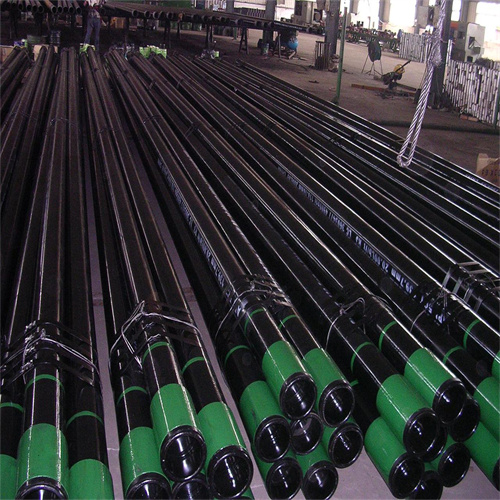
**Kuelewa Aina Mbalimbali za Kabati la Mafuta: Muhtasari wa Kina**
bomba la chuma la muundo
**Mambo Muhimu ya Kuzingatia Wakati wa Kuchagua Mfuko Sahihi wa Mafuta kwa Mradi Wako**
Zaidi ya hayo, utiifu wa udhibiti na viwango vya sekta haviwezi kupuuzwa wakati wa kuchagua mfuko wa mafuta. Mikoa tofauti ina kanuni maalum zinazosimamia nyenzo na mbinu zinazotumiwa katika shughuli za kuchimba mafuta. Kuzingatia kanuni hizi sio tu hitaji la kisheria lakini pia ni mazoezi bora ambayo yanahakikisha usalama na uadilifu wa mazingira wa mradi. Kwa hivyo, inashauriwa kujifahamisha na kanuni za eneo na viwango vya sekta kabla ya kufanya uamuzi wa mwisho kuhusu uteuzi wa kabati. Ingawa inaweza kushawishi kuchagua chaguo ghali zaidi, ni muhimu kupima athari za muda mrefu za uamuzi kama huo. Kuwekeza katika kabati za ubora wa juu kunaweza kugharimu mapema zaidi lakini kunaweza kusababisha uokoaji mkubwa kwa muda mrefu kwa kupunguza hatari ya kushindwa, kuvuja na gharama zinazohusiana za urekebishaji. Kwa hiyo, mtazamo wa uwiano unaozingatia gharama za awali na manufaa ya muda mrefu ni muhimu katika kufanya uamuzi sahihi.
Kwa kumalizia, kuchagua kabati sahihi la mafuta kwa ajili ya mradi wa kuchimba visima ni uamuzi wa mambo mbalimbali unaohitaji kuzingatia kwa makini mambo mbalimbali, ikiwa ni pamoja na. hali ya kijiolojia, aina za maji, kina cha kisima, kufuata kanuni na gharama. Kwa kutathmini vipengele hivi kwa kina, wasimamizi wa mradi wanaweza kufanya maamuzi sahihi ambayo sio tu yataimarisha usalama na ufanisi wa kazi ya uchimbaji lakini pia kuchangia mafanikio ya jumla ya mradi. Hatimaye, ufunguo wa kuchagua kabati sahihi la mafuta liko katika ufahamu wa kina wa changamoto na mahitaji ya kipekee ya kila mradi mahususi.
**Key Factors To Consider When Choosing The Right Oil Casing For Your Project**
When embarking on an oil drilling project, one of the most critical decisions that engineers and project managers face is the selection of the appropriate oil casing. The casing serves as a protective lining for the wellbore, ensuring the structural integrity of the well and preventing the contamination of groundwater. Given the diverse types of oil casing available, understanding the key factors that influence the selection process is essential for the success of any drilling operation.
First and foremost, the geological conditions of the drilling site play a pivotal role in determining the type of casing required. Different formations present unique challenges, such as varying pressures, temperatures, and the presence of corrosive elements. For instance, in areas where high-pressure formations are encountered, a thicker casing may be necessary to withstand the forces exerted during drilling and production. Conversely, in more stable geological formations, a lighter casing may suffice. Therefore, conducting a thorough geological survey prior to making a casing selection is imperative, as it provides valuable insights into the specific requirements of the project.
In addition to geological considerations, the type of fluid being extracted also influences the choice of casing. Oil and Gas wells often encounter a range of fluids, including water, oil, and gas, each of which can have different corrosive properties. For example, wells that produce sour gas, which contains hydrogen sulfide, require casings made from Materials that can resist corrosion and degradation. This necessitates the use of specialized alloys or coatings that can withstand the harsh conditions associated with such fluids. Thus, understanding the chemical composition of the fluids involved is crucial in selecting a casing that will ensure the longevity and safety of the well.
Another significant factor to consider is the depth of the well. As the depth increases, so do the challenges associated with casing selection. Deeper wells experience higher temperatures and pressures, which can affect the performance of the casing material. In such cases, it is essential to choose casings that are not only robust but also designed to handle the thermal expansion and contraction that occurs at great depths. Additionally, the installation process becomes more complex with increased depth, necessitating careful planning and execution to avoid complications during the drilling process.
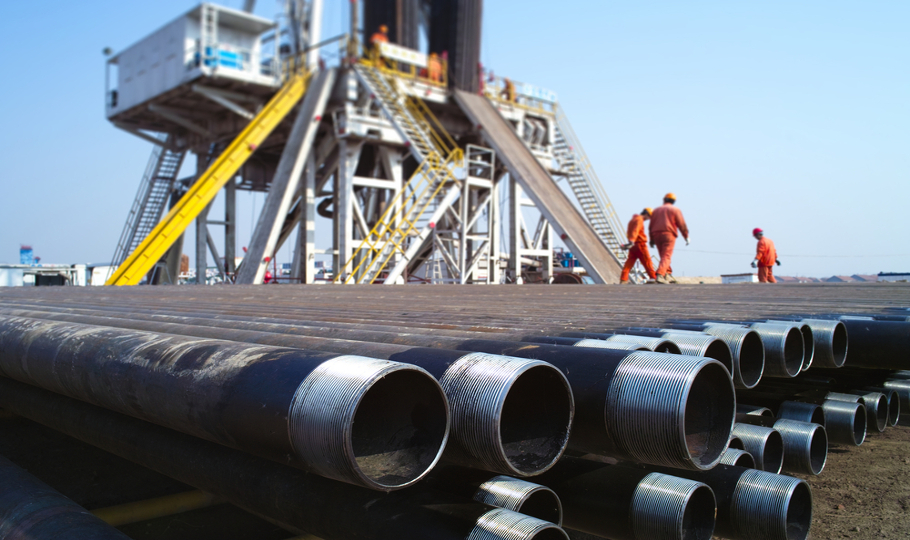 Furthermore, regulatory compliance and industry standards cannot be overlooked when selecting oil casing. Different regions have specific regulations governing the materials and methods used in oil drilling operations. Adhering to these regulations is not only a legal requirement but also a best practice that ensures the safety and environmental integrity of the project. Therefore, it is advisable to familiarize oneself with local regulations and industry standards before making a final decision on casing selection.
Lastly, cost considerations are always a factor in any project. While it may be tempting to opt for the least expensive option, it is crucial to weigh the long-term implications of such a decision. Investing in high-quality casing may incur higher upfront costs but can lead to significant savings in the long run by reducing the risk of failures, leaks, and the associated costs of remediation. Therefore, a balanced approach that considers both initial costs and long-term benefits is essential in making an informed decision.
In conclusion, selecting the right oil casing for a drilling project is a multifaceted decision that requires careful consideration of various factors, including geological conditions, fluid types, well depth, regulatory compliance, and cost. By thoroughly evaluating these elements, project managers can make informed choices that not only enhance the safety and efficiency of the drilling operation but also contribute to the overall success of the project. Ultimately, the key to choosing the right oil casing lies in a comprehensive understanding of the unique challenges and requirements of each specific project.