أهمية تخميد الاهتزاز في تطبيقات تغليف الزيت
استراتيجيات تنفيذ الحلول الفعالة لتخميد الاهتزاز في أنظمة تغليف الزيت
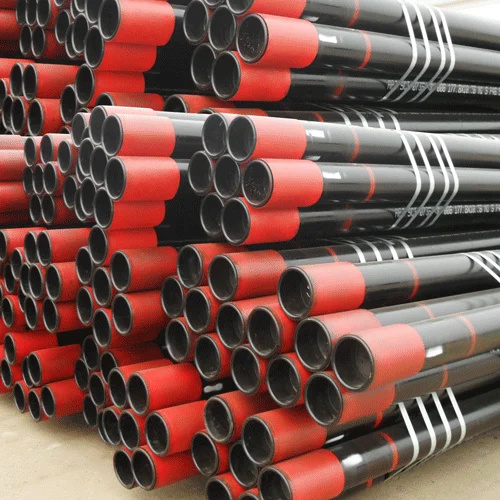
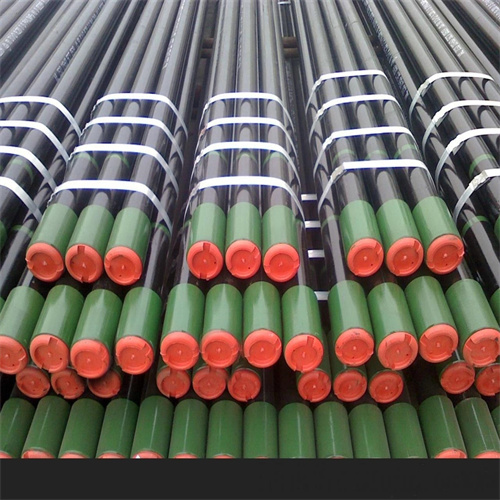
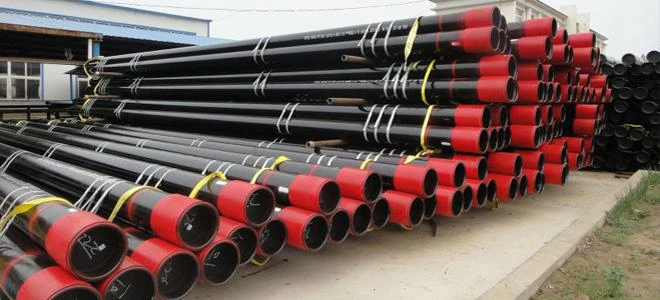
تلعب أنظمة تغليف النفط دورًا حاسمًا في صناعة النفط والغاز، حيث توفر الدعم الهيكلي والحماية للآبار. ومع ذلك، فإن هذه الأنظمة عرضة للاهتزازات التي يمكن أن تؤدي إلى تعطل المعدات ومخاطر السلامة. يعد تنفيذ حلول فعالة لتخميد الاهتزاز أمرًا ضروريًا لضمان سلامة وطول عمر أنظمة تغليف الزيت.
إحدى الإستراتيجيات الرئيسية لمعالجة مشكلات الاهتزاز في أنظمة تغليف الزيت هي استخدام مواد التخميد. تم تصميم هذه المواد لامتصاص وتبديد الطاقة الناتجة عن الاهتزازات، مما يقلل من تأثيرها على هيكل الغلاف. تشمل مواد التخميد الشائعة المطاط والبوليمرات اللزجة والمواد المركبة. ومن خلال وضع هذه المواد بشكل استراتيجي داخل نظام الغلاف، يمكن للمهندسين تخفيف الاهتزازات بشكل فعال وتحسين أداء النظام.
في الختام، يعد تنفيذ حلول فعالة لتخميد الاهتزاز في أنظمة تغليف النفط أمرًا ضروريًا لضمان الكفاءة التشغيلية والسلامة في صناعة النفط والغاز. من خلال استخدام مواد التخميد، وتحسين التصميم، ومراقبة الأداء، وتعزيز التعاون، واحتضان الابتكار، يمكن للمهندسين تخفيف مشاكل الاهتزاز وتعزيز طول عمر أنظمة غلاف الزيت. من خلال اتباع نهج شامل واستباقي لتخميد الاهتزازات، يمكن لشركات النفط حماية أصولها وتحسين عملياتها في مواجهة التحديات البيئية الديناميكية.
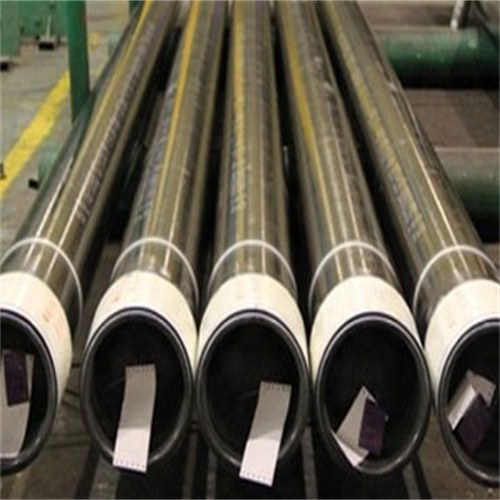
In addition to damping Materials, proper design and engineering are critical for implementing effective vibration damping solutions. Engineers must consider factors such as Casing geometry, material properties, and operating conditions when designing a damping system. By conducting thorough analysis and simulations, engineers can optimize the damping solution to meet the specific requirements of the Oil Casing system.
Furthermore, real-time monitoring and feedback mechanisms are essential for ensuring the ongoing effectiveness of vibration damping solutions. By integrating sensors and monitoring devices into the casing system, engineers can continuously assess vibration levels and performance. This data can then be used to make informed adjustments and improvements to the damping system, maximizing its efficiency and reliability.
Collaboration and communication among multidisciplinary teams are also key components of successful vibration damping implementation. Engineers, geologists, and technicians must work together to identify potential vibration sources, assess risks, and develop comprehensive damping strategies. By leveraging the expertise of each team member, oil Companies can implement holistic and effective vibration damping solutions.
Moreover, ongoing research and development in the field of vibration damping technologies are driving innovation and improvement in oil casing systems. Advancements in materials science, sensor technology, and data analytics are enabling engineers to develop more sophisticated and efficient damping solutions. By staying abreast of these developments and incorporating them into their designs, engineers can enhance the performance and reliability of oil casing systems.
In conclusion, implementing effective vibration damping solutions in oil casing systems is essential for ensuring operational efficiency and safety in the Oil and Gas industry. By utilizing damping materials, optimizing design, monitoring performance, fostering collaboration, and embracing innovation, engineers can mitigate vibration issues and enhance the longevity of oil casing systems. Through a comprehensive and proactive approach to vibration damping, oil companies can safeguard their assets and optimize their operations in the face of dynamic environmental challenges.