Umuhimu wa Upunguzaji wa Mtetemo katika Programu za Kuweka Hifadhi ya Mafuta
Mkakati wa Utekelezaji Usuluhishi Ufaao wa Kupunguza Mtetemo katika Mifumo ya Kizimba cha Mafuta
Kwa kumalizia, kutekeleza suluhu faafu za kupunguza mitetemo katika mifumo ya kabati ya mafuta ni muhimu ili kuhakikisha ufanisi wa kiutendaji na usalama katika tasnia ya mafuta na gesi. Kwa kutumia nyenzo za unyevu, kuboresha muundo, ufuatiliaji wa utendaji, kukuza ushirikiano, na kukumbatia uvumbuzi, wahandisi wanaweza kupunguza masuala ya vibration na kuongeza maisha marefu ya mifumo ya Casing ya mafuta. Kupitia mbinu ya kina na makini ya upunguzaji wa vibration, makampuni ya mafuta yanaweza kulinda mali zao na kuboresha shughuli zao katika kukabiliana na changamoto za kimazingira.
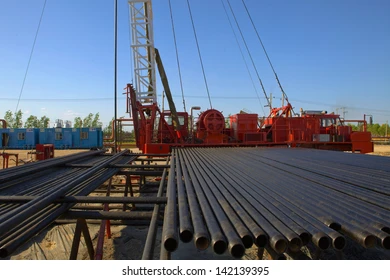
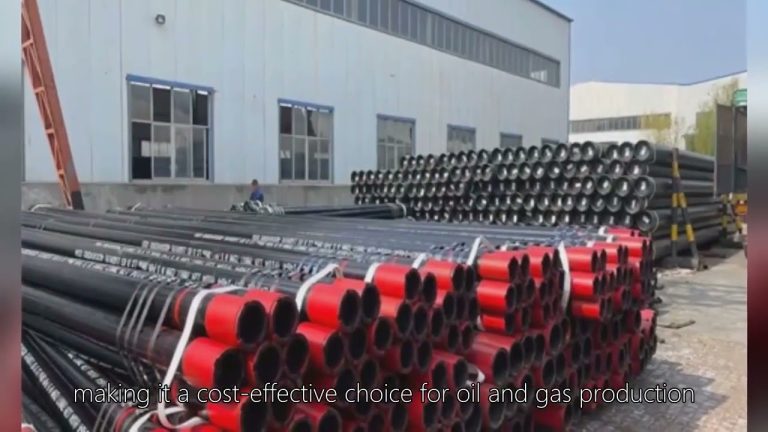
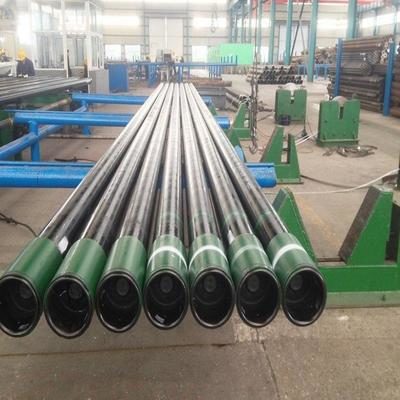
Oil Casing systems play a crucial role in the Oil and Gas industry, providing structural support and protection for wells. However, these systems are susceptible to vibrations that can lead to equipment failure and safety hazards. Implementing effective vibration damping solutions is essential to ensure the integrity and longevity of oil casing systems.
One key strategy for addressing vibration issues in oil casing systems is the use of damping Materials. These materials are designed to absorb and dissipate the energy generated by vibrations, reducing their impact on the casing structure. Common damping materials include rubber, viscoelastic polymers, and composite materials. By strategically placing these materials within the casing system, engineers can effectively mitigate vibrations and enhance system performance.
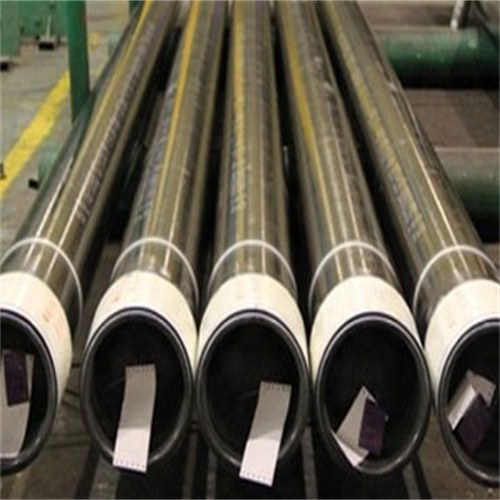
In addition to damping materials, proper design and engineering are critical for implementing effective vibration damping solutions. Engineers must consider factors such as casing geometry, material properties, and operating conditions when designing a damping system. By conducting thorough analysis and simulations, engineers can optimize the damping solution to meet the specific requirements of the oil casing system.
Furthermore, real-time monitoring and feedback mechanisms are essential for ensuring the ongoing effectiveness of vibration damping solutions. By integrating sensors and monitoring devices into the casing system, engineers can continuously assess vibration levels and performance. This data can then be used to make informed adjustments and improvements to the damping system, maximizing its efficiency and reliability.
Collaboration and communication among multidisciplinary teams are also key components of successful vibration damping implementation. Engineers, geologists, and technicians must work together to identify potential vibration sources, assess risks, and develop comprehensive damping strategies. By leveraging the expertise of each team member, oil Companies can implement holistic and effective vibration damping solutions.
Moreover, ongoing research and development in the field of vibration damping technologies are driving innovation and improvement in oil casing systems. Advancements in materials science, sensor technology, and data analytics are enabling engineers to develop more sophisticated and efficient damping solutions. By staying abreast of these developments and incorporating them into their designs, engineers can enhance the performance and reliability of oil casing systems.
In conclusion, implementing effective vibration damping solutions in oil casing systems is essential for ensuring operational efficiency and safety in the oil and gas industry. By utilizing damping materials, optimizing design, monitoring performance, fostering collaboration, and embracing innovation, engineers can mitigate vibration issues and enhance the longevity of oil casing systems. Through a comprehensive and proactive approach to vibration damping, oil companies can safeguard their assets and optimize their operations in the face of dynamic environmental challenges.