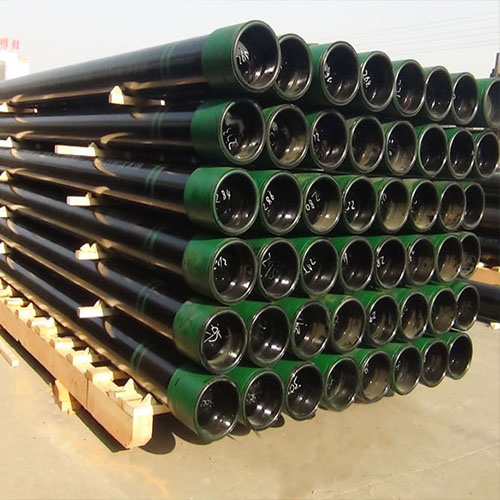
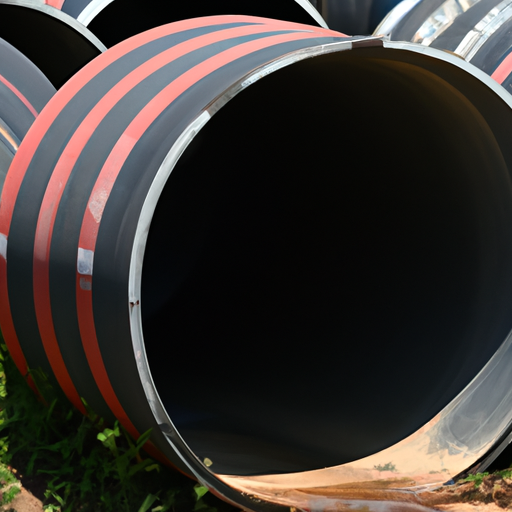
الاختيار الأمثل لغلاف الزيت: دليل شامل
هل أنت قلق للغاية بشأن اختيار غلاف الزيت؟ لا تنظر إلى أبعد من هذا الدليل الشامل لاختيار غلاف الزيت الأمثل. في صناعة النفط والغاز، يعد اختيار الغلاف المناسب أمرًا بالغ الأهمية لسلامة الآبار وكفاءة الإنتاج والسلامة البيئية. تتضمن عملية الاختيار دراسة متأنية لعوامل مختلفة، بدءًا من الظروف الجيولوجية وحتى المتطلبات التنظيمية.
أولاً وقبل كل شيء، يعد فهم الخصائص الجيولوجية لموقع البئر أمرًا ضروريًا. تتطلب التكوينات والضغوط المختلفة نقاط قوة ومواد محددة للغلاف. يقوم المهندسون بتقييم عمق الخزان وضغطه ودرجة حرارته وتآكله لتحديد درجة وحجم الغلاف المناسبين. تضمن هذه الخطوة الأولية قدرة الغلاف على تحمل الضغوط التي سيواجهها أثناء الحفر والإنتاج.
بمجرد تقييم العوامل الجيولوجية، فإن الاعتبار التالي هو الخواص الميكانيكية لمواد الغلاف. الصلب هو المادة الأكثر شيوعًا نظرًا لقوته ومتانته. يتم تصنيف قوة الغلاف حسب الدرجة، مع درجات أعلى مناسبة للآبار العميقة أو تلك التي تتعرض لضغوط أكبر. يوفر المصنعون مواصفات تفصيلية لكل درجة، مما يساعد المهندسين على مطابقة الغلاف مع متطلبات التشغيل بدقة.
تعد مقاومة التآكل جانبًا مهمًا آخر. يمكن أن تعرض آبار النفط والغاز الغلاف لبيئات شديدة التآكل، مثل التكوينات الحمضية أو المياه المالحة. يؤدي اختيار المواد المقاومة للتآكل أو تطبيق الطلاءات الواقية إلى إطالة عمر الغلاف وتقليل تكاليف الصيانة على مدى العمر التشغيلي للبئر.
علاوة على ذلك، يجب أن يستوعب تصميم غلاف البئر استراتيجيات إكمال وإنتاج البئر. تخدم سلسلة الغلاف أغراضًا متعددة، بما في ذلك دعم حفرة البئر، ومنع انهيار التكوين، وعزل المناطق الجيولوجية المختلفة لتحسين الإنتاج. يقوم المهندسون بتحديد أحجام وتكوينات التغليف التي تسهل عمليات إكمال البئر بكفاءة، مثل تشغيل الغلاف والتثبيت.
يضيف الامتثال التنظيمي طبقة أخرى من التعقيد. تفرض الحكومات والهيئات الصناعية معايير لضمان سلامة الآبار وحماية البيئة. يجب أن تتوافق مواصفات الغلاف مع هذه اللوائح أو تتجاوزها، والتي تختلف حسب المنطقة ونوع البئر. إن الالتزام بالمتطلبات التنظيمية لا يؤدي إلى تجنب العقوبات فحسب، بل يعزز أيضًا السلامة التشغيلية وثقة الجمهور في عمليات النفط والغاز.
تجنب الأخطاء الشائعة في قرارات تغليف النفط
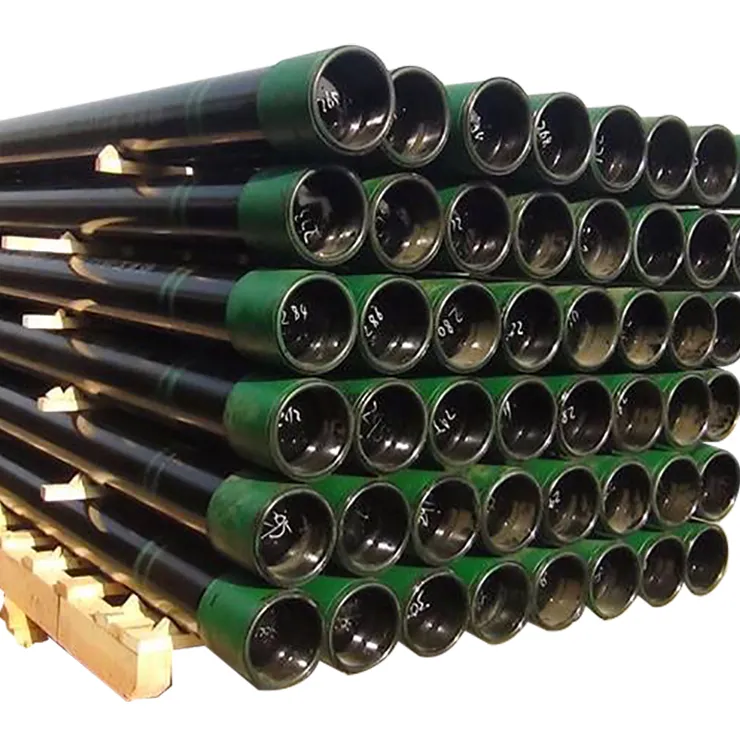
كيفية اختيار غلاف الزيت المناسب لتحقيق أقصى قدر من الكفاءة
يعد اختيار غلاف النفط المناسب قرارًا حاسمًا في صناعة النفط والغاز، مما يؤثر على الكفاءة والسلامة والفعالية من حيث التكلفة طوال عملية الاستخراج. تتضمن عملية الاختيار تقييم عوامل مختلفة لضمان الأداء الأمثل وطول عمر البئر.
أولاً، ضع في اعتبارك الظروف الجيولوجية لموقع الحفر. تتطلب التكوينات المختلفة أنواعًا معينة من الأغلفة لتحمل الضغط ودرجة الحرارة والعناصر المسببة للتآكل الموجودة تحت الأرض. يساعد إجراء مسح وتحليل جيولوجي شامل في تحديد المادة والتصميم المناسبين للغلاف.
بعد ذلك، قم بتقييم عمق البئر وقطره. ويؤثر العمق على متطلبات الطول والقوة للغلاف، بينما يحدد القطر حجم الغلاف المطلوب ليتناسب بشكل مريح داخل ثقب البئر. من الضروري اختيار غلاف يوفر الدعم الكافي ويمنع الانهيار أثناء عمليات الحفر والاستخراج.
علاوة على ذلك، قم بتقييم العوامل البيئية المحيطة بموقع الحفر. يمكن لعوامل مثل تكوين التربة وعمق منسوب المياه والقرب من الآبار أو البنية التحتية الأخرى أن تؤثر على أداء الغلاف. يمكن أن يؤدي اختيار أغلفة ذات طبقات أو سبائك مقاومة للتآكل إلى تخفيف المخاطر المرتبطة بهذه العوامل البيئية، مما يضمن طول عمر البئر وسلامته.
ضع في اعتبارك نوع النفط أو الغاز الذي يتم استخراجه وخصائصه. تتطلب السوائل المختلفة مستويات مختلفة من الاحتواء ومقاومة الضغط. يجب اختيار الأغلفة بناءً على قدرتها على تحمل الظروف والضغوط المحددة التي تمارسها السوائل التي يتم استخلاصها، مما يضمن كفاءة الإنتاج والحد الأدنى من مخاطر التسربات أو الأعطال.
هناك اعتبار حاسم آخر وهو الامتثال التنظيمي ومعايير الصناعة. يجب أن تستوفي الأغلفة لوائح السلامة والبيئة الصارمة لضمان السلامة التشغيلية وتقليل التأثير البيئي. يساعد اختيار الأغلفة المعتمدة من الشركات المصنعة ذات السمعة الطيبة على ضمان الامتثال والموثوقية في البيئات التشغيلية الصعبة.
تعد فعالية التكلفة أيضًا عاملاً مهمًا في اختيار الغلاف. على الرغم من أنه قد يكون من المغري اختيار خيارات أرخص، إلا أن الاستثمار في أغلفة متينة وعالية الجودة يمكن أن يؤدي إلى وفورات طويلة الأجل عن طريق تقليل تكاليف الصيانة ووقت التوقف المرتبط بفشل الغلاف أو عمليات الاستبدال.
يمكن أن توفر التشاور مع المهندسين ذوي الخبرة وخبراء الصناعة رؤى وتوصيات قيمة أثناء عملية اختيار الغلاف. يمكن أن تساعد خبرتهم في التنقل بين المتطلبات الفنية المعقدة وتحسين مواصفات الغلاف لتحقيق أقصى قدر من الكفاءة والأداء.
وأخيرًا، تعد المراقبة والصيانة المستمرة ضرورية لضمان استمرار سلامة وكفاءة الغلاف طوال عمره التشغيلي. يمكن لعمليات التفتيش المنتظمة ومراقبة التآكل وممارسات الصيانة الوقائية اكتشاف المشكلات المحتملة مبكرًا وإطالة عمر الغلاف.
في الختام، يتضمن اختيار غلاف الزيت المناسب تقييمًا شاملاً للعوامل الجيولوجية والتشغيلية والبيئية والتنظيمية. ومن خلال اختيار الأغلفة التي تلبي هذه المعايير والتشاور مع الخبراء، يمكن للمشغلين ضمان أقصى قدر من الكفاءة والسلامة وطول عمر آبار النفط والغاز الخاصة بهم. لا يعمل هذا النهج الاستراتيجي على تعزيز الأداء التشغيلي فحسب، بل يساهم أيضًا في ممارسات استخراج الموارد المستدامة والمسؤولة في صناعة النفط والغاز.
Gravely worried about Oil Casing choice? Look here for salvation, rescue, and purpose. Making decisions regarding oil casing in drilling operations is a critical endeavor that demands careful consideration and expertise. The choice of casing directly impacts the integrity, safety, and efficiency of Oil Wells, influencing both short-term operations and long-term production outcomes.
One of the most common pitfalls in oil casing decisions is inadequate consideration of well conditions. Each well presents unique challenges such as depth, pressure, temperature, and geological formations. Failure to thoroughly assess these factors can lead to catastrophic consequences, including casing failure, well instability, and compromised production efficiency. Therefore, conducting a comprehensive analysis of well conditions is paramount.
Another critical mistake often encountered is selecting casing based solely on initial cost considerations. While cost is undeniably a significant factor, it should not overshadow the importance of quality and suitability. Opting for cheaper casing Materials or designs that do not align with the well’s requirements can result in increased Maintenance costs, operational delays, and even environmental hazards. It is imperative to strike a balance between cost-effectiveness and long-term performance.
Furthermore, neglecting to anticipate future well conditions and operational demands can lead to suboptimal casing choices. Wells are dynamic environments where conditions can change over time due to factors such as reservoir depletion, production demands, and technological advancements. Choosing casing that accommodates future scenarios ensures resilience and adaptability, safeguarding investments and maximizing operational lifespan.
Equally crucial is the oversight of regulatory compliance and industry standards. Oil casing decisions must adhere to stringent regulatory requirements aimed at ensuring environmental protection, worker safety, and operational integrity. Non-compliance can result in legal repercussions, fines, and reputational damage. Therefore, thorough familiarity with local and international standards is indispensable in guiding casing selection and implementation processes.
Moreover, inadequate collaboration and communication among stakeholders can undermine casing decisions. Effective coordination between drilling engineers, geologists, procurement specialists, and regulatory authorities is essential for gathering diverse perspectives, aligning objectives, and mitigating risks. Harnessing collective expertise promotes informed decision-making and enhances overall project outcomes.
Additionally, overlooking the importance of casing Corrosion resistance and material durability poses significant risks. Oil wells are exposed to harsh environments, including corrosive fluids and high-pressure conditions, which can accelerate casing deterioration if not adequately addressed. Choosing corrosion-resistant materials and robust designs enhances longevity, minimizes maintenance costs, and ensures operational continuity.
Finally, failing to prioritize casing quality assurance and inspection protocols can compromise overall well integrity. Rigorous quality control measures, including Non-destructive testing and compliance audits, are indispensable in identifying manufacturing defects, material inconsistencies, and installation discrepancies. Implementing robust inspection regimes reinforces confidence in casing performance and facilitates timely remedial actions when necessary.
In conclusion, navigating the complexities of oil casing decisions demands meticulous planning, technical proficiency, and a commitment to excellence. By avoiding common pitfalls such as overlooking well conditions, fixating on initial costs, neglecting future contingencies, disregarding regulatory standards, lacking interdisciplinary collaboration, ignoring corrosion resistance, and overlooking quality assurance, stakeholders can mitigate risks and optimize outcomes. Upholding these principles ensures that oil casing choices align with operational needs, regulatory obligations, and long-term sustainability goals, ultimately fostering resilience and success in drilling operations.
How to choose the Right Oil Casing for Maximum Efficiency
Choosing the right oil casing is a critical decision in the Oil and Gas industry, impacting efficiency, safety, and cost-effectiveness throughout the extraction process. The selection process involves evaluating various factors to ensure optimal performance and longevity of the well.
Firstly, consider the geological conditions of the drilling site. Different formations require specific types of casings to withstand the pressure, temperature, and corrosive elements present underground. Conducting a thorough geological survey and analysis helps determine the appropriate material and design for the casing.
Next, assess the depth and Diameter of the well. The depth influences the Length and strength requirements of the casing, while the diameter determines the size of the casing needed to fit snugly within the borehole. It is crucial to choose a casing that provides adequate support and prevents collapse during drilling and extraction operations.
Furthermore, evaluate the environmental factors surrounding the drilling site. Factors such as soil composition, water table depth, and proximity to other wells or infrastructure can impact casing performance. Selecting casings with corrosion-resistant coatings or alloys can mitigate risks associated with these environmental factors, ensuring the longevity and integrity of the well.
Consider the type of oil or gas being extracted and its characteristics. Different fluids require different levels of containment and pressure resistance. Casings must be cHosen based on their ability to withstand the specific conditions and pressures exerted by the fluids being extracted, ensuring efficient production and minimal risk of leaks or failures.
Another critical consideration is regulatory compliance and industry standards. Casings must meet stringent safety and environmental regulations to ensure operational integrity and minimize environmental impact. Choosing certified casings from reputable Manufacturers helps guarantee compliance and reliability in challenging operational environments.
Cost-effectiveness is also a significant factor in casing selection. While it may be tempting to opt for cheaper options, investing in high-quality, durable casings can lead to long-term savings by reducing maintenance costs and downtime associated with casing failures or replacements.
Consulting with experienced engineers and industry experts can provide valuable insights and recommendations during the casing selection process. Their expertise can help navigate complex technical requirements and optimize casing specifications to maximize efficiency and performance.
Lastly, ongoing monitoring and maintenance are essential to ensure the contiNued integrity and efficiency of the casing throughout its operational life. Regular inspections, corrosion monitoring, and preventive maintenance practices can detect potential issues early and extend the lifespan of the casing.
In conclusion, choosing the right oil casing involves a comprehensive evaluation of geological, operational, environmental, and regulatory factors. By selecting casings that meet these criteria and consulting with experts, operators can ensure maximum efficiency, safety, and longevity of their oil and gas wells. This strategic approach not only enhances operational performance but also contributes to sustainable and responsible resource extraction practices in the oil and gas industry.