**Understanding Corrosion Mechanisms in Oil Casing Applications**
Corrosion is a significant concern in oil casing applications, as it can lead to catastrophic failures, environmental hazards, and substantial economic losses. Understanding the mechanisms of corrosion is essential for selecting appropriate anticorrosion Materials that can withstand the specific conditions encountered in oil extraction and transportation. Corrosion in oil casing primarily occurs due to the interaction between the metal casing and various environmental factors, including moisture, temperature fluctuations, and the presence of corrosive substances such as hydrogen sulfide, carbon dioxide, and chlorides. These factors can accelerate the degradation of the casing material, necessitating a thorough understanding of the corrosion processes involved.
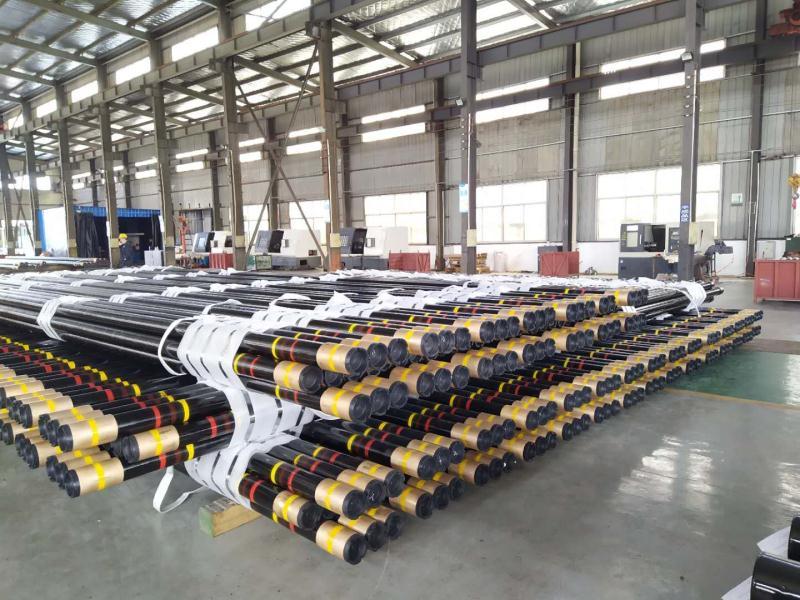
One of the primary mechanisms of corrosion in oil casing applications is electrochemical corrosion, which occurs when there is an electrochemical reaction between the metal and its environment. This reaction typically involves the transfer of electrons from the metal to the corrosive agents present in the environment, leading to the formation of corrosion products that can compromise the integrity of the casing. Additionally, localized corrosion phenomena, such as pitting and crevice corrosion, can occur in areas where the protective oxide layer on the metal surface is disrupted. These localized attacks can be particularly damaging, as they can lead to the formation of small holes or pits that may not be immediately visible but can significantly weaken the casing over time.
Moreover, microbiologically influenced corrosion (MIC) is another critical aspect to consider in oil casing applications. This type of corrosion is caused by the metabolic activities of microorganisms, such as bacteria and fungi, which can thrive in the presence of hydrocarbons and moisture. These microorganisms can produce corrosive byproducts, such as organic acids, that further accelerate the degradation of the casing material. Understanding the specific microbial communities present in the oil environment is crucial for selecting effective anticorrosion materials and implementing appropriate mitigation strategies.
In addition to these mechanisms, the temperature and pressure conditions in Oil Wells can also influence the rate of corrosion. high temperatures can increase the solubility of corrosive Gases, while elevated pressures can exacerbate the effects of stress corrosion cracking. Therefore, it is essential to consider the operational conditions when selecting anticorrosion materials. For instance, materials that perform well under moderate temperatures may not be suitable for high-temperature applications, where more robust solutions are required.
When making a gainful choice of anticorrosion materials for oil casing applications, it is vital to conduct a comprehensive assessment of the specific environmental conditions and the types of corrosion mechanisms that may be at play. This assessment should include an analysis of the chemical composition of the fluids being transported, the presence of corrosive agents, and the operational parameters of the oil well. By understanding these factors, engineers and decision-Makers can select materials that offer the best protection against corrosion while also considering factors such as cost, availability, and ease of installation.
oil Pipeline Company Furthermore, advancements in material science have led to the development of various anticorrosion coatings and treatments that can enhance the performance of traditional casing materials. These coatings can provide a barrier against corrosive agents, while also improving the overall durability and lifespan of the casing. In conclusion, a thorough understanding of corrosion mechanisms in oil casing applications is essential for making informed decisions regarding the selection of anticorrosion materials. By considering the specific environmental conditions and employing advanced materials and coatings, it is possible to mitigate the risks associated with corrosion and ensure the long-term integrity of oil casing systems.
**Evaluating Material Properties for Anticorrosion Effectiveness in Oil Casing**
When it comes to the Oil and Gas industry, the integrity of oil casing is paramount, particularly in environments that are prone to corrosion. The selection of an appropriate anticorrosion material is crucial for ensuring the longevity and reliability of oil casing systems. To make a gainful choice of anticorrosion material, one must first evaluate the specific application occasion, which includes understanding the environmental conditions, the type of fluids being transported, and the mechanical stresses that the casing will encounter.
The first step in this evaluation process is to consider the environmental factors that can contribute to corrosion. For instance, the presence of water, particularly saline water, can significantly accelerate the corrosion process. Additionally, the temperature and pressure conditions of the environment play a critical role in determining the rate of corrosion. High temperatures can enhance the corrosive effects of certain chemicals, while high pressures can lead to stress corrosion cracking. Therefore, it is essential to gather comprehensive data on the environmental conditions to identify the most suitable anticorrosion materials.
Once the environmental conditions are understood, the next step is to analyze the properties of potential anticorrosion materials. Various materials, such as Carbon Steel, Stainless Steel, and specialized alloys, exhibit different levels of resistance to corrosion. For example, stainless steel is known for its excellent Corrosion resistance due to the presence of chromium, which forms a protective oxide layer on the surface. However, the cost of stainless steel can be significantly higher than that of carbon steel, which may not be suitable for all applications. Thus, a cost-benefit analysis is necessary to determine whether the enhanced performance of a more expensive material justifies the investment.
In addition to material composition, the surface treatment of the casing can also influence its anticorrosion effectiveness. Techniques such as galvanization, coating, and the application of corrosion inhibitors can enhance the protective qualities of the casing material. For instance, a zinc coating can provide sacrificial protection to the underlying steel, thereby extending its lifespan in corrosive environments. Furthermore, the choice of coating material should be compatible with the fluids being transported to avoid any adverse chemical reactions that could compromise the integrity of the casing.
Moreover, it is essential to consider the mechanical properties of the anticorrosion material. The material must not only resist corrosion but also withstand the mechanical stresses imposed during installation and operation. Factors such as tensile strength, ductility, and toughness are critical in ensuring that the casing can endure the dynamic conditions of oil extraction. Therefore, conducting mechanical testing and evaluating the material’s performance under simulated operational conditions can provide valuable insights into its suitability for the specific application.
Finally, it is important to stay informed about advancements in material science and technology, as new anticorrosion materials and treatments are continually being developed. innovations such as nanotechnology-based coatings and advanced composite materials may offer enhanced protection against corrosion while also being lightWeight and cost-effective. Engaging with industry experts and participating in relevant research can help in making informed decisions regarding the selection of anticorrosion materials.
In conclusion, making a gainful choice of oil casing anticorrosion material requires a thorough evaluation of environmental conditions, material properties, surface treatments, mechanical characteristics, and ongoing advancements in technology. By systematically analyzing these factors, one can select the most effective anticorrosion solution tailored to the specific application occasion, ultimately ensuring the reliability and longevity of oil casing systems in challenging environments.