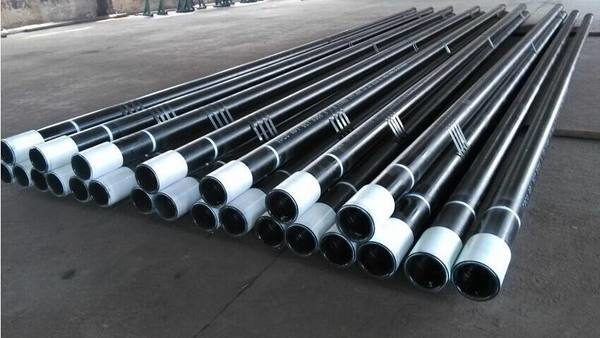
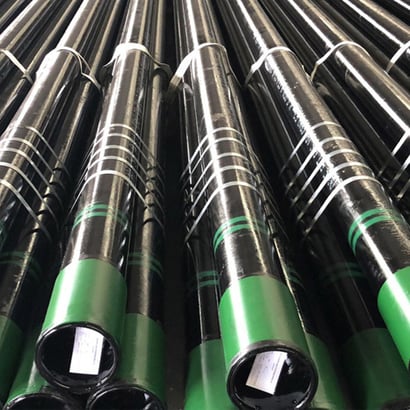
فوائد استخدام غلاف النفط في عمليات التنقيب عن النفط
أنابيب التغليف، غلاف أنابيب الآبار، غلاف الأنابيب العليا، الغلاف مقابل الأنابيب الحاملة، غلاف أنابيب التيار المتردد، غلاف الأنابيب الفولاذية، حجم أنبوب التغليف، غلاف سعر الأنابيب البلاستيكية، أنابيب التغليف، موردي أنابيب التغليف في الصين، غلاف أنابيب السد، حفر الغلاف الأنابيب ، الأنابيب الناقلة ، حجم أنبوب الغلاف ، شفة البطانة ، جلبة البطانة ، البطانة ، ذراع البطانة ، محمل البطانة ، مخفض البطانة ، أداة البطانة ، البطانة البلاستيكية ، معنى البطانة
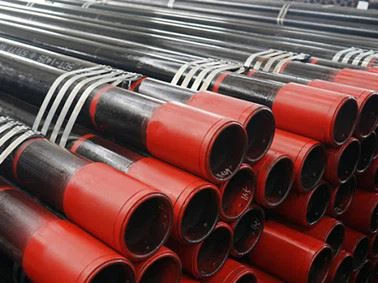
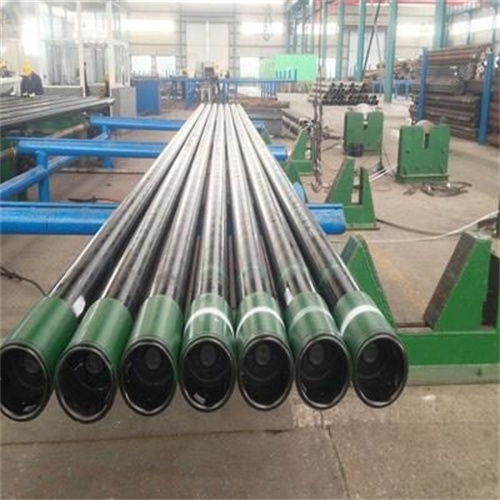
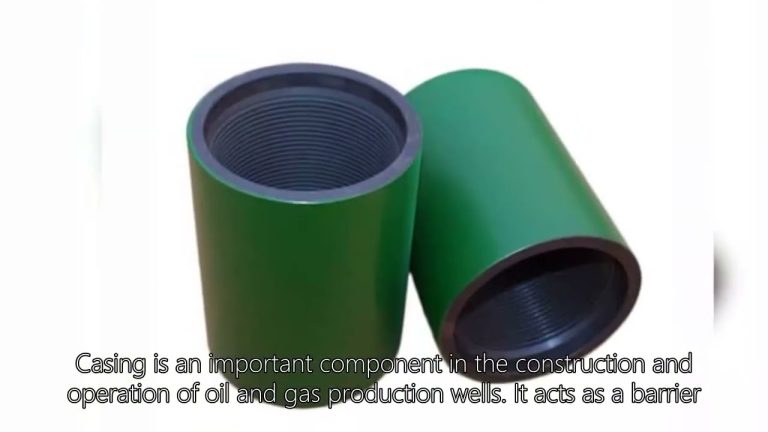
Oil Pump Screen Assy علاوة على ذلك، يعمل غلاف الزيت كقناة لاستخراج النفط والغاز من الخزان إلى السطح. من خلال تبطين حفرة البئر، يمنع الغلاف سوائل التكوين من التسرب إلى طبقات الصخور المحيطة، مما يقلل من خطر التلوث ويضمن كفاءة الإنتاج. بالإضافة إلى ذلك، يسهل التغليف تركيب معدات قاع البئر مثل المضخات والصمامات، مما يتيح إجراء عملية الاستخراج بسلاسة وفعالية.
ميزة أخرى مهمة لاستخدام الغلاف النفطي هو دوره في عزل التكوينات الجيولوجية المختلفة. في العديد من مكامن النفط، تحتوي طبقات متعددة من الصخور على مستويات مختلفة من الضغط وتكوين السوائل. ويوفر الغلاف حاجزاً بين هذه التكوينات، مما يمنع اختلاط السوائل ويضمن سلامة البئر. من خلال عزل مناطق مختلفة، يسمح الغلاف بالإنتاج الانتقائي من طبقات خزان محددة، مما يزيد من استخلاص النفط إلى أقصى حد ويحسن أداء البئر.
علاوة على ذلك، فإن غلاف الزيت يعزز إجراءات التحكم والسلامة في الآبار. في حالة حدوث انفجار أو حادث السيطرة على البئر، يعمل الغلاف كحاجز أساسي لاحتواء الضغط والسوائل داخل حفرة البئر. ويمنع هذا الاحتواء الأضرار البيئية، ويحمي العاملين على منصة الحفر، ويقلل من خطر حدوث انفجار كارثي. كما يسهل وجود الغلاف أيضًا تنفيذ إجراءات التحكم في البئر مثل التدعيم والتحكم في الضغط، مما يعزز السلامة العامة لعملية الحفر.
بالإضافة إلى ذلك، يوفر غلاف النفط الدعم الهيكلي للبئر، مما يزيد من طول عمره ومتانته. من خلال تعزيز حفرة البئر، يمنع الغلاف من الانهيار أو التشوه تحت وطأة التكوينات الصخرية المغطاة. وتضمن هذه السلامة الهيكلية استقرار البئر على المدى الطويل، مما يسمح بمواصلة الإنتاج على مدى فترة طويلة.
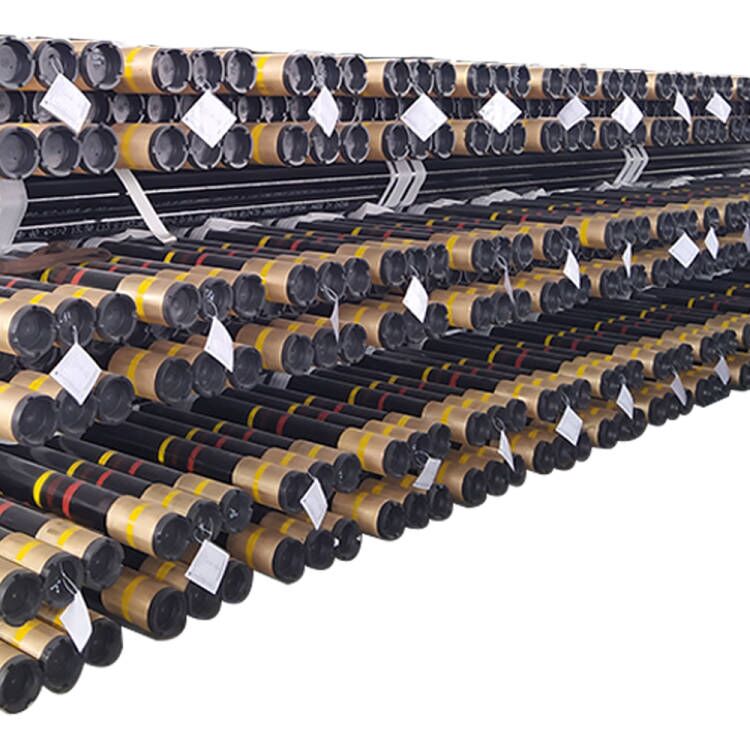
الاعتبارات الأساسية عند اختيار غلاف الزيت لظروف الآبار المختلفة
يلعب غلاف النفط دورًا حاسمًا في حفر واستكمال آبار النفط، مما يوفر الدعم الهيكلي ويحافظ على سلامة الآبار. يعد اختيار النوع المناسب من الغلاف أمرًا ضروريًا لضمان نجاح البئر وطول عمره. عند اختيار غلاف النفط، يجب أن تؤخذ في الاعتبار عوامل مختلفة، بما في ذلك ظروف البئر، وعمق البئر، ونوع المكمن، ومعدلات الإنتاج المتوقعة. في هذه المقالة، سنناقش الاعتبارات الأساسية عند اختيار غلاف النفط لظروف الآبار المختلفة.
في الختام، يعد اختيار غلاف النفط المناسب لظروف البئر المختلفة جانبًا حاسمًا في تصميم الآبار وبنائها. ومن خلال النظر في عوامل مثل ظروف البئر، والعمق، ونوع الخزان، ومعدلات الإنتاج، يمكن للمهندسين اختيار مواد الغلاف والتصميمات الأكثر ملاءمة لضمان سلامة وأداء البئر. يعد التخطيط والتحليل والتعاون المناسب بين فرق الحفر والإكمال أمرًا ضروريًا للتغلب بنجاح على تعقيدات اختيار أغلفة النفط. ومن خلال الالتزام بأفضل الممارسات ومعايير الصناعة، يمكن للمشغلين تحسين أداء الآبار وتقليل المخاطر وزيادة العائد على الاستثمار في أنشطة التنقيب عن النفط والغاز وإنتاجهما.
Oil Casing plays a crucial role in the drilling and completion of Oil Wells, providing structural support and maintaining well integrity. Selecting the right type of casing is essential to ensure the success and longevity of the well. When choosing oil casing, various factors must be taken into consideration, including the well conditions, the depth of the well, the type of reservoir, and the anticipated production rates. In this article, we will discuss key considerations when selecting oil casing for different well conditions.
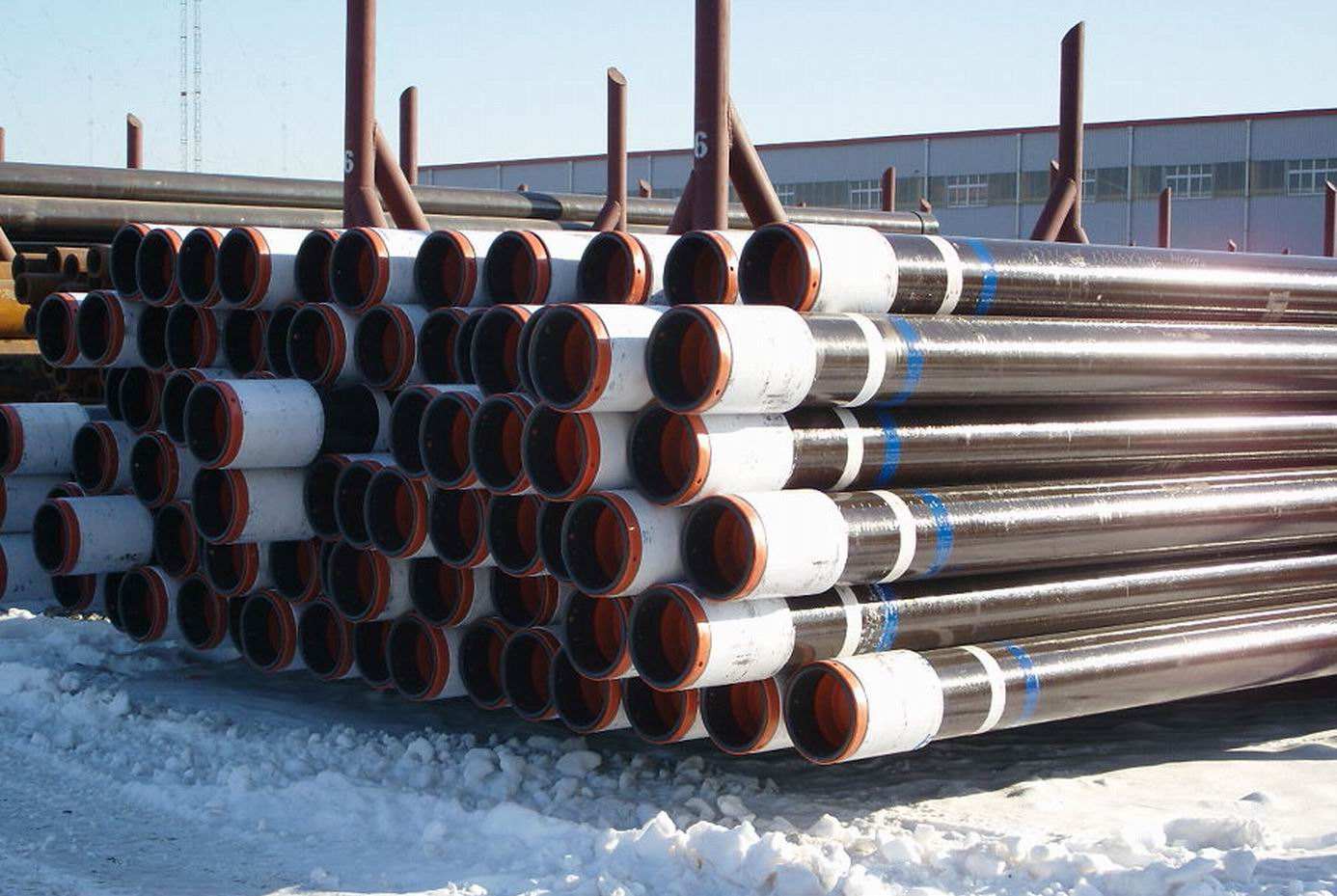
One of the primary factors to consider when choosing oil casing is the well conditions. Different well conditions require different types of casing to ensure optimal performance. For example, in high-pressure and high-temperature wells, Premium casing grades with enhanced mechanical properties and Corrosion resistance are typically used to withstand the harsh operating conditions. On the other hand, in low-pressure wells, less expensive casing grades may be sufficient to meet the well requirements.
Another important consideration is the depth of the well. Deeper wells require casing with higher collapse resistance to withstand the increased external pressure exerted on the casing walls. Additionally, the Weight of the Casing string must also be carefully calculated to prevent buckling or collapse during installation. Proper planning and selection of casing sizes and grades are essential to ensure the integrity of the wellbore and prevent costly failures.
The type of reservoir is another critical factor that influences the selection of oil casing. Different reservoir characteristics, such as fluid composition, pressure, and temperature, can impact the performance of the casing. For example, in reservoirs with high levels of corrosive fluids, corrosion-resistant casing Materials must be used to prevent degradation and ensure the longevity of the well. Understanding the reservoir conditions and selecting appropriate casing materials are vital to protecting the well and maximizing production efficiency.
Anticipated production rates also play a significant role in determining the type of casing to be used. Wells with high production rates may require heavier casing strings to withstand the increased mechanical loads and pressures. Additionally, the casing design must take into account factors such as casing centralization, Cementing practices, and wellbore stability to ensure proper wellbore isolation and integrity. Careful consideration of production rates and associated factors is essential to prevent production disruptions and ensure the long-term success of the well.
In conclusion, selecting the right oil casing for different well conditions is a critical aspect of well design and Construction. By considering factors such as well conditions, depth, reservoir type, and production rates, engineers can choose the most suitable casing materials and designs to ensure the integrity and performance of the well. Proper planning, analysis, and collaboration among drilling and completion teams are essential to successfully navigate the complexities of oil casing selection. By adhering to best practices and industry standards, operators can optimize well performance, minimize risks, and maximize the return on investment in Oil and Gas exploration and production activities.