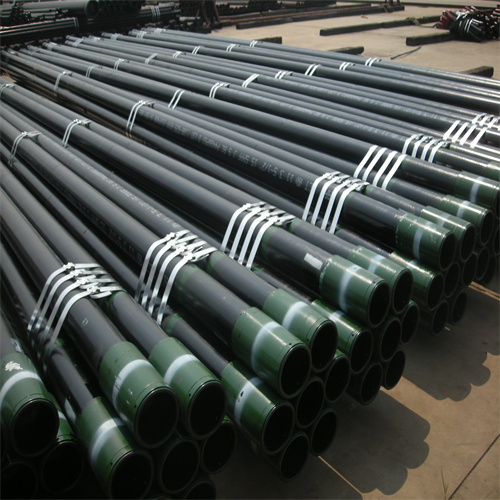
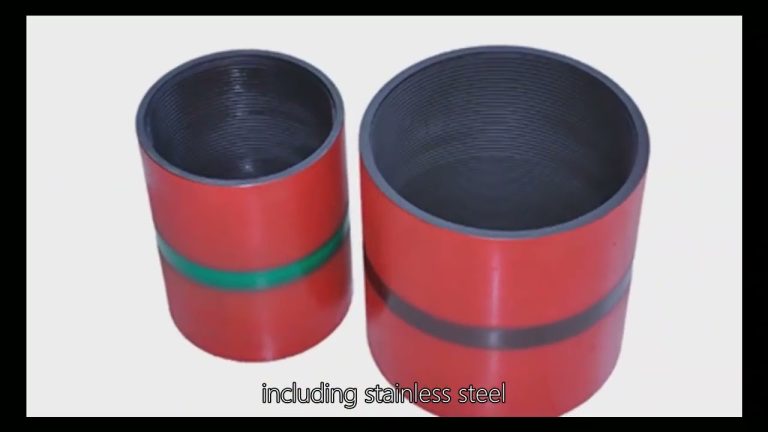
তেল ড্রিলিং অপারেশনে তেল আবরণ ব্যবহারের সুবিধাগুলি
কেসিং পাইপ, কেসিং ওয়েল পাইপ, কেসিং সুপ্রিম পাইপ, কেসিং বনাম ক্যারিয়ার পাইপ, এসি পাইপের কেসিং, কেসিং স্টিল পাইপ, কেসিং পাইপের আকার, কেসিং পিভিসি পাইপের দাম, কেসিং পাইপ, কেসিং পাইপ সরবরাহকারী চীনে, কেসিং পাইপ, কেসিং ড্রিল পাইপ, ক্যারিয়ার পাইপ, কেসিং পাইপের আকার, বুশিং ফ্ল্যাঞ্জ, বুশিং হাতা, বুশিং, বুশিং আর্ম, বুশিং বিয়ারিং, বুশিং রিডুসার, বুশিং টুল, বুশিং পিভিসি, বুশিং অর্থ
উপসংহারে, তেল তুরপুন ক্রিয়াকলাপে তেল আবরণ ব্যবহারের সুবিধাগুলি বহুমুখী এবং নিষ্কাশন প্রক্রিয়ার সাফল্যের জন্য অপরিহার্য। কূপ পতন রোধ থেকে শুরু করে উৎপাদন সহজতর করা এবং নিরাপত্তা ব্যবস্থা বাড়ানো, তেলের আবরণ তেল তুরপুন কার্যক্রমের দক্ষতা, উৎপাদনশীলতা এবং স্থায়িত্ব নিশ্চিত করতে গুরুত্বপূর্ণ ভূমিকা পালন করে। তেল আবরণের সুবিধাগুলি বোঝার এবং উপলব্ধি করার মাধ্যমে, তেল এবং গ্যাস শিল্পের স্টেকহোল্ডাররা তাদের ড্রিলিং অপারেশনগুলির কার্যকারিতা এবং সুরক্ষাকে অনুকূল করে এমন জ্ঞাত সিদ্ধান্ত নিতে পারে৷
বিভিন্ন ভাল অবস্থার জন্য তেল আবরণ নির্বাচন করার সময় মূল বিবেচ্য বিষয়গুলি
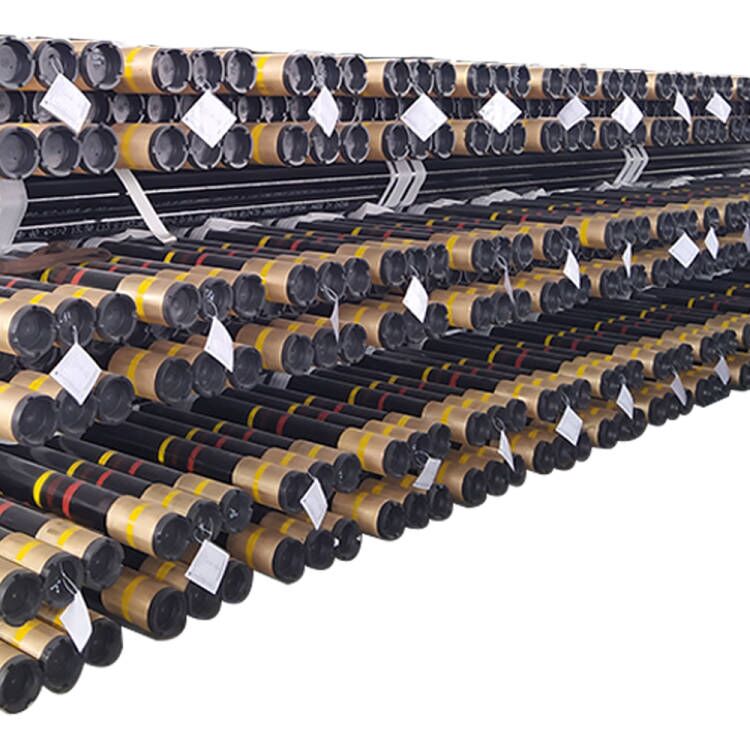
তেল আবরণ তেল কূপ খনন এবং সমাপ্তিতে একটি গুরুত্বপূর্ণ ভূমিকা পালন করে, কাঠামোগত সহায়তা প্রদান করে এবং ভাল অখণ্ডতা বজায় রাখে। কূপের সাফল্য এবং দীর্ঘায়ু নিশ্চিত করার জন্য সঠিক ধরনের আবরণ নির্বাচন করা অপরিহার্য। তেলের আবরণ নির্বাচন করার সময়, কূপের অবস্থা, কূপের গভীরতা, জলাধারের ধরন এবং প্রত্যাশিত উৎপাদন হার সহ বিভিন্ন বিষয় বিবেচনায় নিতে হবে। এই নিবন্ধে, আমরা বিভিন্ন ভাল অবস্থার জন্য তেলের আবরণ নির্বাচন করার সময় মূল বিবেচ্য বিষয়গুলি নিয়ে আলোচনা করব৷
উপসংহারে, বিভিন্ন কূপ অবস্থার জন্য সঠিক তেলের আবরণ নির্বাচন করা কূপ নকশা এবং নির্মাণের একটি গুরুত্বপূর্ণ দিক। কূপের অবস্থা, গভীরতা, জলাধারের ধরন এবং উৎপাদন হারের মতো বিষয়গুলি বিবেচনা করে, প্রকৌশলীরা কূপের অখণ্ডতা এবং কার্যকারিতা নিশ্চিত করতে সবচেয়ে উপযুক্ত কেসিং উপকরণ এবং নকশা বেছে নিতে পারেন। তেল আবরণ নির্বাচনের জটিলতা সফলভাবে নেভিগেট করার জন্য ড্রিলিং এবং সমাপ্তি দলগুলির মধ্যে সঠিক পরিকল্পনা, বিশ্লেষণ এবং সহযোগিতা অপরিহার্য। সর্বোত্তম অনুশীলন এবং শিল্পের মানগুলি মেনে চলার মাধ্যমে, অপারেটররা ভাল কার্যকারিতা অপ্টিমাইজ করতে পারে, ঝুঁকি হ্রাস করতে পারে এবং তেল ও গ্যাস অনুসন্ধান এবং উত্পাদন কার্যক্রমে বিনিয়োগের উপর রিটার্ন সর্বাধিক করতে পারে৷
Key Considerations When Selecting Oil Casing for Different Well Conditions
Oil casing plays a crucial role in the drilling and completion of Oil Wells, providing structural support and maintaining well integrity. Selecting the right type of casing is essential to ensure the success and longevity of the well. When choosing oil casing, various factors must be taken into consideration, including the well conditions, the depth of the well, the type of reservoir, and the anticipated production rates. In this article, we will discuss key considerations when selecting oil casing for different well conditions.
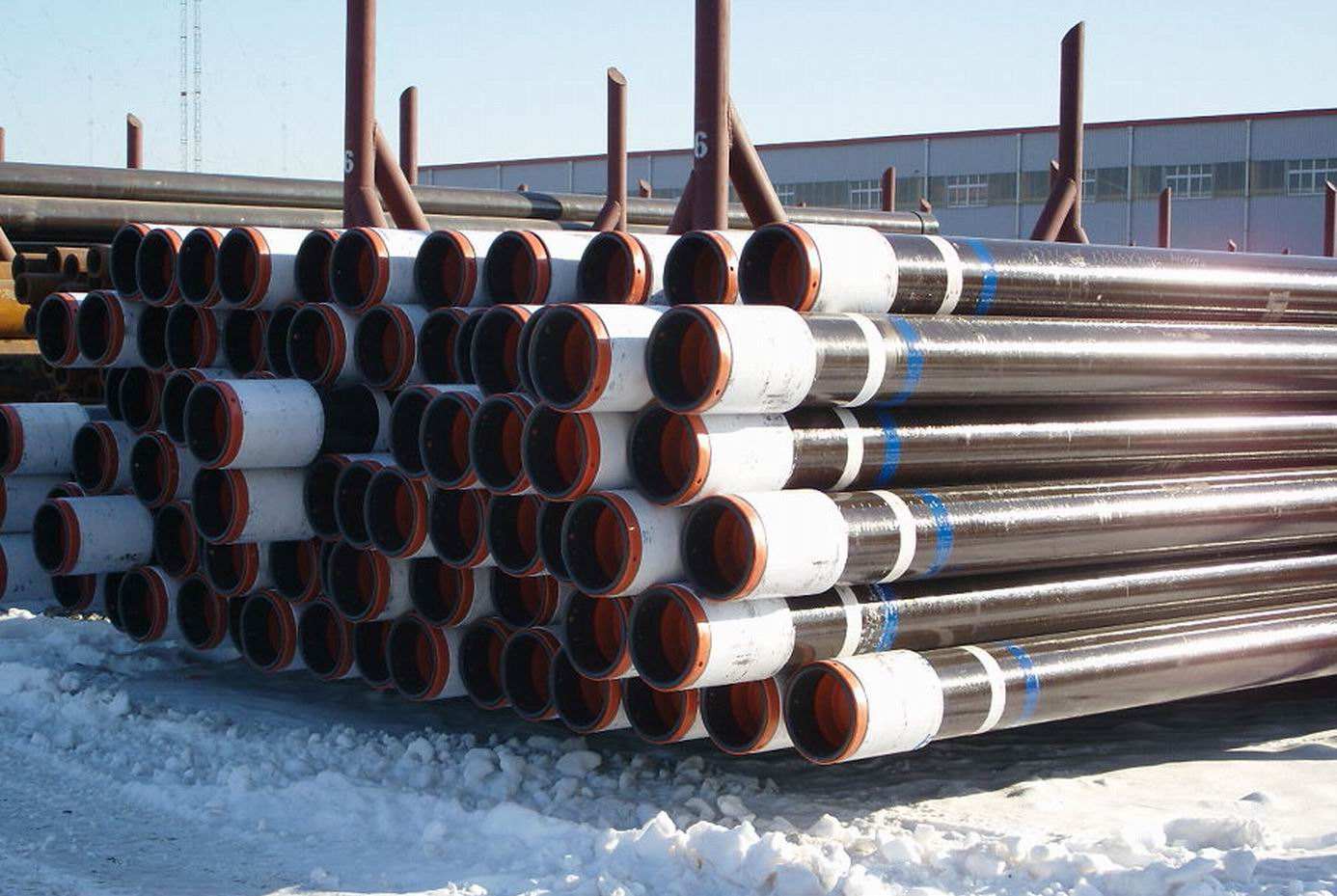
One of the primary factors to consider when choosing oil casing is the well conditions. Different well conditions require different types of casing to ensure optimal performance. For example, in high-pressure and high-temperature wells, Premium casing grades with enhanced mechanical properties and Corrosion resistance are typically used to withstand the harsh operating conditions. On the other hand, in low-pressure wells, less expensive casing grades may be sufficient to meet the well requirements.
Another important consideration is the depth of the well. Deeper wells require casing with higher collapse resistance to withstand the increased external pressure exerted on the casing walls. Additionally, the Weight of the Casing string must also be carefully calculated to prevent buckling or collapse during installation. Proper planning and selection of casing sizes and grades are essential to ensure the integrity of the wellbore and prevent costly failures.
The type of reservoir is another critical factor that influences the selection of oil casing. Different reservoir characteristics, such as fluid composition, pressure, and temperature, can impact the performance of the casing. For example, in reservoirs with high levels of corrosive fluids, corrosion-resistant casing Materials must be used to prevent degradation and ensure the longevity of the well. Understanding the reservoir conditions and selecting appropriate casing materials are vital to protecting the well and maximizing production efficiency.
Anticipated production rates also play a significant role in determining the type of casing to be used. Wells with high production rates may require heavier casing strings to withstand the increased mechanical loads and pressures. Additionally, the casing design must take into account factors such as casing centralization, Cementing practices, and wellbore stability to ensure proper wellbore isolation and integrity. Careful consideration of production rates and associated factors is essential to prevent production disruptions and ensure the long-term success of the well.
In conclusion, selecting the right oil casing for different well conditions is a critical aspect of well design and Construction. By considering factors such as well conditions, depth, reservoir type, and production rates, engineers can choose the most suitable casing materials and designs to ensure the integrity and performance of the well. Proper planning, analysis, and collaboration among drilling and completion teams are essential to successfully navigate the complexities of oil casing selection. By adhering to best practices and industry standards, operators can optimize well performance, minimize risks, and maximize the return on investment in Oil and Gas exploration and production activities.