ممارسات الاستدامة في تكنولوجيا تغليف الزيت
وصلات أنابيب النفط
ابتكارات في مواد تغليف الزيوت للحفاظ على البيئة
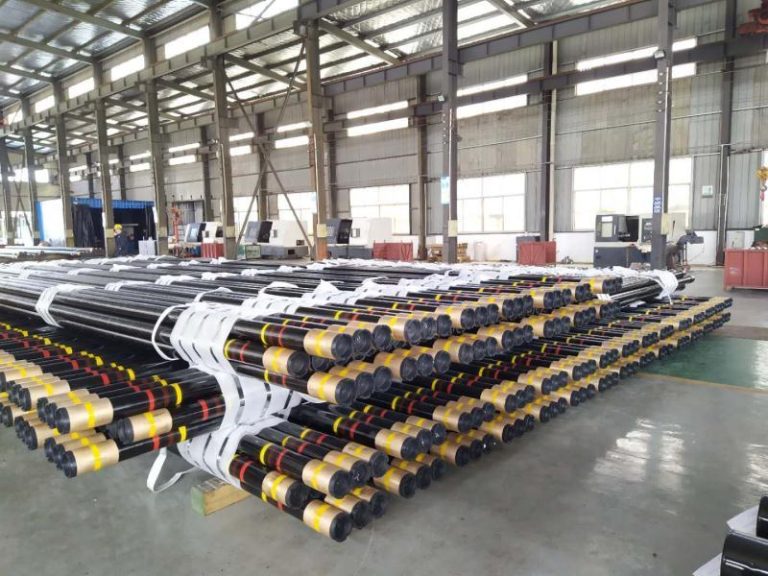
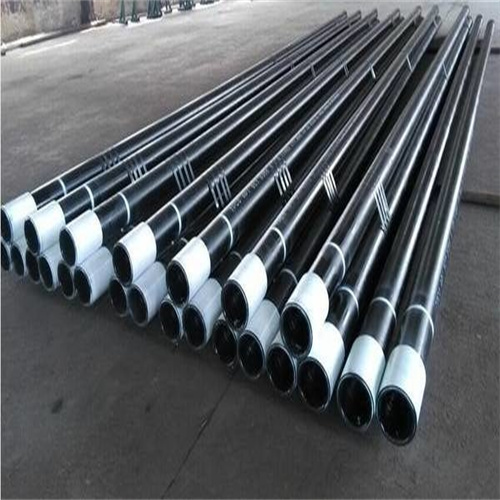
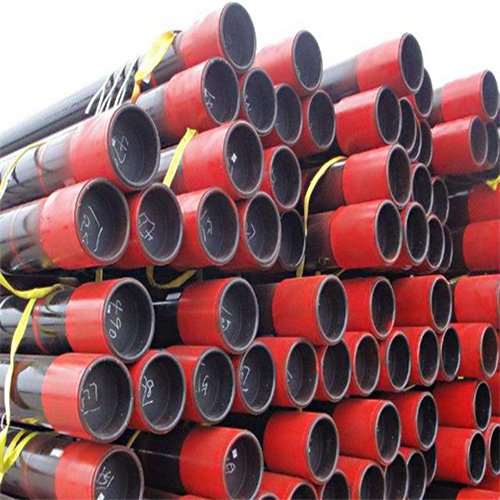
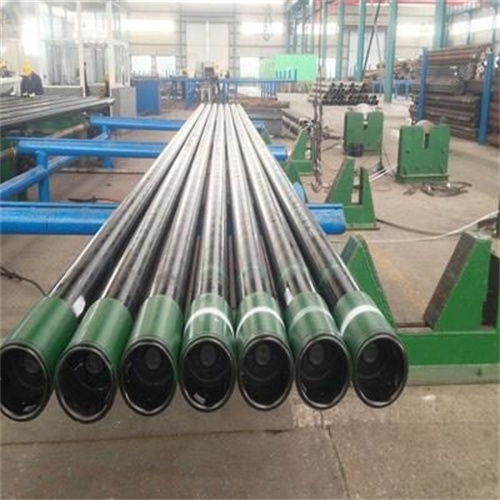
تلعب تكنولوجيا أغلفة النفط دورًا حاسمًا في صناعة النفط والغاز، حيث توفر الدعم الهيكلي والحماية للآبار. نظرًا لأن الصناعة تواجه ضغوطًا متزايدة للعمل بطريقة مستدامة بيئيًا، فقد أصبحت الابتكارات في مواد أغلفة النفط ضرورية لمواجهة التحديات واغتنام الفرص في هذا المشهد المتطور.
تقليديًا، كانت أغلفة النفط في الغالب مصنوعة من الفولاذ بسبب قوتها. والمتانة. ومع ذلك، فإن إنتاج واستخدام أغلفة الصلب يأتي مع آثار بيئية، بما في ذلك ارتفاع استهلاك الطاقة وانبعاثات الكربون. واستجابة لهذه التحديات، قامت الصناعة باستكشاف مواد بديلة تقدم أداءً مشابهًا مع تقليل التأثير البيئي.
أحد الابتكارات الرئيسية في مواد تغليف النفط هو تطوير الأغلفة المركبة. تجمع هذه الأغلفة بين مواد مختلفة مثل ألياف الكربون والألياف الزجاجية والراتنجات لإنشاء بديل خفيف الوزن ولكنه قوي للأغلفة الفولاذية التقليدية. لا تقلل الأغلفة المركبة من الوزن الإجمالي لسلسلة الغلاف فحسب، مما يجعل التركيب والتعامل أسهل، ولكن لديها أيضًا القدرة على تقليل انبعاثات الكربون المرتبطة بإنتاج الغلاف.
علاوة على ذلك، فإن استخدام المواد المركبة في غلاف الزيت يمكن أن يعزز مقاومة التآكل، إطالة عمر الآبار وتقليل الحاجة إلى الاستبدالات المتكررة. وهذا لا يؤدي إلى تحسين الكفاءة التشغيلية فحسب، بل يساهم أيضًا في الحفاظ على البيئة عن طريق تقليل توليد النفايات.
بالإضافة إلى المواد المركبة، فتحت التطورات في تكنولوجيا النانو إمكانيات جديدة لابتكار أغلفة النفط. توفر أغلفة المركبات النانوية، التي تدمج الجسيمات النانوية في مواد الغلاف التقليدية، خصائص ميكانيكية محسنة ومقاومة للتآكل. يمكن لهذه المركبات النانوية أن تتحمل الظروف القاسية في قاع البئر، مما يؤدي إلى آبار طويلة الأمد وتقليل التأثير البيئي من خلال تقليل استخدام المواد.
علاوة على ذلك، فإن دمج التقنيات الذكية في تصميم أغلفة النفط يحدث ثورة في طريقة مراقبة الآبار وصيانتها. يمكن للأغلفة الذكية المجهزة بأجهزة استشعار أن توفر بيانات في الوقت الفعلي حول سلامة الغلاف ودرجة الحرارة والضغط، مما يسمح للمشغلين باكتشاف المشكلات المحتملة مبكرًا ومنع الأعطال المكلفة. من خلال تمكين الصيانة الاستباقية وتقليل مخاطر الحوادث البيئية، تساهم الأغلفة الذكية في كل من الكفاءة التشغيلية والإشراف البيئي.
مع استمرار صناعة النفط والغاز في التكيف مع المشهد التنظيمي المتغير والمخاوف البيئية المتزايدة، فإن تطوير واعتماد حلول مبتكرة تعتبر مواد تغليف النفط ضرورية للعمليات المستدامة. ومن خلال تبني هذه التطورات، يمكن للمشغلين التغلب على التحديات التي تفرضها اللوائح البيئية والتدقيق العام مع الاستفادة من الفرص المتاحة لتحسين الكفاءة والحفاظ على البيئة.
الامتثال التنظيمي والأثر البيئي لتكنولوجيا تغليف الزيت
يعد الامتثال التنظيمي أولوية قصوى لشركات النفط والغاز المشاركة في تكنولوجيا التغليف. تحكم اللوائح الصارمة تصميم وتركيب وتشغيل أنظمة تغليف الزيت لضمان سلامة العمال وحماية البيئة ومنع المخاطر المحتملة. إن الامتثال لهذه اللوائح ليس متطلبًا قانونيًا فحسب، بل إنه ضروري أيضًا للحفاظ على الترخيص الاجتماعي للعمل في الصناعة. يجب على الشركات مواكبة اللوائح المتغيرة، وتنفيذ برامج امتثال قوية، وإجراء عمليات تدقيق منتظمة لضمان الالتزام بأعلى معايير السلامة وحماية البيئة.
بالإضافة إلى الامتثال التنظيمي، يعد التأثير البيئي لتكنولوجيا أغلفة النفط مصدر قلق كبير أصحاب المصلحة في الصناعة. يمكن أن يكون لاستخراج النفط وإنتاجه عواقب بيئية بعيدة المدى، بما في ذلك تعطيل الموائل، وتلوث المياه، وانبعاثات الغازات الدفيئة. تلعب تكنولوجيا غلاف النفط دورًا حاسمًا في تخفيف هذه التأثيرات من خلال منع تسرب النفط والغاز، والتحكم في ضغط البئر، وضمان سلامة حفرة البئر. تستثمر الشركات بشكل متزايد في تقنيات التغليف المبتكرة التي تقلل من البصمة البيئية وتعزز الكفاءة التشغيلية.
يتمثل أحد التحديات الرئيسية في معالجة التأثير البيئي لتقنية تغليف الزيت في التخلص السليم من مواد التغليف. غالبًا ما تكون مكونات الغلاف مصنوعة من الفولاذ، مما قد يكون من الصعب إعادة تدويره أو التخلص منه بطريقة مسؤولة. يمكن أن يؤدي التخلص غير السليم من مواد التغليف إلى تلوث التربة والمياه، مما يشكل مخاطر على صحة الإنسان والبيئة. تستكشف الشركات مواد بديلة وطرق إعادة التدوير لتقليل البصمة البيئية لتقنية التغليف وتعزيز الاستدامة عبر الصناعة.
علاوة على ذلك، يعد تطوير تقنيات المراقبة والكشف المتقدمة أمرًا ضروريًا لضمان سلامة أنظمة تغليف الزيت ومنع الحوادث البيئية. تتيح أنظمة المراقبة في الوقت الفعلي، مثل أجهزة الاستشعار وتحليلات البيانات، للشركات اكتشاف الحالات الشاذة في سلامة الغلاف وأداء البئر، مما يسمح بالتدخل والصيانة في الوقت المناسب. لا تعمل هذه التقنيات على تعزيز السلامة التشغيلية فحسب، بل تساهم أيضًا في تقليل التأثير البيئي لعمليات النفط والغاز.
في الختام، يتطلب التغلب على التحديات والفرص في الامتثال التنظيمي والأثر البيئي لتكنولوجيا أغلفة النفط اتباع نهج شامل يدمج الامتثال التنظيمي والإشراف البيئي والابتكار التكنولوجي. ومن خلال إعطاء الأولوية للسلامة والاستدامة والتميز التشغيلي، يمكن للشركات الالتزام بأعلى معايير حماية البيئة مع زيادة كفاءة وإنتاجية عمليات النفط والغاز. مع استمرار الصناعة في التطور، سيكون التعاون بين أصحاب المصلحة في الصناعة والمنظمين والمدافعين عن البيئة أمرًا ضروريًا في تشكيل مستقبل مستدام لتكنولوجيا أغلفة النفط.
Oil Casing technology plays a crucial role in the Oil and Gas industry, providing structural support and protection for wells. As the industry faces increasing pressure to operate in an environmentally sustainable manner, innovations in Oil casing Materials have become essential for both addressing challenges and seizing opportunities in this evolving landscape.
Traditionally, oil casing has been predominantly made of Steel due to its strength and durability. However, the production and use of steel casing come with environmental implications, including high energy consumption and carbon emissions. In response to these challenges, the industry has been exploring alternative materials that offer comparable performance while reducing environmental impact.
One of the key innovations in oil casing materials is the development of composite casings. These casings combine different materials such as carbon fiber, fiberglass, and resins to create a lightWeight yet strong alternative to traditional steel casings. Composite casings not only reduce the overall weight of the Casing string, making installation and handling easier, but also have the potential to lower carbon emissions associated with casing production.
Furthermore, the use of composite materials in oil casing can enhance Corrosion resistance, extending the lifespan of wells and reducing the need for frequent replacements. This not only improves operational efficiency but also contributes to environmental conservation by minimizing waste generation.
In addition to composite materials, advancements in nanotechnology have opened up new possibilities for oil casing innovation. Nanocomposite casings, which incorporate nanoparticles into traditional casing materials, offer improved mechanical properties and corrosion resistance. These nanocomposites can withstand harsh downhole conditions, leading to longer-lasting wells and reduced environmental impact through decreased material usage.
Moreover, the integration of smart technologies in oil casing design is revolutionizing the way wells are monitored and maintained. Smart casings equipped with sensors can provide real-time data on casing integrity, temperature, and pressure, allowing operators to detect potential issues early and prevent costly failures. By enabling proactive Maintenance and reducing the risk of environmental incidents, smart casings contribute to both operational efficiency and environmental stewardship.
As the oil and gas industry contiNues to adapt to a changing regulatory landscape and growing environmental concerns, the development and adoption of innovative oil casing materials are essential for sustainable operations. By embracing these advancements, operators can navigate the challenges posed by environmental regulations and public scrutiny while c APItalizing on the opportunities for improved efficiency and environmental conservation.
Regulatory Compliance and Environmental Impact of Oil Casing Technology
Oil casing technology plays a pivotal role in the extraction and production of oil, serving as a critical component in the drilling process. As the oil and gas industry continues to evolve, the regulatory landscape surrounding oil casing technology has become increasingly complex. Companies operating in this sector are faced with a myriad of challenges related to regulatory compliance and environmental impact. Navigating these challenges requires a deep understanding of the regulatory framework and a commitment to sustainable practices.
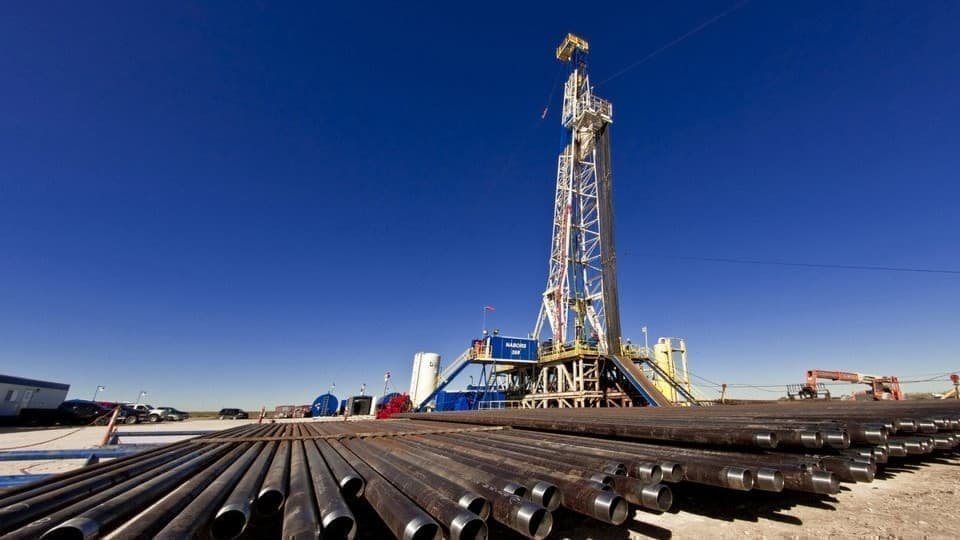
Regulatory compliance is a top priority for oil and gas companies involved in casing technology. Stringent regulations govern the design, installation, and operation of oil casing systems to ensure the safety of workers, protect the environment, and prevent potential hazards. Compliance with these regulations is not only a legal requirement but also essential for maintaining the industry’s social license to operate. Companies must stay abreast of changing regulations, implement robust compliance programs, and conduct regular audits to ensure adherence to the highest standards of safety and environmental protection.
In addition to regulatory compliance, the environmental impact of oil casing technology is a significant concern for industry stakeholders. The extraction and production of oil can have far-reaching environmental consequences, including habitat disruption, water contamination, and greenhouse gas emissions. Oil casing technology plays a crucial role in mitigating these impacts by preventing oil and gas leaks, controlling well pressure, and ensuring the integrity of the wellbore. Companies are increasingly investing in innovative casing technologies that minimize environmental footprint and enhance operational efficiency.
One of the key challenges in addressing the environmental impact of oil casing technology is the proper disposal of casing materials. Casing components are often made of steel, which can be difficult to recycle or dispose of responsibly. Improper disposal of casing materials can lead to soil and water contamination, posing risks to human health and the environment. Companies are exploring alternative materials and recycling methods to reduce the environmental footprint of casing technology and promote sustainability across the industry.
Furthermore, the development of advanced monitoring and detection technologies is essential for ensuring the integrity of oil casing systems and preventing environmental incidents. Real-time monitoring systems, such as sensors and data analytics, enable companies to detect anomalies in casing integrity and well performance, allowing for timely intervention and maintenance. These technologies not only enhance operational safety but also contribute to reducing the environmental impact of oil and gas operations.
In conclusion, navigating the challenges and opportunities in the regulatory compliance and environmental impact of oil casing technology requires a holistic approach that integrates regulatory compliance, environmental stewardship, and technological innovation. By prioritizing safety, sustainability, and operational excellence, companies can uphold the highest standards of environmental protection while maximizing the efficiency and productivity of oil and gas operations. As the industry continues to evolve, collaboration among industry stakeholders, regulators, and environmental advocates will be essential in shaping a sustainable future for oil casing technology.