Sustainability Practices in Oil Casing Technology
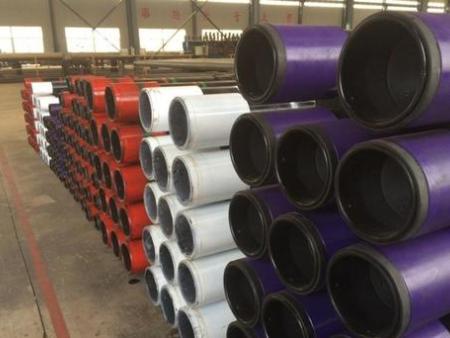
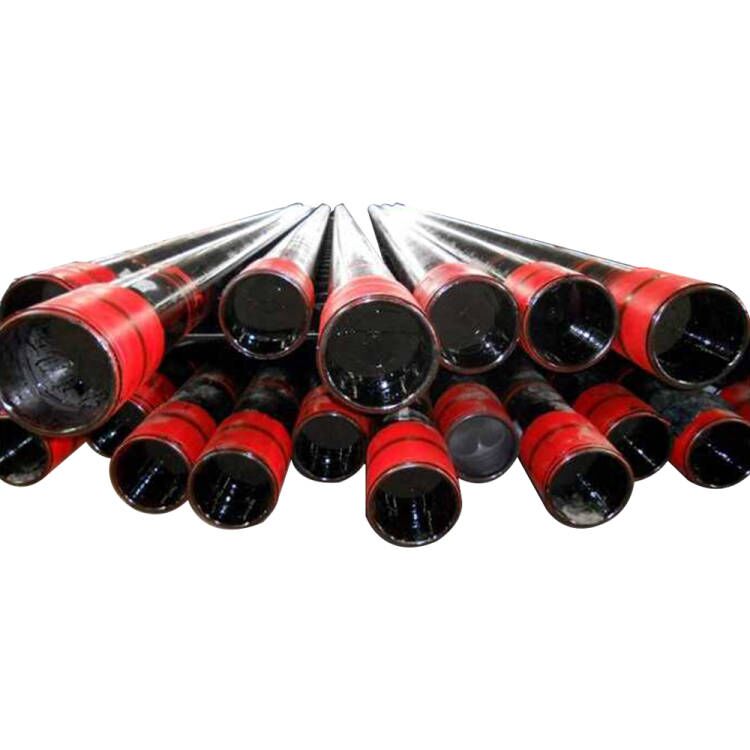
Oil casing technology plays a crucial role in the Oil and Gas industry, providing structural support and protection for wells during drilling and production operations. As the industry contiNues to evolve, sustainability practices in oil casing technology have become increasingly important. Companies are facing a myriad of challenges and opportunities as they navigate this changing landscape.
One of the key challenges in oil casing technology is the environmental impact of traditional casing Materials. Steel, which is commonly used in casing Construction, has a significant carbon footprint due to the energy-intensive manufacturing process. To address this challenge, companies are exploring alternative materials such as composite casings that offer comparable strength and durability while reducing environmental impact.
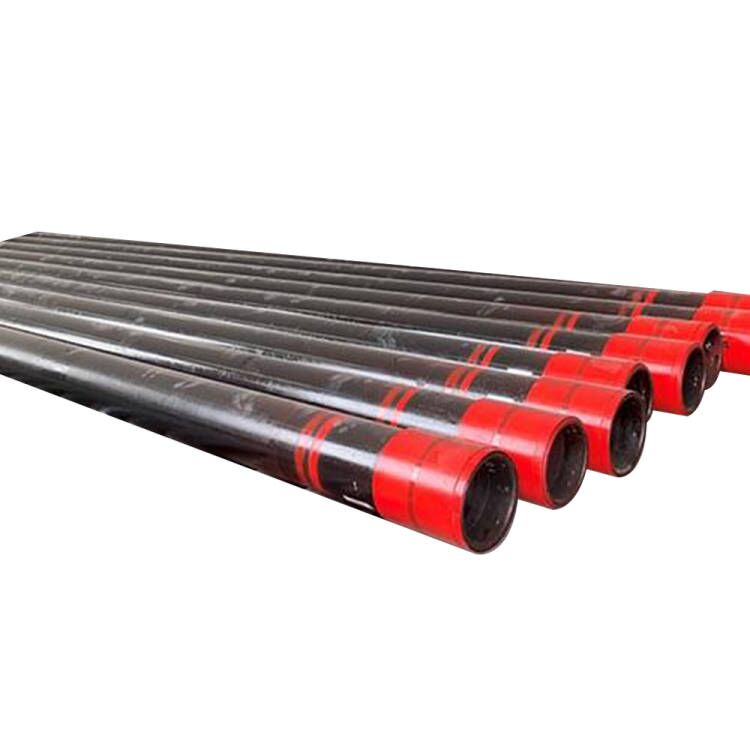
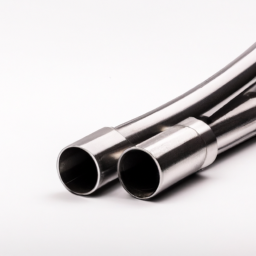
oil Pipe jointing
In addition to material considerations, the disposal of casing waste presents another sustainability challenge. Improper disposal of casing materials can lead to soil and water contamination, posing risks to the environment and human health. Companies are implementing recycling and reuse programs to minimize waste generation and promote a circular economy approach to casing management.
Furthermore, the energy consumption associated with casing installation and Maintenance is a significant consideration for sustainability practices. Traditional casing technologies often require heavy machinery and high energy inputs, contributing to greenhouse gas emissions. To mitigate this impact, companies are investing in innovative technologies such as lightWeight casings and automated installation systems that reduce energy consumption and improve operational efficiency.
Despite these challenges, the shift towards sustainable practices in oil casing technology also presents opportunities for innovation and growth. Companies that prioritize sustainability can enhance their reputation, attract environmentally conscious investors, and gain a competitive edge in the market. By adopting sustainable casing solutions, companies can demonstrate their commitment to environmental stewardship and meet the growing demand for eco-friendly products and services.
Collaboration and knowledge sharing are essential components of advancing sustainability practices in oil casing technology. Industry partnerships, research initiatives, and regulatory frameworks play a vital role in driving innovation and promoting best practices. By working together, stakeholders can develop new technologies, standards, and guidelines that support sustainable casing operations and contribute to the overall environmental goals of the industry.
In conclusion, the journey towards sustainable oil casing technology is marked by both challenges and opportunities. By addressing environmental concerns, minimizing waste generation, and reducing energy consumption, companies can pave the way for a more sustainable future in the oil and gas sector. Through collaboration, innovation, and a commitment to best practices, the industry can navigate the evolving environmental landscape and embrace the benefits of sustainable casing technology.
Innovations in Oil casing materials for Environmental Conservation
Oil casing technology plays a crucial role in the oil and gas industry, providing structural support and protection for wells. As the industry faces increasing pressure to operate in an environmentally sustainable manner, innovations in oil casing materials have become essential for both addressing challenges and seizing opportunities in this evolving landscape.
Traditionally, oil casing has been predominantly made of steel due to its strength and durability. However, the production and use of steel casing come with environmental implications, including high energy consumption and carbon emissions. In response to these challenges, the industry has been exploring alternative materials that offer comparable performance while reducing environmental impact.
One of the key innovations in oil casing materials is the development of composite casings. These casings combine different materials such as carbon fiber, fiberglass, and resins to create a lightweight yet strong alternative to traditional steel casings. Composite casings not only reduce the overall weight of the Casing string, making installation and handling easier, but also have the potential to lower carbon emissions associated with casing production.
Furthermore, the use of composite materials in oil casing can enhance Corrosion resistance, extending the lifespan of wells and reducing the need for frequent replacements. This not only improves operational efficiency but also contributes to environmental conservation by minimizing waste generation.
In addition to composite materials, advancements in nanotechnology have opened up new possibilities for oil casing innovation. Nanocomposite casings, which incorporate nanoparticles into traditional casing materials, offer improved mechanical properties and corrosion resistance. These nanocomposites can withstand harsh downhole conditions, leading to longer-lasting wells and reduced environmental impact through decreased material usage.
Moreover, the integration of smart technologies in oil casing design is revolutionizing the way wells are monitored and maintained. Smart casings equipped with sensors can provide real-time data on casing integrity, temperature, and pressure, allowing operators to detect potential issues early and prevent costly failures. By enabling proactive maintenance and reducing the risk of environmental incidents, smart casings contribute to both operational efficiency and environmental stewardship.
As the oil and gas industry continues to adapt to a changing regulatory landscape and growing environmental concerns, the development and adoption of innovative oil casing materials are essential for sustainable operations. By embracing these advancements, operators can navigate the challenges posed by environmental regulations and public scrutiny while c APItalizing on the opportunities for improved efficiency and environmental conservation.
Regulatory Compliance and Environmental Impact of Oil Casing Technology
Oil casing technology plays a pivotal role in the extraction and production of oil, serving as a critical component in the drilling process. As the oil and gas industry continues to evolve, the regulatory landscape surrounding oil casing technology has become increasingly complex. Companies operating in this sector are faced with a myriad of challenges related to regulatory compliance and environmental impact. Navigating these challenges requires a deep understanding of the regulatory framework and a commitment to sustainable practices.
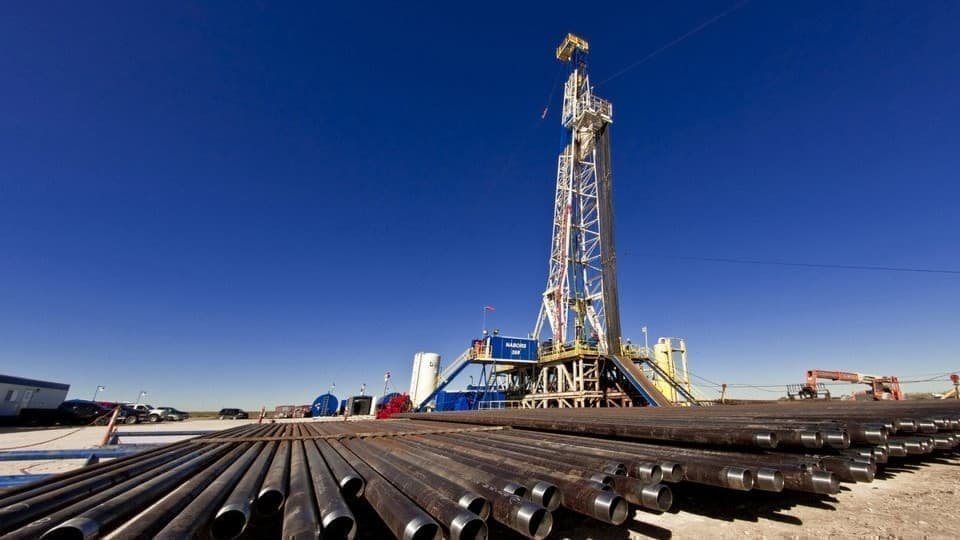
Regulatory compliance is a top priority for oil and gas companies involved in casing technology. Stringent regulations govern the design, installation, and operation of oil casing systems to ensure the safety of workers, protect the environment, and prevent potential hazards. Compliance with these regulations is not only a legal requirement but also essential for maintaining the industry’s social license to operate. Companies must stay abreast of changing regulations, implement robust compliance programs, and conduct regular audits to ensure adherence to the highest standards of safety and environmental protection.
In addition to regulatory compliance, the environmental impact of oil casing technology is a significant concern for industry stakeholders. The extraction and production of oil can have far-reaching environmental consequences, including habitat disruption, water contamination, and greenhouse gas emissions. Oil casing technology plays a crucial role in mitigating these impacts by preventing oil and gas leaks, controlling well pressure, and ensuring the integrity of the wellbore. Companies are increasingly investing in innovative casing technologies that minimize environmental footprint and enhance operational efficiency.
One of the key challenges in addressing the environmental impact of oil casing technology is the proper disposal of casing materials. Casing components are often made of steel, which can be difficult to recycle or dispose of responsibly. Improper disposal of casing materials can lead to soil and water contamination, posing risks to human health and the environment. Companies are exploring alternative materials and recycling methods to reduce the environmental footprint of casing technology and promote sustainability across the industry.
Furthermore, the development of advanced monitoring and detection technologies is essential for ensuring the integrity of oil casing systems and preventing environmental incidents. Real-time monitoring systems, such as sensors and data analytics, enable companies to detect anomalies in casing integrity and well performance, allowing for timely intervention and maintenance. These technologies not only enhance operational safety but also contribute to reducing the environmental impact of oil and gas operations.
In conclusion, navigating the challenges and opportunities in the regulatory compliance and environmental impact of oil casing technology requires a holistic approach that integrates regulatory compliance, environmental stewardship, and technological innovation. By prioritizing safety, sustainability, and operational excellence, companies can uphold the highest standards of environmental protection while maximizing the efficiency and productivity of oil and gas operations. As the industry continues to evolve, collaboration among industry stakeholders, regulators, and environmental advocates will be essential in shaping a sustainable future for oil casing technology.