الابتكارات في تكنولوجيا أغلفة النفط من أجل الاستدامة البيئية
في الختام، فإن تطور تكنولوجيا أغلفة النفط يمثل تحديات وفرصًا لهذه الصناعة. ومن خلال تبني الابتكار، والاستفادة من المواد المتقدمة والتقنيات الرقمية، وإعطاء الأولوية للاستدامة البيئية، يمكن لشركات النفط والغاز تعزيز أداء وموثوقية واستدامة عملياتها. من خلال التعاون والالتزام بالتحسين المستمر، يمكن للصناعة أن تمهد الطريق لمستقبل أكثر استدامة في تكنولوجيا أغلفة النفط.
تحليل الأثر البيئي لتقنية تغليف الزيت: التحديات والحلول
الآفاق والفرص المستقبلية لتكنولوجيا أغلفة الزيت المستدامة المتناغمة مع البيئة
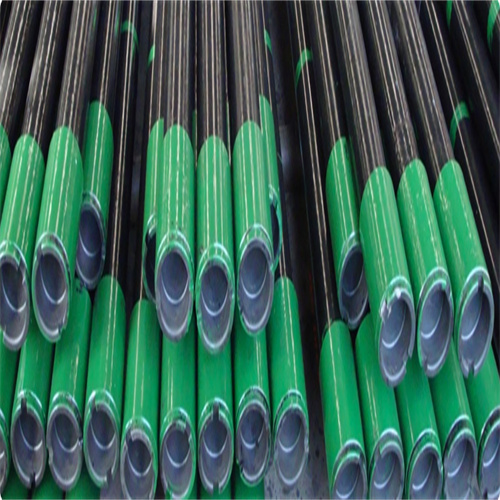
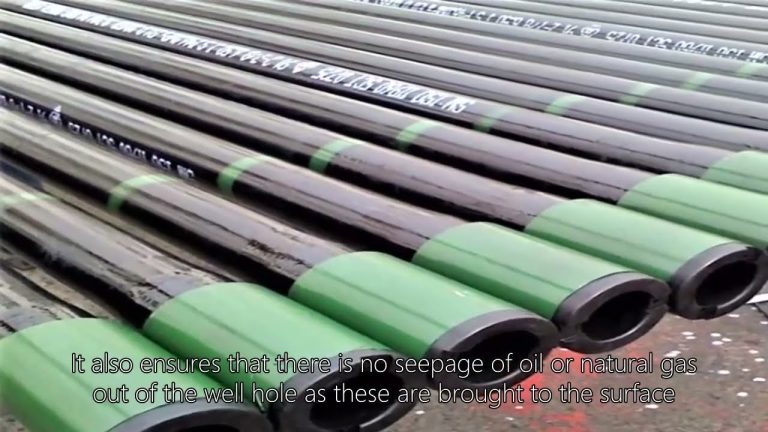
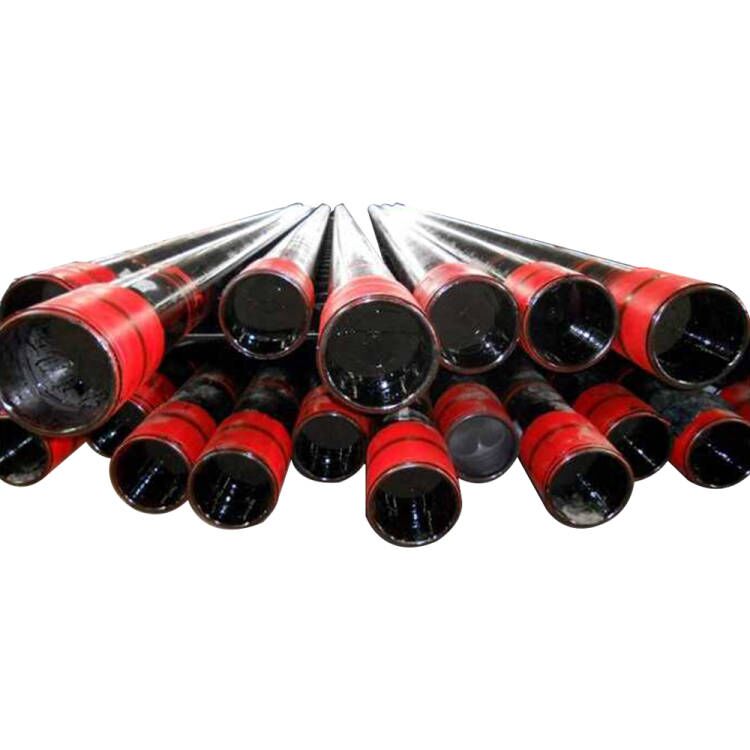
API 5ct Q125 Casing أفضل الشركات الصينية
https://youtube.com/watch?v=IynKNbSIcXcبالتوازي، تلعب الأطر التنظيمية ومعايير الصناعة دورًا حاسمًا في تشكيل التأثير البيئي لتكنولوجيا أغلفة النفط. إن اللوائح الأكثر صرامة فيما يتعلق بتصميم الغلاف واختيار المواد وإدارة النفايات تدفع الشركات إلى تبني ممارسات أكثر استدامة. لا يؤدي الامتثال لهذه المعايير إلى تخفيف المخاطر البيئية فحسب، بل يعزز أيضًا سمعة الشركة وثقة أصحاب المصلحة.
يعد التعاون وتبادل المعرفة بين أصحاب المصلحة في الصناعة أمرًا ضروريًا لتحفيز الابتكار وأفضل الممارسات في تكنولوجيا أغلفة النفط المستدامة. يمكن للشراكات بين شركات النفط والمؤسسات البحثية والمنظمات البيئية أن تسهل تبادل الخبرات والموارد والأفكار لمواجهة التحديات المشتركة. من خلال تعزيز ثقافة التعاون، يمكن للصناعة تسريع تطوير واعتماد حلول أغلفة صديقة للبيئة.
وبالنظر إلى المستقبل، يكمن مستقبل تكنولوجيا أغلفة النفط في تنسيق الكفاءة التشغيلية مع الاستدامة البيئية. ومن خلال تبني مواد صديقة للبيئة، والابتكارات الرقمية، والامتثال التنظيمي، والشراكات التعاونية، يمكن للصناعة التغلب على التحديات التي تفرضها المخاوف البيئية مع فتح فرص جديدة للنمو والتنمية. ومن خلال الجهود المتضافرة لتحقيق التوازن بين الضرورات الاقتصادية والمسؤولية البيئية، يمكن لتكنولوجيا أغلفة النفط أن تمهد الطريق لمستقبل طاقة أكثر استدامة.
Future Prospects and Opportunities for Sustainable Oil Casing Technology in Harmony with the Environment
Oil casing technology plays a crucial role in the Oil and Gas industry, providing structural support and protection for wells. As the industry contiNues to evolve, there is a growing emphasis on developing sustainable practices that minimize environmental impact. In this context, studying the challenges and opportunities in oil casing technology within the environmental framework becomes imperative.
One of the primary challenges in the oil casing technology environment is the need to balance operational efficiency with environmental responsibility. Traditional casing Materials, such as Steel, have significant environmental footprints due to their extraction and manufacturing processes. This necessitates a shift towards eco-friendly alternatives that offer comparable performance while reducing carbon emissions and resource consumption.
The integration of advanced materials and technologies presents a promising opportunity for enhancing the sustainability of oil casing operations. innovations in composite materials, biodegradable polymers, and nanotechnology offer the potential to improve casing performance, longevity, and recyclability. By leveraging these advancements, the industry can reduce its ecological footprint and contribute to a more sustainable energy landscape.
Furthermore, the adoption of digitalization and automation in oil casing processes can streamline operations, optimize resource utilization, and minimize environmental risks. Real-time monitoring systems, predictive Maintenance algorithms, and robotic casing installation technologies not only enhance operational efficiency but also reduce the likelihood of environmental incidents. By embracing digital transformation, oil Companies can achieve greater environmental stewardship while improving overall productivity.
API 5CT Q125 CASING Best china Companies
In parallel, regulatory frameworks and industry standards play a critical role in shaping the environmental impact of oil casing technology. Stricter regulations regarding casing design, material selection, and waste management are driving companies to adopt more sustainable practices. Compliance with these standards not only mitigates environmental risks but also enhances corporate reputation and stakeholder trust.
Collaboration and knowledge sharing among industry stakeholders are essential for driving innovation and best practices in sustainable oil casing technology. Partnerships between oil companies, research institutions, and environmental organizations can facilitate the exchange of expertise, resources, and ideas to address common challenges. By fostering a culture of collaboration, the industry can accelerate the development and adoption of environmentally friendly casing solutions.
Looking ahead, the future of oil casing technology lies in harmonizing operational efficiency with environmental sustainability. By embracing eco-friendly materials, digital innovations, regulatory compliance, and collaborative partnerships, the industry can navigate the challenges posed by environmental concerns while unlocking new opportunities for growth and development. Through a concerted effort to balance economic imperatives with ecological responsibility, oil casing technology can pave the way for a more sustainable energy future.