innovations in Oil Casing Technology for Environmental Sustainability
Oil casing technology plays a crucial role in the Oil and Gas industry, providing structural support and protection for wells. As the industry contiNues to evolve, there is a growing emphasis on environmental sustainability in oil casing technology. This shift is driven by the need to minimize the environmental impact of oil and gas operations while meeting the increasing global energy demand.
One of the key challenges in oil casing technology is ensuring the integrity and longevity of the casing Materials in harsh environmental conditions. Corrosion, high temperatures, and pressure differentials can all contribute to the degradation of casing materials over time. Innovations in material science and engineering are essential to address these challenges and develop casing materials that can withstand the demands of modern oil and gas operations.
Advancements in composite materials offer promising solutions for improving the durability and performance of oil casing technology. Composite materials, such as carbon fiber reinforced polymers, provide High strength-to-Weight ratios and excellent Corrosion resistance, making them ideal candidates for use in oil casing applications. By leveraging the unique properties of composite materials, oil and gas Companies can enhance the reliability and longevity of their wells while reducing Maintenance costs and environmental impact.
In addition to material innovations, digital technologies are playing an increasingly important role in optimizing oil casing design and performance. Advanced modeling and simulation tools allow engineers to analyze casing behavior under various operating conditions and optimize casing design for maximum efficiency and reliability. Real-time monitoring systems enable continuous monitoring of casing integrity, allowing for early detection of potential issues and proactive maintenance strategies.
Environmental sustainability is a key focus area for the oil and gas industry, and oil casing technology is no exception. By incorporating eco-friendly materials and design practices, oil and gas companies can reduce their carbon footprint and minimize environmental impact. Recyclable materials, biodegradable coatings, and energy-efficient manufacturing processes are just a few examples of how companies can enhance the sustainability of their oil casing operations.
The future of oil casing technology lies in innovation and collaboration. By investing in research and development, fostering partnerships with technology providers, and embracing a culture of continuous improvement, the industry can overcome current challenges and unlock new opportunities for environmental sustainability. As the demand for energy continues to rise, the need for sustainable oil casing technology will only grow, making it imperative for companies to prioritize innovation and environmental stewardship in their operations.
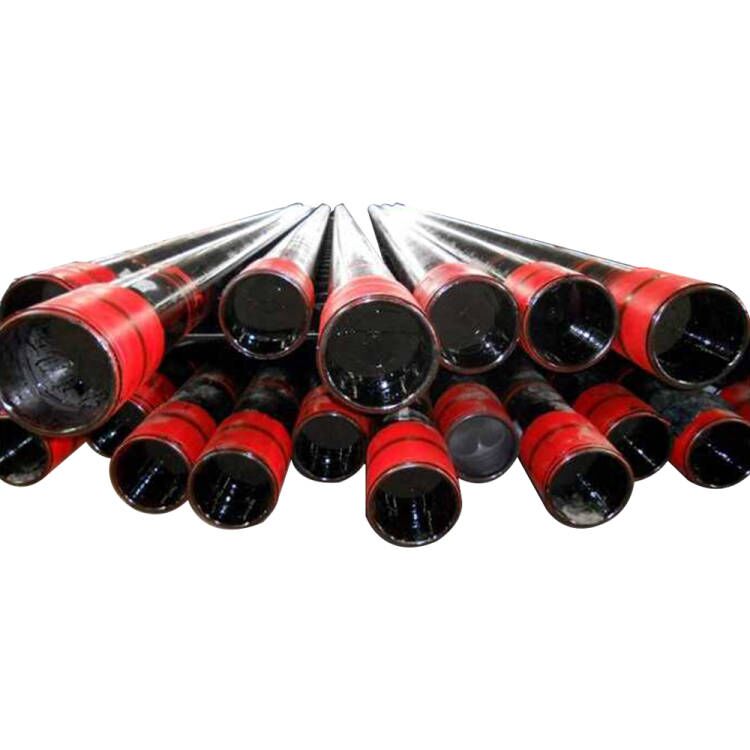
In conclusion, the evolution of oil casing technology presents both challenges and opportunities for the industry. By embracing innovation, leveraging advanced materials and digital technologies, and prioritizing environmental sustainability, oil and gas companies can enhance the performance, reliability, and sustainability of their operations. Through collaboration and a commitment to continuous improvement, the industry can pave the way for a more sustainable future in oil casing technology.
Analyzing the Environmental Impact of Oil Casing Technology: Challenges and Solutions
Oil casing technology plays a crucial role in the oil and gas industry, providing structural support and protection for wells during drilling and production operations. However, the environmental impact of oil casing technology is a topic of growing concern. As the demand for oil and gas continues to rise, so do the challenges associated with mitigating the environmental impact of oil casing technology.
https://youtube.com/watch?v=IynKNbSIcXcOne of the primary challenges in the oil casing technology environment is the risk of oil spills and leaks. These incidents can have devastating consequences for the environment, contaminating soil, water sources, and harming wildlife. In addition to the immediate environmental damage, oil spills can also have long-term effects on ecosystems and human health.
Another significant challenge is the energy consumption associated with oil casing technology. The extraction, transportation, and processing of oil and gas require large amounts of energy, contributing to greenhouse gas emissions and climate change. Finding ways to reduce the energy intensity of oil casing technology is essential for mitigating its environmental impact.
Furthermore, the disposal of Oil casing materials presents a challenge in terms of waste management. The materials used in oil casing, such as Steel and cement, can be difficult to recycle or dispose of safely. Improper disposal can lead to pollution of land and water bodies, further exacerbating environmental concerns.
Despite these challenges, there are opportunities for innovation and improvement in the environmental performance of oil casing technology. One such opportunity lies in the development of more sustainable materials for casing Construction. Research into alternative materials that are more environmentally friendly and easier to recycle could help reduce the environmental impact of oil casing technology.
Additionally, advancements in drilling techniques and well design can help minimize the risk of oil spills and leaks. Improved well integrity and monitoring systems can enhance the safety and environmental performance of oil casing technology, reducing the likelihood of environmental incidents.
Collaboration between industry stakeholders, regulators, and environmental organizations is also key to addressing the environmental challenges associated with oil casing technology. By working together, these groups can develop and implement best practices that promote environmental stewardship and sustainability in the oil and gas industry.
In conclusion, analyzing the environmental impact of oil casing technology reveals both challenges and opportunities for improving its sustainability. By addressing issues such as oil spills, energy consumption, and waste management, the industry can move towards more environmentally responsible practices. Through innovation, collaboration, and a commitment to environmental stewardship, the oil and gas industry can mitigate the environmental impact of oil casing technology and contribute to a more sustainable future.
Future Prospects and Opportunities for Sustainable Oil Casing Technology in Harmony with the Environment
Oil casing technology plays a crucial role in the oil and gas industry, providing structural support and protection for wells. As the industry continues to evolve, there is a growing emphasis on developing sustainable practices that minimize environmental impact. In this context, studying the challenges and opportunities in oil casing technology within the environmental framework becomes imperative.
One of the primary challenges in the oil casing technology environment is the need to balance operational efficiency with environmental responsibility. Traditional casing materials, such as steel, have significant environmental footprints due to their extraction and manufacturing processes. This necessitates a shift towards eco-friendly alternatives that offer comparable performance while reducing carbon emissions and resource consumption.
The integration of advanced materials and technologies presents a promising opportunity for enhancing the sustainability of oil casing operations. Innovations in composite materials, biodegradable polymers, and nanotechnology offer the potential to improve casing performance, longevity, and recyclability. By leveraging these advancements, the industry can reduce its ecological footprint and contribute to a more sustainable energy landscape.
Furthermore, the adoption of digitalization and automation in oil casing processes can streamline operations, optimize resource utilization, and minimize environmental risks. Real-time monitoring systems, predictive maintenance algorithms, and robotic casing installation technologies not only enhance operational efficiency but also reduce the likelihood of environmental incidents. By embracing digital transformation, oil companies can achieve greater environmental stewardship while improving overall productivity.
API 5ct Q125 casing Best china Companies
In parallel, regulatory frameworks and industry standards play a critical role in shaping the environmental impact of oil casing technology. Stricter regulations regarding casing design, material selection, and waste management are driving companies to adopt more sustainable practices. Compliance with these standards not only mitigates environmental risks but also enhances corporate reputation and stakeholder trust.
Collaboration and knowledge sharing among industry stakeholders are essential for driving innovation and best practices in sustainable oil casing technology. Partnerships between oil companies, research institutions, and environmental organizations can facilitate the exchange of expertise, resources, and ideas to address common challenges. By fostering a culture of collaboration, the industry can accelerate the development and adoption of environmentally friendly casing solutions.
Looking ahead, the future of oil casing technology lies in harmonizing operational efficiency with environmental sustainability. By embracing eco-friendly materials, digital innovations, regulatory compliance, and collaborative partnerships, the industry can navigate the challenges posed by environmental concerns while unlocking new opportunities for growth and development. Through a concerted effort to balance economic imperatives with ecological responsibility, oil casing technology can pave the way for a more sustainable energy future.