Uvumbuzi katika Teknolojia ya Kuweka Mafuta kwa Uendelevu wa Mazingira
Kuchanganua Athari za Kimazingira za Teknolojia ya Kuweka Mafuta: Changamoto na Masuluhisho
Matarajio ya Baadaye na Fursa za Teknolojia Endelevu ya Uwekaji Mafuta kwa Uwiano na Mazingira
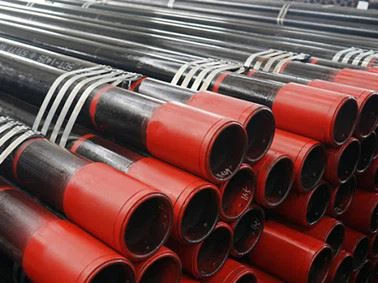
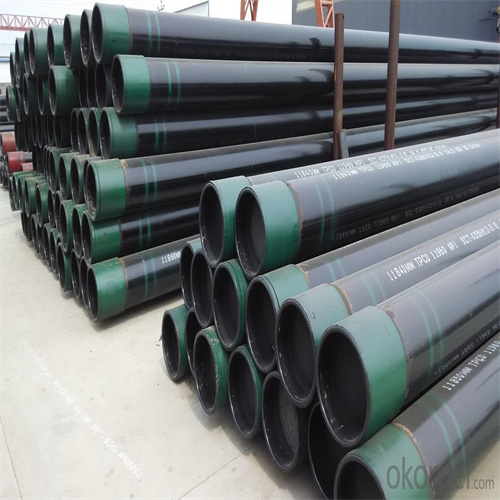
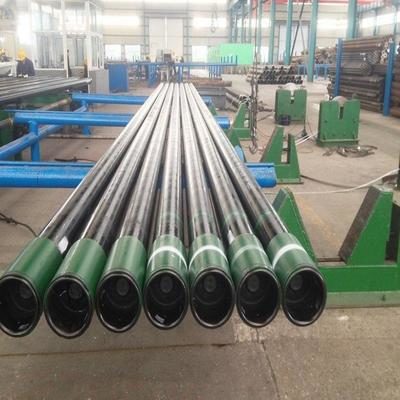
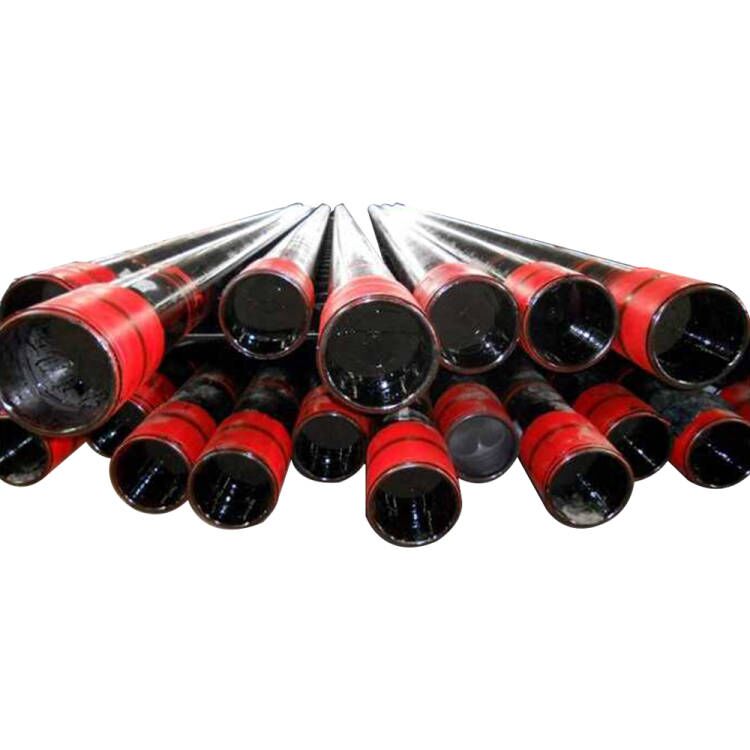
API 5ct Q125 Casing Makampuni Bora ya china
Sambamba na hilo, mifumo ya udhibiti na viwango vya tasnia vina jukumu muhimu katika kuunda athari za mazingira za teknolojia ya kabati la mafuta. Kanuni kali kuhusu muundo wa kabati, uteuzi wa nyenzo, na usimamizi wa taka zinasukuma kampuni kupitisha mazoea endelevu zaidi. Kuzingatia viwango hivi sio tu kwamba kunapunguza hatari za kimazingira bali pia huongeza sifa ya shirika na imani ya washikadau.
Ushirikiano na kubadilishana maarifa miongoni mwa wadau wa sekta hiyo ni muhimu kwa ajili ya kuendeleza uvumbuzi na mbinu bora katika teknolojia endelevu ya kuhifadhi mafuta. Ushirikiano kati ya makampuni ya mafuta, taasisi za utafiti, na mashirika ya mazingira yanaweza kuwezesha kubadilishana utaalamu, rasilimali na mawazo ili kushughulikia changamoto zinazofanana. Kwa kukuza utamaduni wa ushirikiano, sekta hii inaweza kuharakisha maendeleo na kupitishwa kwa masuluhisho ya kabati ambayo ni rafiki kwa mazingira.
Tukiangalia mbeleni, mustakabali wa teknolojia ya kiganja cha mafuta unategemea kuoanisha ufanisi wa uendeshaji na uendelevu wa mazingira. Kwa kukumbatia nyenzo rafiki kwa mazingira, ubunifu wa kidijitali, utiifu wa udhibiti, na ushirikiano shirikishi, tasnia inaweza kukabiliana na changamoto zinazoletwa na masuala ya mazingira huku ikifungua fursa mpya za ukuaji na maendeleo. Kupitia juhudi za pamoja za kusawazisha umuhimu wa kiuchumi na uwajibikaji wa kiikolojia, teknolojia ya kuweka mafuta inaweza kuweka njia kwa mustakabali wa nishati endelevu zaidi.
https://youtube.com/watch?v=IynKNbSIcXcOne of the primary challenges in the Oil Casing technology environment is the risk of oil spills and leaks. These incidents can have devastating consequences for the environment, contaminating soil, water sources, and harming wildlife. In addition to the immediate environmental damage, oil spills can also have long-term effects on ecosystems and human health.
Another significant challenge is the energy consumption associated with oil casing technology. The extraction, transportation, and processing of Oil and Gas require large amounts of energy, contributing to greenhouse gas emissions and climate change. Finding ways to reduce the energy intensity of oil casing technology is essential for mitigating its environmental impact.
Furthermore, the disposal of Oil casing Materials presents a challenge in terms of waste management. The materials used in oil casing, such as Steel and cement, can be difficult to recycle or dispose of safely. Improper disposal can lead to pollution of land and water bodies, further exacerbating environmental concerns.
Despite these challenges, there are opportunities for innovation and improvement in the environmental performance of oil casing technology. One such opportunity lies in the development of more sustainable materials for casing Construction. Research into alternative materials that are more environmentally friendly and easier to recycle could help reduce the environmental impact of oil casing technology.
Additionally, advancements in drilling techniques and well design can help minimize the risk of oil spills and leaks. Improved well integrity and monitoring systems can enhance the safety and environmental performance of oil casing technology, reducing the likelihood of environmental incidents.
Collaboration between industry stakeholders, regulators, and environmental organizations is also key to addressing the environmental challenges associated with oil casing technology. By working together, these groups can develop and implement best practices that promote environmental stewardship and sustainability in the oil and gas industry.
In conclusion, analyzing the environmental impact of oil casing technology reveals both challenges and opportunities for improving its sustainability. By addressing issues such as oil spills, energy consumption, and waste management, the industry can move towards more environmentally responsible practices. Through innovation, collaboration, and a commitment to environmental stewardship, the oil and gas industry can mitigate the environmental impact of oil casing technology and contribute to a more sustainable future.
Future Prospects and Opportunities for Sustainable Oil Casing Technology in Harmony with the Environment
Oil casing technology plays a crucial role in the oil and gas industry, providing structural support and protection for wells. As the industry contiNues to evolve, there is a growing emphasis on developing sustainable practices that minimize environmental impact. In this context, studying the challenges and opportunities in oil casing technology within the environmental framework becomes imperative.
One of the primary challenges in the oil casing technology environment is the need to balance operational efficiency with environmental responsibility. Traditional casing materials, such as steel, have significant environmental footprints due to their extraction and manufacturing processes. This necessitates a shift towards eco-friendly alternatives that offer comparable performance while reducing carbon emissions and resource consumption.
The integration of advanced materials and technologies presents a promising opportunity for enhancing the sustainability of oil casing operations. Innovations in composite materials, biodegradable polymers, and nanotechnology offer the potential to improve casing performance, longevity, and recyclability. By leveraging these advancements, the industry can reduce its ecological footprint and contribute to a more sustainable energy landscape.
Furthermore, the adoption of digitalization and automation in oil casing processes can streamline operations, optimize resource utilization, and minimize environmental risks. Real-time monitoring systems, predictive Maintenance algorithms, and robotic casing installation technologies not only enhance operational efficiency but also reduce the likelihood of environmental incidents. By embracing digital transformation, oil Companies can achieve greater environmental stewardship while improving overall productivity.
API 5CT Q125 CASING Best China Companies
In parallel, regulatory frameworks and industry standards play a critical role in shaping the environmental impact of oil casing technology. Stricter regulations regarding casing design, material selection, and waste management are driving companies to adopt more sustainable practices. Compliance with these standards not only mitigates environmental risks but also enhances corporate reputation and stakeholder trust.
Collaboration and knowledge sharing among industry stakeholders are essential for driving innovation and best practices in sustainable oil casing technology. Partnerships between oil companies, research institutions, and environmental organizations can facilitate the exchange of expertise, resources, and ideas to address common challenges. By fostering a culture of collaboration, the industry can accelerate the development and adoption of environmentally friendly casing solutions.
Looking ahead, the future of oil casing technology lies in harmonizing operational efficiency with environmental sustainability. By embracing eco-friendly materials, digital innovations, regulatory compliance, and collaborative partnerships, the industry can navigate the challenges posed by environmental concerns while unlocking new opportunities for growth and development. Through a concerted effort to balance economic imperatives with ecological responsibility, oil casing technology can pave the way for a more sustainable energy future.