তেল আবরণ উত্পাদনে স্থায়িত্ব: উদ্ভাবন এবং প্রবণতা
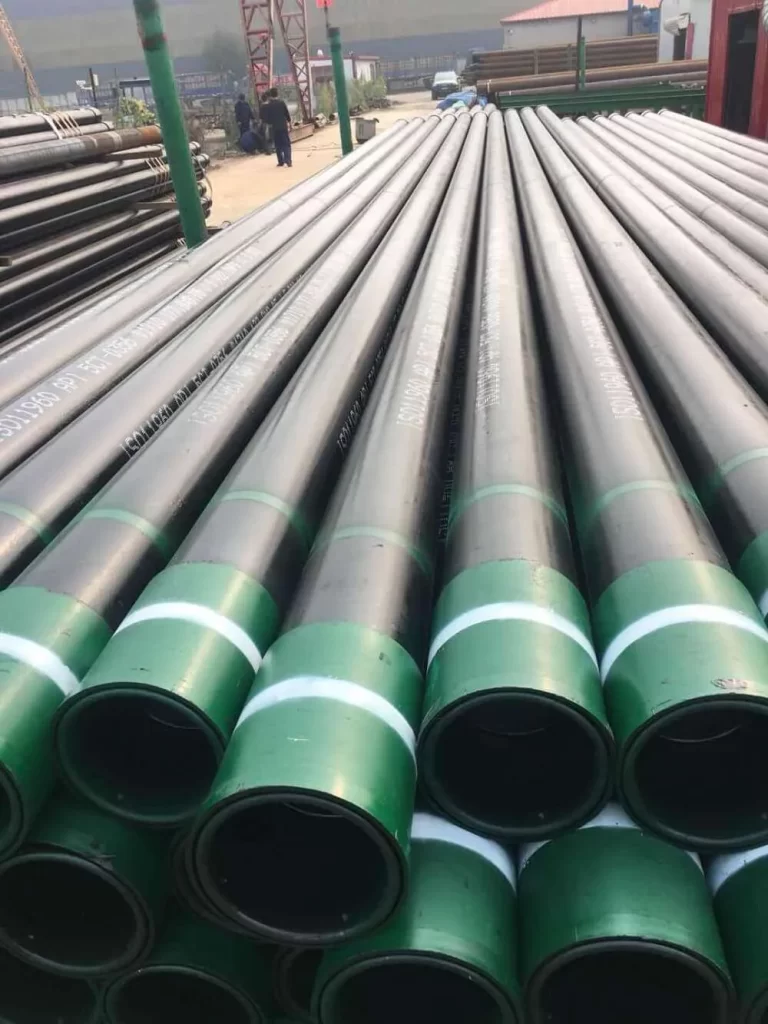
তেল আবরণ, তেল এবং গ্যাস উত্তোলনের একটি গুরুত্বপূর্ণ উপাদান, স্থায়িত্বের প্রয়োজনীয়তা এবং প্রযুক্তিগত অগ্রগতির দ্বারা চালিত একটি রূপান্তরমূলক পর্যায়ের মধ্য দিয়ে যাচ্ছে। যেহেতু বৈশ্বিক শিল্পগুলি আরও টেকসই অনুশীলনের দিকে অগ্রসর হয়, তেল আবরণ খাতও এর ব্যতিক্রম নয়, অপারেশনাল দক্ষতা বজায় রেখে পরিবেশগত প্রভাব কমানোর চাপের সম্মুখীন হয়৷ শর্তাবলী যাইহোক, কার্বন নির্গমন নিয়ে উদ্বেগ এবং তেল ও গ্যাস অপারেশনের সামগ্রিক পরিবেশগত পদচিহ্ন আরও টেকসই উপকরণ এবং উত্পাদন প্রক্রিয়ার দিকে একটি স্থানান্তরকে প্ররোচিত করেছে। একটি উল্লেখযোগ্য প্রবণতা হল যৌগিক উপকরণ এবং সংকর ধাতুগুলির বিকাশ যা ঐতিহ্যবাহী ইস্পাত কেসিংয়ের সাথে তুলনামূলক শক্তি সরবরাহ করে কিন্তু পরিবেশগত প্রভাব হ্রাস করে। এই উপকরণগুলি শুধুমাত্র কম কার্বন পদচিহ্নে অবদান রাখে না বরং ওজন এবং ক্ষয় কমিয়ে অপারেশনাল দক্ষতা বাড়ায়। উন্নত মেশিনিং প্রযুক্তি এবং অটোমেশন আরও সুনির্দিষ্ট উত্পাদন প্রক্রিয়া সক্ষম করেছে, উপাদান বর্জ্য এবং শক্তি খরচ কমিয়েছে। উপরন্তু, ডিজিটাল যমজ এবং ভবিষ্যদ্বাণীমূলক রক্ষণাবেক্ষণ প্রযুক্তি গ্রহণ তেলের আবরণের দীর্ঘায়ু এবং নির্ভরযোগ্যতাকে উন্নত করছে, যার ফলে ঘন ঘন প্রতিস্থাপনের প্রয়োজনীয়তা এবং সংশ্লিষ্ট পরিবেশগত খরচ হ্রাস পাচ্ছে। শিল্প সংস্থাগুলি ক্রমবর্ধমানভাবে পুনর্নবীকরণ এবং পুনর্ব্যবহারের উদ্যোগের মাধ্যমে কেসিংয়ের জীবনচক্র বাড়ানোর দিকে মনোনিবেশ করছে। তাদের কর্মক্ষম জীবন বাড়ানোর জন্য কেসিংগুলিকে সংস্কার করে, কোম্পানিগুলি কেবল কাঁচামালের ব্যবহার কমায় না বরং বর্জ্য উত্পাদন এবং নিষ্পত্তিও কম করে। একইভাবে, রিসাইক্লিং প্রোগ্রামগুলির লক্ষ্য নতুন পণ্য বা অ্যাপ্লিকেশনগুলিতে পুনঃব্যবহারের জন্য ডিকমিশনড কেসিং থেকে উপকরণ পুনরুদ্ধার করা, সম্পদের ব্যবহারে লুপ বন্ধ করা এবং ভার্জিন উপকরণের উপর নির্ভরতা হ্রাস করা।
সামনের দিকে তাকিয়ে, তেল আবরণ উত্পাদনের ভবিষ্যত অপারেশনাল দক্ষতা এবং প্রযুক্তিগত উদ্ভাবনের সাথে স্থায়িত্বের প্রচেষ্টাকে যুক্তিযুক্ত করার মধ্যে নিহিত। যে কোম্পানিগুলি সক্রিয়ভাবে টেকসই উপকরণ, উন্নত উত্পাদন প্রযুক্তি এবং বৃত্তাকার অর্থনীতির উদ্যোগে বিনিয়োগ করে তারা বিকাশমান বাজারের ল্যান্ডস্কেপে একটি প্রতিযোগিতামূলক প্রান্ত অর্জন করতে পারে। ব্যবসায়িক উদ্দেশ্যগুলির সাথে পরিবেশগত স্টুয়ার্ডশিপকে সারিবদ্ধ করে, তেল আবরণ শিল্প ঝুঁকিগুলি হ্রাস করতে পারে, স্থিতিস্থাপকতা বাড়াতে পারে এবং আরও টেকসই শক্তির ভবিষ্যতে অবদান রাখতে পারে। উদ্ভাবন এবং নেতৃত্ব। টেকসই উপকরণ, উন্নত উত্পাদন কৌশল এবং বৃত্তাকার অর্থনীতির নীতিগুলিকে আলিঙ্গন করে, শিল্প এমন একটি ভবিষ্যতের দিকে নেভিগেট করতে পারে যেখানে অপারেশনাল শ্রেষ্ঠত্বের সাথে আপস না করে পরিবেশগত প্রভাব হ্রাস করা হয়। মূল্য শৃঙ্খল জুড়ে স্টেকহোল্ডাররা এই লক্ষ্যগুলির জন্য সহযোগিতা করে, একটি যুক্তিযুক্ত এবং টেকসই তেল আবরণ খাতের দিকে যাত্রা কেবল অপরিহার্য নয় তবে অর্জনযোগ্য হয়ে ওঠে৷
অয়েল কেসিং ডিজাইন এবং উৎপাদনের উপর ডিজিটালাইজেশনের প্রভাব
কেসিং পাইপ চীন উচ্চ গ্রেড সরবরাহকারী
তেল আবরণ প্রযুক্তিতে পুনর্ব্যবহারযোগ্য উপকরণের ভবিষ্যত সম্ভাবনা
তেল আবরণ, তেল এবং গ্যাস শিল্পের একটি গুরুত্বপূর্ণ উপাদান, স্থায়িত্ব এবং দক্ষতার দিকে একটি রূপান্তরমূলক পরিবর্তনের মধ্য দিয়ে যাচ্ছে। যেহেতু বৈশ্বিক শক্তির চাহিদা বিকশিত হচ্ছে এবং পরিবেশগত উদ্বেগ তীব্র হচ্ছে, তেলের আবরণের ভবিষ্যত এর উপাদান এবং উৎপাদন প্রক্রিয়াকে যুক্তিযুক্ত করার উপর নির্ভর করে। যাইহোক, ইস্পাতের উপর এই নির্ভরতা উচ্চ উৎপাদন খরচ, খনন ও প্রক্রিয়াকরণ থেকে পরিবেশগত প্রভাব এবং পুনর্ব্যবহার ও নিষ্পত্তিতে চ্যালেঞ্জ সহ উল্লেখযোগ্য ত্রুটিগুলি নিয়ে আসে। যেহেতু বিশ্বব্যাপী শিল্পগুলি টেকসই অনুশীলনগুলি গ্রহণ করার জন্য ক্রমবর্ধমান চাপের মুখোমুখি হচ্ছে, তেল ও গ্যাস খাত এমন বিকল্পগুলি অন্বেষণ করছে যা পারফরম্যান্সের সাথে আপস না করে এই সমস্যাগুলিকে প্রশমিত করতে পারে৷ উদ্ভাবকরা উন্নত কম্পোজিট, পলিমার এবং এমনকি বায়োডিগ্রেডেবল উপকরণগুলি অন্বেষণ করছে যা ঐতিহ্যগত ইস্পাত কেসিংয়ের সাথে তুলনীয় শক্তি এবং জারা প্রতিরোধের প্রস্তাব দেয়। এই উপকরণগুলি কেবল কেসিং উৎপাদনের সাথে যুক্ত কার্বন পদচিহ্নকে কমায় না বরং তাদের জীবনচক্রের শেষে সহজে পুনর্ব্যবহারযোগ্য এবং নিষ্পত্তির সুবিধা দেয়। পুনর্ব্যবহারযোগ্যতার কথা মাথায় রেখে কেসিং ডিজাইন করার মাধ্যমে, নির্মাতারা ক্লোজড-লুপ সিস্টেম তৈরি করতে পারে যেখানে উপকরণগুলি বাতিল না করে পুনরায় ব্যবহার করা হয় বা পুনরায় ব্যবহার করা হয়। এই পদ্ধতিটি শুধুমাত্র সম্পদ সংরক্ষণ করে না বরং বর্জ্যও কমিয়ে দেয় এবং কেসিংয়ের জীবনচক্র জুড়ে পরিবেশগত প্রভাব কমিয়ে দেয়। অ্যাডিটিভ ম্যানুফ্যাকচারিং, যা সাধারণত 3D প্রিন্টিং নামে পরিচিত, কম উপাদান বর্জ্য সহ জটিল কেসিং ডিজাইন তৈরির জন্য একটি কার্যকর পদ্ধতি হিসাবে আবির্ভূত হয়েছে। এই প্রযুক্তি ডিজাইন কাস্টমাইজেশনে আরও বেশি নমনীয়তা প্রদান করে যখন সম্ভাব্য উৎপাদন খরচ এবং লিড টাইম কমিয়ে দেয়। কেসিং সিস্টেমে সেন্সর এবং আইওটি (ইন্টারনেট অফ থিংস) প্রযুক্তিগুলিকে একীভূত করে, অপারেটররা তাপমাত্রা, চাপ এবং ক্ষয় মাত্রার মতো রিয়েল-টাইম ডেটা নিরীক্ষণ করতে পারে। এই সক্রিয় পদ্ধতিটি সম্ভাব্য সমস্যাগুলির প্রাথমিক সনাক্তকরণ সক্ষম করে, কার্যক্ষম দক্ষতা বাড়ায় এবং কেসিং উপকরণগুলির আয়ুষ্কাল বাড়ায়। পুনর্ব্যবহারযোগ্য উপকরণের মানসম্মতকরণ এবং তেল আবরণ প্রযুক্তিতে টেকসই অনুশীলনের অগ্রগতির লক্ষ্যে উদ্যোগগুলি আকর্ষণ লাভ করছে। শিল্প সমিতি, গবেষণা প্রতিষ্ঠান এবং সরকারগুলি সক্রিয়ভাবে এই এলাকায় গবেষণা ও উন্নয়নের প্রচার করছে, উদ্ভাবনকে উৎসাহিত করছে এবং পরিবেশ-বান্ধব সমাধানগুলি গ্রহণ করছে। সমস্ত স্টেকহোল্ডারদের থেকে প্রচেষ্টা। পুনর্ব্যবহারযোগ্য উপকরণগুলিকে পরিমার্জিত করতে এবং উত্পাদন প্রক্রিয়াগুলিকে অপ্টিমাইজ করার জন্য নির্মাতাদের অবশ্যই গবেষণা এবং উন্নয়নে বিনিয়োগ চালিয়ে যেতে হবে। অপারেটর এবং নিয়ন্ত্রকদের অবশ্যই মান এবং নির্দেশিকা প্রতিষ্ঠা করতে সহযোগিতা করতে হবে যা নিরাপত্তা বা কর্মক্ষমতার সাথে আপস না করে টেকসই কেসিং সমাধান গ্রহণের প্রচার করে।
উপসংহারে, পুনর্ব্যবহারযোগ্য উপকরণের মাধ্যমে তেল আবরণের ভবিষ্যতের যৌক্তিকতা তেল ও গ্যাস শিল্পে স্থায়িত্ব এবং দক্ষতার দিকে একটি গুরুত্বপূর্ণ পদক্ষেপের প্রতিনিধিত্ব করে। উদ্ভাবন, সহযোগিতা, এবং সম্পদের দায়িত্বশীল স্টুয়ার্ডশিপ গ্রহণ করার মাধ্যমে, স্টেকহোল্ডাররা ভবিষ্যতের দিকে যেতে পারে যেখানে তেল আবরণ প্রযুক্তি বিশ্বব্যাপী শক্তির চাহিদাগুলিকে সমর্থন করার সময় পরিবেশগত প্রত্যাশাগুলিকে কেবল পূরণ করে না।
Moreover, digitalization has revolutionized manufacturing processes, introducing advanced robotics and additive manufacturing techniques. Automated production lines equipped with robotic arms ensure precise fabrication of Casing components, minimizing human error and optimizing production efficiency. Additive manufacturing, or 3D printing, offers unparalleled flexibility in prototyping and small-batch production, accelerating innovation cycles and reducing time-to-market for new casing designs.
Quality assurance in Oil Casing production has also benefited immensely from digitalization. Real-time monitoring systems equipped with sensors collect and analyze data throughout the manufacturing process, detecting anomalies before they escalate into costly defects. Machine learning algorithms further enhance predictive Maintenance, preemptively identifying equipment failures and optimizing operational uptime.
Beyond production, digitalization extends into the operational lifespan of oil casing systems. IoT-enabled sensors embedded within casings provide continuous performance monitoring, transmitting vital metrics such as temperature, pressure, and corrosion levels to centralized control systems. This real-time data empowers operators to proactively manage casing integrity, mitigating risks of leaks or structural failures that could compromise safety and environmental sustainability.
Furthermore, digitalization fosters a circular economy approach within the Oil and Gas industry by optimizing casing reuse and recycling. Advanced analytics evaluate casing condition post-extraction, determining suitability for refurbishment or recycling. This reduces waste generation and raw Material consumption, aligning with global sustainability goals while optimizing operational costs.
In conclusion, the impact of digitalization on oil casing design and production is profound and multifaceted. By integrating advanced technologies\—from data analytics and simulation to robotics and IoT\—Companies enhance efficiency, safety, and sustainability throughout the casing lifecycle. As the industry contiNues to evolve, embracing digital transformation not only ensures competitiveness but also underscores a commitment to responsible resource management and environmental stewardship.
The future of oil casing is indeed rationalizing through digitalization, where every decision, from exploration to decommissioning, is informed by data-driven insights and enabled by cutting-edge technology. Are you making sense? Embracing digitalization isn’t just a choice but a necessity for stakeholders aiming to thrive in an increasingly interconnected and technologically advanced world.
Future Prospects of Recyclable Materials in Oil Casing Technology
Oil casing, a critical component in the oil and gas industry, is undergoing a transformative shift towards sustainability and efficiency. As global energy demands evolve and environmental concerns intensify, the future of oil casing hinges on rationalizing its materials and manufacturing processes.
Traditionally, oil casing has been predominantly manufactured using Steel, a material valued for its strength and durability. However, this reliance on steel comes with significant drawbacks, including high production costs, environmental impact from mining and processing, and challenges in recycling and disposal. As industries worldwide face increasing pressure to adopt sustainable practices, the oil and gas sector is exploring alternatives that can mitigate these issues without compromising performance.
One promising avenue is the development and utilization of recyclable materials in oil casing technology. Innovators are exploring advanced composites, polymers, and even biodegradable materials that offer comparable strength and Corrosion resistance to traditional steel casings. These materials not only reduce the carbon footprint associated with casing production but also facilitate easier recycling and disposal at the end of their lifecycle.
Moreover, the adoption of recyclable materials aligns with broader industry trends towards circular economy principles. By designing casings with recyclability in mind, Manufacturers can create closed-loop systems where materials are reused or repurposed rather than discarded. This approach not only conserves resources but also minimizes waste and reduces environmental impact throughout the casing’s lifecycle.
In addition to material innovation, advancements in manufacturing techniques are also sh APIng the future of oil casing technology. Additive manufacturing, commonly known as 3D printing, has emerged as a viable method for producing complex casing designs with reduced material waste. This technology offers greater flexibility in design customization while potentially lowering production costs and lead times.
Furthermore, digitalization and data-driven insights are optimizing casing performance and longevity. By integrating sensors and IoT (Internet of Things) technologies into casing systems, operators can monitor real-time data such as temperature, pressure, and corrosion levels. This proactive approach enables early detection of potential issues, enhances operational efficiency, and extends the lifespan of casing materials.
As the industry continues to evolve, stakeholders are increasingly recognizing the importance of collaboration and knowledge sharing. Initiatives aimed at standardizing recyclable materials and advancing sustainable practices in oil casing technology are gaining traction. Industry associations, research institutions, and governments are actively promoting research and development in this area, fostering innovation and driving the adoption of eco-friendly solutions.
Looking ahead, the future prospects of recyclable materials in oil casing technology appear promising but require concerted efforts from all stakeholders. Manufacturers must continue to invest in research and development to refine recyclable materials and optimize manufacturing processes. Operators and regulators must collaborate to establish standards and guidelines that promote the adoption of sustainable casing solutions without compromising safety or performance.
In conclusion, the rationalization of oil casing’s future through recyclable materials represents a significant step towards sustainability and efficiency in the oil and gas industry. By embracing innovation, collaboration, and responsible stewardship of resources, stakeholders can navigate towards a future where oil casing technology not only meets but exceeds environmental expectations while supporting global energy needs.

![[oil tube] [Wholesale-Price] [High-Quality] high-quality China](https://www.casingtube.com/wp-content/uploads/2022/03/API-5CT-Q125-Oil-Casing-Pipe-Btc-Ltc-Nue-Eue.jpg)