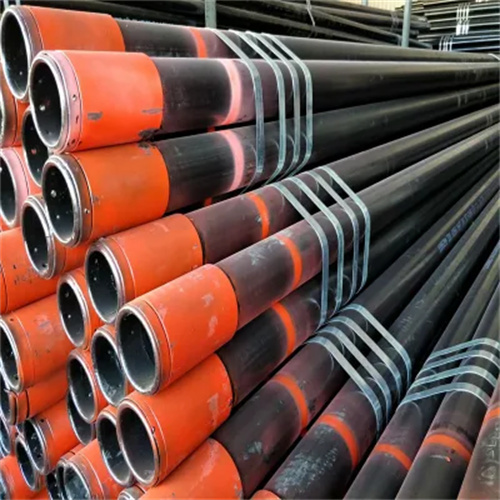
أحد الجوانب الأساسية لمواصفات الغلاف السلس هو تصنيفها. توجد فئتان عريضتان، وهما مواصفات معهد البترول الأمريكي ( API) والمواصفات الخاصة. توفر مواصفات واجهة برمجة التطبيقات (API)، المدفوعة بإجماع الصناعة، خطًا أساسيًا للجودة والأداء. وهي تشمل درجات مختلفة مثل api 5ct التي تتعامل مباشرة مع الغلاف السلس لصناعة النفط والغاز. ومن ناحية أخرى، يتم تطوير المواصفات الخاصة بواسطة الشركات المصنعة الفردية لتلبية الاحتياجات التشغيلية الفريدة التي قد لا تغطيها مواصفات API.
علاوة على ذلك، نجد أن مواصفات الغلاف السلس تختلف بناءً على المادة والدرجة والتطبيق. على سبيل المثال، يمكن أن تكون المواد المستخدمة هي الفولاذ الكربوني، أو سبائك الصلب، أو الفولاذ المقاوم للصدأ، ولكل منها قوة مختلفة، ومقاومة للتآكل، ومتانة. يشير هذا التصنيف إلى قوة إنتاج الغلاف، ويمكن أن يتراوح التطبيق من الحفر إلى نقل السوائل.
عندما يتعلق الأمر بالتطبيقات، تعد صناعة النفط والغاز مثالًا رئيسيًا حيث تلعب هذه المواصفات دورًا حاسمًا. مع الظروف الصعبة لآبار النفط، يجب أن تتحمل الأغلفة غير الملحومة الضغط العالي والبيئات المسببة للتآكل ودرجات الحرارة القصوى. هنا، تضمن المواصفات متانة وموثوقية الأغلفة، مما يساهم بشكل كبير في عمليات آمنة وفعالة.
أنابيب التغليف، أنابيب التغليف جيدًا، غلاف الأنابيب العليا، الغلاف مقابل الأنابيب الحاملة، غلاف أنابيب التيار المتردد، غلاف الأنابيب الفولاذية، حجم أنبوب التغليف، سعر غلاف الأنابيب البلاستيكية ، غلاف الأنابيب ، موردي أنابيب الغلاف في الصين ، أنبوب تغطية الغلاف ، أنبوب حفر الغلاف ، أنبوب الناقل ، حجم أنبوب الغلاف ، شفة البطانة ، جلبة الأكمام ، البطانة ، ذراع البطانة ، محمل البطانة ، مخفض البطانة ، أداة البطانة ، البطانة بولي كلوريد الفينيل، معنى البطانة هناك صناعة أخرى تستفيد من مواصفات الغلاف السلس وهي صناعة البناء. تعتمد السلامة الهيكلية للمباني بشكل كبير على جودة المواد المستخدمة، بما في ذلك أغلفة الفولاذ. هنا، ترشد المواصفات اختيار النوع الصحيح من الغلاف، الذي يمكنه تحمل الأحمال ومقاومة التأثيرات البيئية.
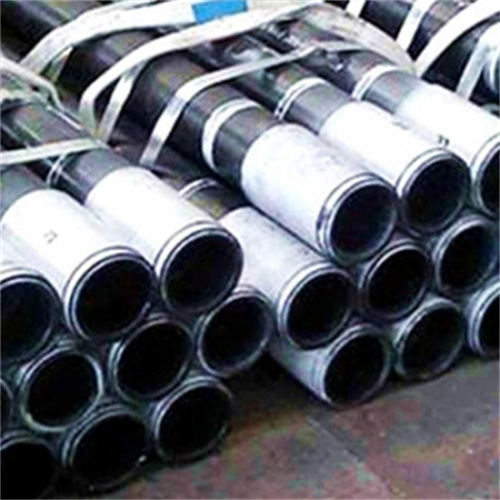
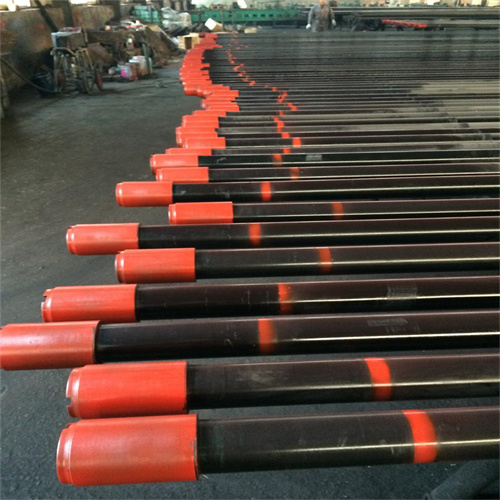
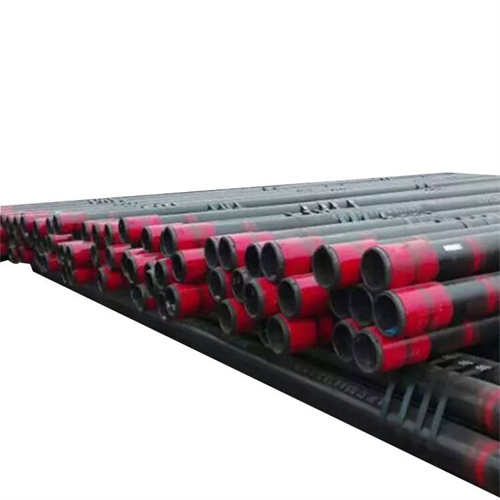
api 5ct l80 Casing أفضل تاجر جملة في الصين
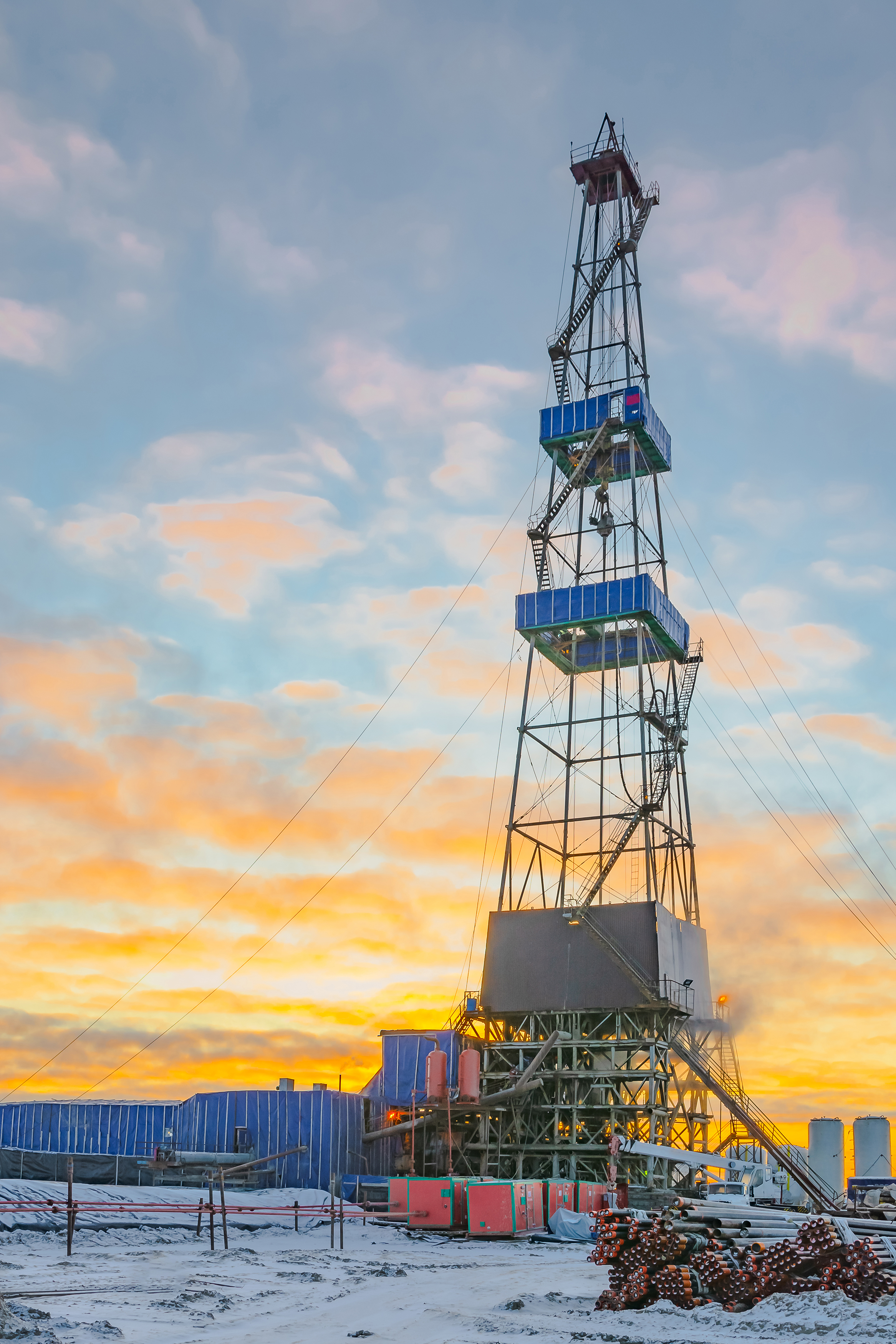
**دور مواصفات الغلاف غير الملحوم في تقدم الصناعة**: يؤكد هذا الموضوع على أهمية مواصفات الغلاف غير الملحوم في تقدم العمليات الصناعية. وسيناقش كيف تطورت هذه المواصفات بمرور الوقت لتلبية المتطلبات المتغيرة وكيف من المتوقع أن تشكل مستقبل الصناعة
بالنظر إلى المستقبل، من المتوقع أن تتطور مواصفات الغلاف السلس بشكل أكبر، مدفوعة بالسعي المستمر لتحقيق الكفاءة والاستدامة. ومن المرجح أن تشهد الصناعة ابتكارات مثل المواد الأخف وزنا والأكثر متانة وعمليات التصنيع المحسنة التي تقلل من التأثير البيئي. بالإضافة إلى ذلك، يمكن أن يؤدي تكامل التقنيات الذكية، مثل أجهزة الاستشعار المدمجة داخل الأغلفة، إلى إحداث ثورة في مراقبة وصيانة المعدات الصناعية، مما يؤدي إلى نماذج تشغيلية أكثر ذكاءً وتنبؤًا.
يمتد دور مواصفات الأغلفة السلسة إلى ما هو أبعد من مجرد الامتثال للمعايير التقنية والسلامة. المعايير. إنها حجر الزاوية في التطوير الاستراتيجي للصناعات، مما يمكّن الشركات من الاستفادة من التقنيات والمواد الجديدة لتظل قادرة على المنافسة والاستجابة لتغيرات السوق. مع استمرار الصناعات في مواجهة تحديات مثل ندرة الموارد، والمخاوف البيئية، والحاجة إلى ممارسات مستدامة، أصبحت أهمية مواصفات الغلاف المتقدمة والدقيقة أكثر وضوحًا.
في الختام، لا تتعلق مواصفات الغلاف السلس فقط بالالتزام بالمعايير الحالية ولكنها تتعلق بتوقع الاحتياجات المستقبلية للصناعات. إنها تلخص التفاعل الديناميكي بين الابتكار والسلامة والأداء، وتشكل مسار التقدم الصناعي. وبينما نتطلع إلى المستقبل، فإن تطور هذه المواصفات سيلعب بلا شك دورًا حاسمًا في تمكين الصناعات من مواجهة تحديات الجيل القادم.
In the automotive industry, seamless casings are integral to the manufacturing of components like cylinder barrels in engines and hydraulic cylinders. Specifications ensure these casings can endure the high-stress conditions within an operating vehicle.
Lastly, seamless casing specifications are relevant in the water industry, particularly in water well drilling. The casings must be robust enough to prevent the collapse of the borehole walls and to isolate the water-bearing zones from contaminants.
In conclusion, seamless casing specifications constitute a complex, yet crucial, facet of many industries. They provide an essential framework that ensures the quality, performance, and safety of operations. By understanding these specifications, we gain insight into the intricacies of various industrial processes, underscoring their pivotal role in our modern world.
**The Role of Seamless Casing Specifications in Industry Advancements**: This topic emphasizes on the importance of seamless casing specifications in advancing industrial processes. It would discuss how these specifications have evolved over time to meet the changing demands and how they are expected to shape the future of the industry
Seamless casing, a pivotal component in the machinery and Construction sectors, plays a crucial role in the advancement of industrial processes. The specifications of seamless casing are not just technical requirements but are strategic frameworks that enhance operational efficiency and safety. As industries evolve, the demand for more robust, efficient, and adaptable Materials rises, making the role of seamless casing specifications increasingly significant.
Historically, seamless casing was developed to address the limitations posed by traditional welded casings, which included risks of failure at the welds under high pressures and temperatures. The advent of seamless technology in the early 20th century marked a significant leap, offering casings with uniform strength and greater integrity. This innovation was driven by the burgeoning Oil and Gas industry, which required highly reliable piping systems to handle the extraction and transportation of fluids under extreme conditions.
The specifications for seamless casing have been refined over the years, influenced by both technological advancements and regulatory standards. These specifications detail the dimensions, material composition, mechanical properties, and manufacturing processes, ensuring that each casing can withstand the specific conditions of its intended use. For instance, in the oil and gas sector, casings must be designed to resist corrosion from harsh chemicals, bear the immense pressures of subterranean environments, and maintain their integrity over prolonged periods.
The continuous improvement of seamless casing specifications has been instrumental in pushing the boundaries of what is possible in industrial applications. For example, modern high-strength, low-alloy (HSLA) Steels have been developed to provide even greater strength and ductility, which are critical for the demanding environments of deep-water and extreme cold applications. Furthermore, advancements in Non-destructive testing techniques have improved the reliability of casings by ensuring that they are free from defects before being deployed.
Looking forward, the specifications of seamless casing are expected to evolve further, driven by the ongoing quest for efficiency and sustainability. The industry is likely to see innovations such as lighter, more durable materials and enhanced manufacturing processes that reduce environmental impact. Additionally, the integration of smart technologies, such as sensors embedded within casings, could revolutionize the monitoring and Maintenance of industrial equipment, leading to smarter, more predictive operational models.
The role of seamless casing specifications extends beyond mere compliance with technical and safety standards. They are a cornerstone in the strategic development of industries, enabling Companies to leverage new technologies and materials to stay competitive and responsive to market changes. As industries contiNue to face challenges such as resource scarcity, environmental concerns, and the need for sustainable practices, the importance of advanced and precise casing specifications becomes even more pronounced.
In conclusion, seamless casing specifications are not just about adhering to current standards but are about anticipating the future needs of industries. They encapsulate a dynamic interplay between innovation, safety, and performance, shaping the trajectory of industrial advancements. As we look to the future, the evolution of these specifications will undoubtedly play a critical role in enabling industries to meet the challenges of the next generation.