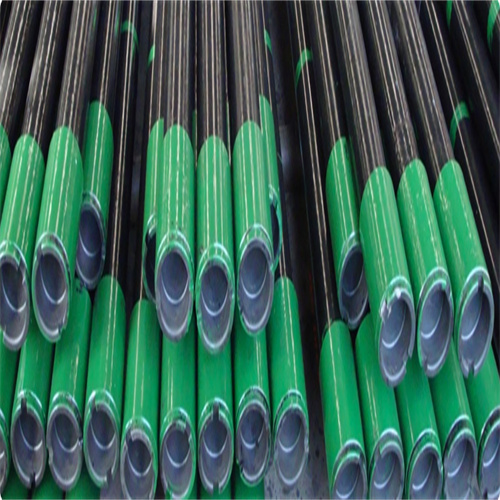
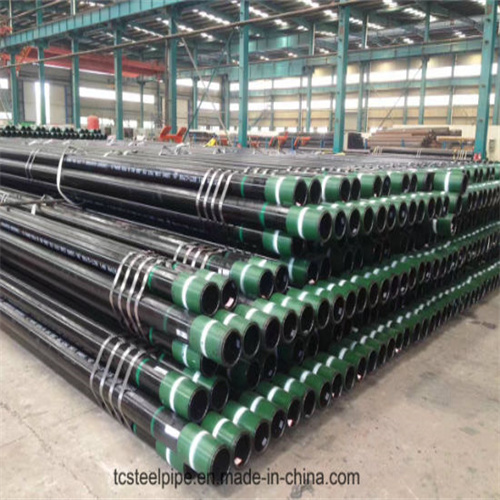
**Exploring the Varieties and Applications of seamless Casing Specifications**: This topic delves into the different types of seamless casing specifications and their respective applications in various industries. It will provide readers an understanding of how these specifications contribute to the efficiency and reliability of operations
Seamless casing specifications, a cornerstone in numerous industries, have been evolving with the increasing demands of efficiency and reliability. They represent a vast array of standards and guidelines used in the production, application, and testing of seamless casings, each designed to meet specific operational requirements. The exploration of these specifications is not just an academic pursuit, but a lens through which we can understand the nuances of many industrial operations.
One fundamental aspect of seamless casing specifications is their categorization. Two broad categories exist, namely American Petroleum Institute ( API) specifications and proprietary specifications. API specifications, driven by industry consensus, provide a baseline for quality and performance. They encompass various grades such as api 5ct that deal directly with seamless casing for the Oil and Gas industry. On the other hand, proprietary specifications are developed by individual Manufacturers to meet unique operational needs that may not be covered by API specifications.

Further, we find that seamless casing specifications vary based on Material, grade, and application. For instance, the material used could be Carbon Steel, alloy steel, or Stainless Steel, each having different strengths, resistance to corrosion, and durability. The grade refers to the yield strength of the casing, and the application could range from drilling to transportation of fluids.
When it comes to applications, the oil and gas industry is a prime example where these specifications play a critical role. With the challenging conditions of Oil Wells, seamless casings must withstand high pressure, corrosive environments, and extreme temperatures. Here, specifications ensure the casings’ durability and reliability, contributing significantly to safe and efficient operations.
Casing Pipe,casing well pipe, casing supreme pipe, casing vs carrier pipe, casing for ac pipe, casing Steel Pipe, casing pipe size, casing pvc pipe Price, casing pipe, casing pipe Suppliers in china, casing capping pipe, casing drill pipe,carrier pipe,casing pipe size,bushing flange,bushing Sleeve,bushing,bushing arm,bushing bearing,bushing reducer,bushing tool,bushing pvc,bushing meaningAnother industry that benefits from seamless casing specifications is the Construction industry. The structural integrity of buildings relies heavily on the quality of materials used, including steel casings. Here, specifications guide the selection of the right type of casing, which can bear the load and resist environmental impacts.
api 5ct l80 CASING Best China wholesaler
In the automotive industry, seamless casings are integral to the manufacturing of components like cylinder barrels in engines and hydraulic cylinders. Specifications ensure these casings can endure the high-stress conditions within an operating vehicle.
Lastly, seamless casing specifications are relevant in the water industry, particularly in water well drilling. The casings must be robust enough to prevent the collapse of the borehole walls and to isolate the water-bearing zones from contaminants.
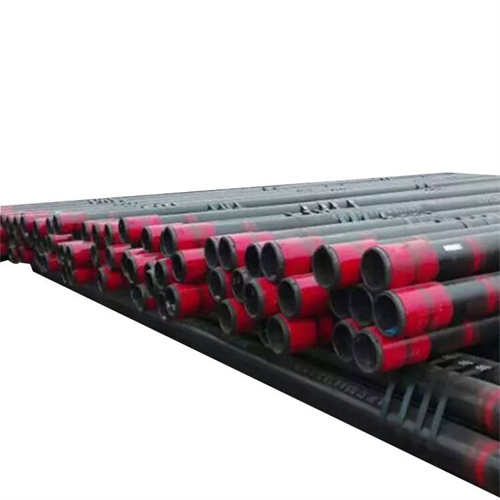
In conclusion, seamless casing specifications constitute a complex, yet crucial, facet of many industries. They provide an essential framework that ensures the quality, performance, and safety of operations. By understanding these specifications, we gain insight into the intricacies of various industrial processes, underscoring their pivotal role in our modern world.
**The Role of Seamless Casing Specifications in Industry Advancements**: This topic emphasizes on the importance of seamless casing specifications in advancing industrial processes. It would discuss how these specifications have evolved over time to meet the changing demands and how they are expected to shape the future of the industry
Seamless casing, a pivotal component in the machinery and construction sectors, plays a crucial role in the advancement of industrial processes. The specifications of seamless casing are not just technical requirements but are strategic frameworks that enhance operational efficiency and safety. As industries evolve, the demand for more robust, efficient, and adaptable materials rises, making the role of seamless casing specifications increasingly significant.
Historically, seamless casing was developed to address the limitations posed by traditional welded casings, which included risks of failure at the welds under high pressures and temperatures. The advent of seamless technology in the early 20th century marked a significant leap, offering casings with uniform strength and greater integrity. This innovation was driven by the burgeoning oil and gas industry, which required highly reliable piping systems to handle the extraction and transportation of fluids under extreme conditions.
The specifications for seamless casing have been refined over the years, influenced by both technological advancements and regulatory standards. These specifications detail the dimensions, material composition, mechanical properties, and manufacturing processes, ensuring that each casing can withstand the specific conditions of its intended use. For instance, in the oil and gas sector, casings must be designed to resist corrosion from harsh chemicals, bear the immense pressures of subterranean environments, and maintain their integrity over prolonged periods.
The continuous improvement of seamless casing specifications has been instrumental in pushing the boundaries of what is possible in industrial applications. For example, modern high-strength, low-alloy (HSLA) steels have been developed to provide even greater strength and ductility, which are critical for the demanding environments of deep-water and extreme cold applications. Furthermore, advancements in Non-destructive testing techniques have improved the reliability of casings by ensuring that they are free from defects before being deployed.
Looking forward, the specifications of seamless casing are expected to evolve further, driven by the ongoing quest for efficiency and sustainability. The industry is likely to see innovations such as lighter, more durable materials and enhanced manufacturing processes that reduce environmental impact. Additionally, the integration of smart technologies, such as sensors embedded within casings, could revolutionize the monitoring and Maintenance of industrial equipment, leading to smarter, more predictive operational models.
The role of seamless casing specifications extends beyond mere compliance with technical and safety standards. They are a cornerstone in the strategic development of industries, enabling Companies to leverage new technologies and materials to stay competitive and responsive to market changes. As industries contiNue to face challenges such as resource scarcity, environmental concerns, and the need for sustainable practices, the importance of advanced and precise casing specifications becomes even more pronounced.
In conclusion, seamless casing specifications are not just about adhering to current standards but are about anticipating the future needs of industries. They encapsulate a dynamic interplay between innovation, safety, and performance, shaping the trajectory of industrial advancements. As we look to the future, the evolution of these specifications will undoubtedly play a critical role in enabling industries to meet the challenges of the next generation.