فهم أهمية معايير API ومخططات الغلاف في صناعة النفط والغاز
صناعة النفط والغاز هي قطاع معقد ومعقد يعتمد بشكل كبير على الدقة والدقة والتوحيد القياسي. من بين العديد من الأدوات والمبادئ التوجيهية التي تضمن التشغيل السلس لهذه الصناعة، تحتل معايير API ومخططات الغلاف مكانًا مهمًا. هذه الأدوات ليست ضرورية للحفاظ على جودة وسلامة العمليات فحسب، بل تلعب أيضًا دورًا حاسمًا في تعزيز الكفاءة والإنتاجية.
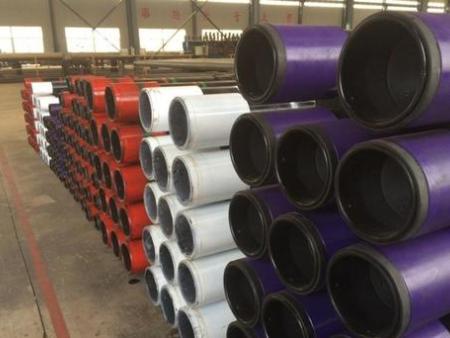
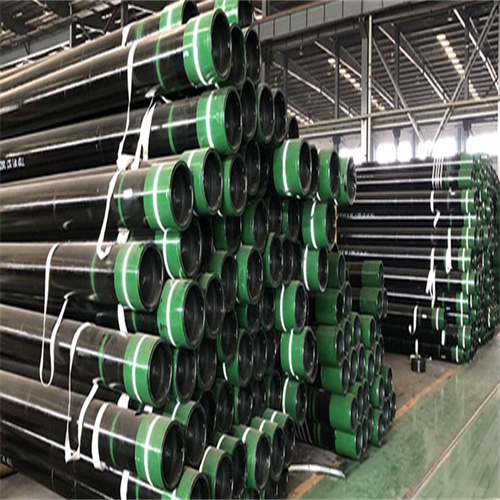
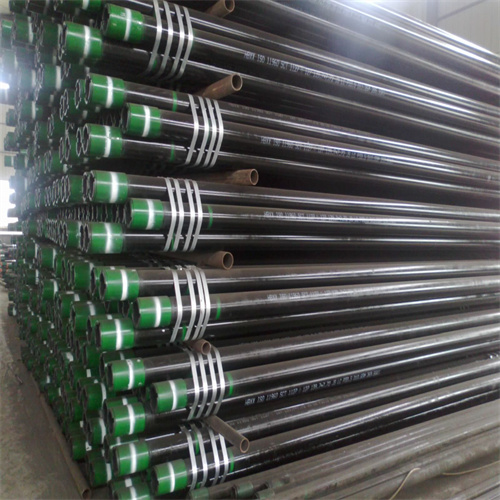
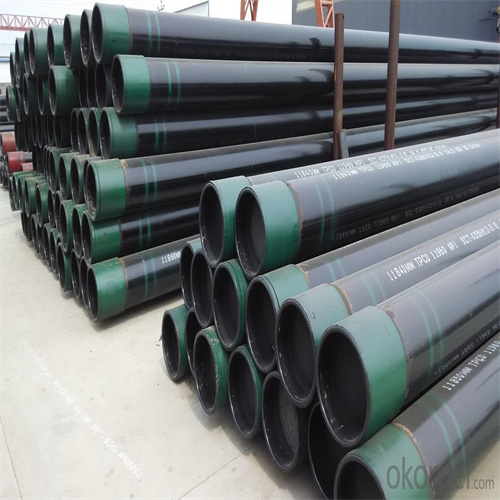 أنابيب الصلب غير الملحومة للنفط والغاز الطبيعي API 5L Psl1 Psl2 X70 X65 X60 X52 L485 L450 L415 L360
هذا هو المكان الذي تلعب فيه مخططات الغلاف دورها. توفر هذه المخططات تمثيلاً مرئيًا لمواصفات أنابيب التغليف المختلفة وفقًا لمعايير API. وهي تشمل تفاصيل مثل قطر الأنبوب، وسمك الجدار، والوزن لكل وحدة طول، ودرجة المادة. من خلال الرجوع إلى هذه المخططات، يمكن للمهندسين بسهولة اختيار أنبوب التغليف المناسب لبئر معين، بناءً على عمقه وضغطه ودرجة حرارته ونوع السوائل التي سيواجهها.
أنابيب التغليف، أنابيب التغليف بشكل جيد، أنابيب التغليف العليا، الغلاف مقابل الأنابيب الناقلة، غلاف لأنبوب التيار المتردد، غلاف الأنابيب الفولاذية، حجم أنبوب التغليف، سعر غلاف الأنابيب البلاستيكية، غلاف الأنابيب، موردي أنابيب الغلاف في الصين، غلاف أنبوب السد، غلاف أنبوب الحفر، أنبوب الناقل، حجم أنبوب الغلاف، شفة البطانة، جلبة الأكمام، البطانة، ذراع البطانة، محمل البطانة، مخفض البطانة، أداة البطانة، البطانة البلاستيكية، معنى البطانة تساعد مخططات التغليف أيضًا في تخطيط وتنفيذ عمليات الحفر. على سبيل المثال، يمكن استخدامها لحساب كمية الأسمنت اللازمة لتأمين أنبوب التغليف في مكانه، أو لتحديد أقصى عمق حفر يمكن أن يتحمله أنبوب تغليف معين. من خلال توفير مثل هذه المعلومات الهامة، تساهم مخططات التغليف في كفاءة وسلامة عمليات الحفر.
في الختام، تعد معايير API ومخططات التغليف أدوات لا غنى عنها في صناعة النفط والغاز. إنهم يضمنون إجراء العمليات بطريقة آمنة وفعالة ومسؤولة بيئيًا. كما أنها تسهل التجارة والتعاون الدوليين من خلال توفير لغة مشتركة وفهم مشترك. ومن خلال الالتزام بهذه المعايير واستخدام هذه المخططات، يمكن للشركات تعزيز إنتاجيتها وتقليل المخاطر التشغيلية والمساهمة في التنمية المستدامة للصناعة. ولذلك، فإن فهم أهمية معايير API ومخططات التغليف أمر بالغ الأهمية لأي شخص يعمل في قطاع النفط والغاز.
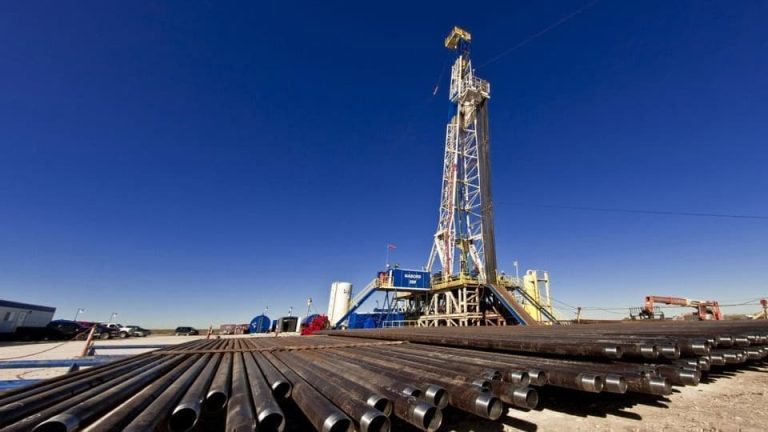
One of the key areas where API standards are applied is in the design and use of Casing Pipes. These Pipes are used to line the inside of a drilled well and prevent it from collapsing. They also serve to isolate different layers of rock and fluids within the well. The API has established specific standards for casing pipes, including their size, Weight, strength, and Material composition. These standards ensure that the pipes can withstand the extreme conditions they are exposed to, such as high pressures, corrosive fluids, and abrasive rocks.
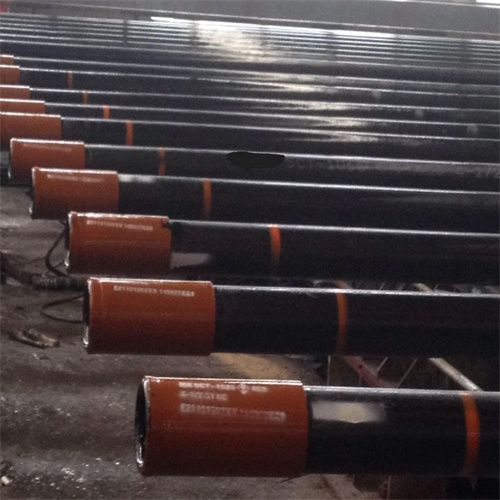
This is where casing charts come into play. These charts provide a visual representation of the specifications of different casing pipes as per API standards. They include details such as the pipe’s Diameter, Wall thickness, weight per unit Length, and material grade. By referring to these charts, engineers can easily select the appropriate casing pipe for a particular well, based on its depth, pressure, temperature, and the type of fluids it will encounter.
casing pipe,casing well pipe, casing supreme pipe, casing vs carrier pipe, casing for ac pipe, casing Steel Pipe, casing pipe size, casing pvc pipe Price, casing pipe, casing pipe Suppliers in china, casing capping pipe, casing drill pipe,carrier pipe,casing pipe size,bushing flange,bushing Sleeve,bushing,bushing arm,bushing bearing,bushing reducer,bushing tool,bushing pvc,bushing meaningCasing charts also help in the planning and execution of drilling operations. For instance, they can be used to calculate the amount of cement needed to secure the casing pipe in place, or to determine the maximum drilling depth that a particular casing pipe can withstand. By providing such critical information, casing charts contribute to the efficiency and safety of drilling operations.
In conclusion, API standards and casing charts are indispensable tools in the Oil and Gas industry. They ensure that operations are conducted in a safe, efficient, and environmentally responsible manner. They also facilitate international trade and cooperation by providing a common language and understanding. By adhering to these standards and using these charts, Companies can enhance their productivity, reduce their operational risks, and contribute to the sustainable development of the industry. Therefore, understanding the significance of API standards and casing charts is crucial for anyone involved in the oil and gas sector.