Understanding the Importance of API Standards and Casing Charts in the Oil and Gas Industry
The oil and gas industry is a complex and intricate sector that relies heavily on precision, accuracy, and standardization. Among the many tools and guidelines that ensure the Smooth operation of this industry, API standards and casing charts hold a significant place. These tools are not only essential for maintaining the quality and safety of operations but also play a crucial role in enhancing efficiency and productivity.
 API, an acronym for the American Petroleum Institute, is a leading authority in the oil and gas industry that sets the standards for various aspects of the sector. These standards are designed to ensure that all operations, from drilling to refining, are conducted in a safe, efficient, and environmentally responsible manner. API standards cover a wide range of areas, including equipment specifications, operational procedures, safety guidelines, and environmental practices. They are recognized and adopted globally, providing a common language and understanding that facilitates international trade and cooperation in the oil and gas industry.
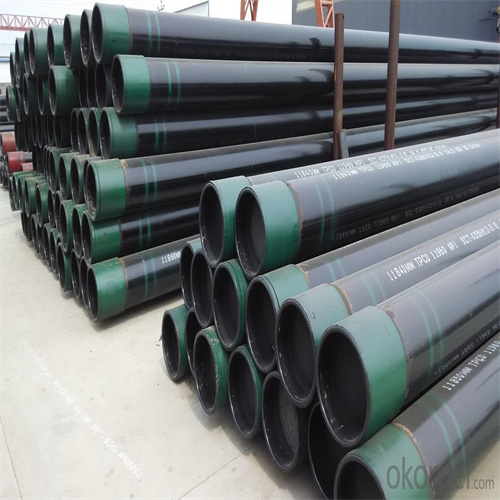
Natural Oil and Gas Seamless Steel Pipe Tube API 5L Psl1 Psl2 X70 X65 X60 X52 L485 L450 L415 L360
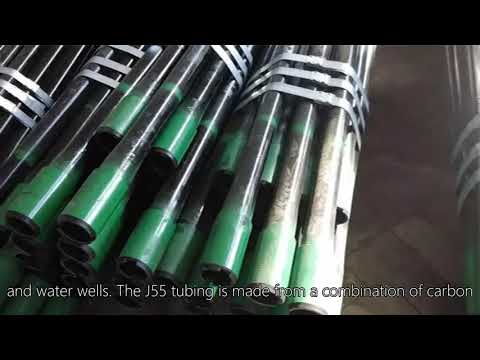
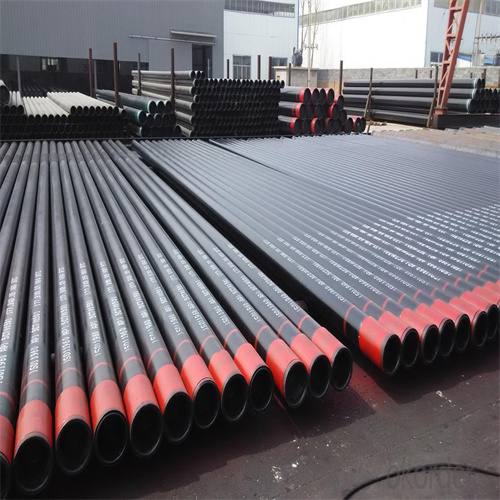
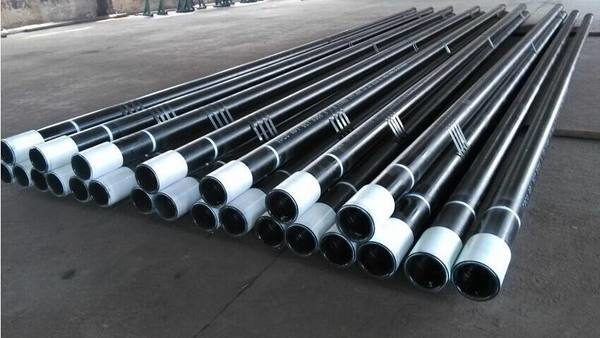
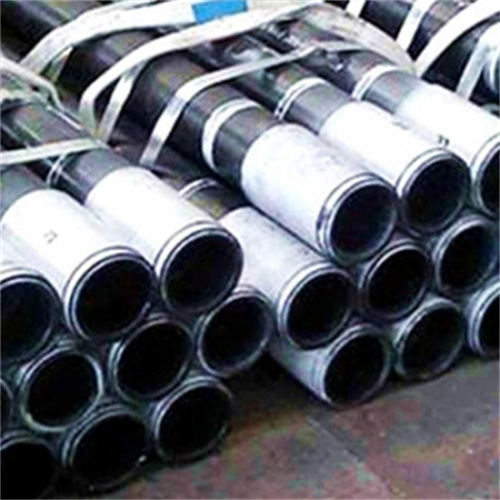
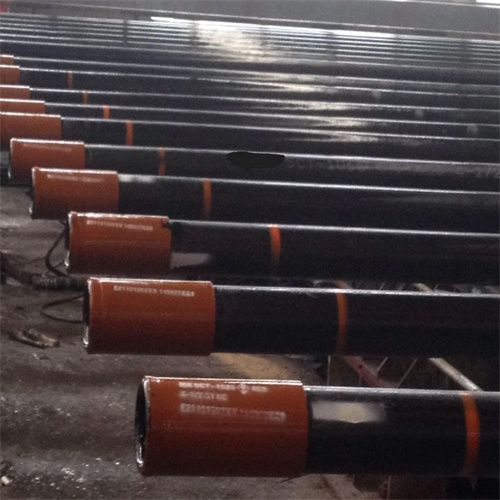
One of the key areas where API standards are applied is in the design and use of Casing Pipes. These Pipes are used to line the inside of a drilled well and prevent it from collapsing. They also serve to isolate different layers of rock and fluids within the well. The API has established specific standards for casing pipes, including their size, Weight, strength, and Material composition. These standards ensure that the pipes can withstand the extreme conditions they are exposed to, such as high pressures, corrosive fluids, and abrasive rocks.
This is where casing charts come into play. These charts provide a visual representation of the specifications of different casing pipes as per API standards. They include details such as the pipe’s Diameter, Wall thickness, weight per unit Length, and material grade. By referring to these charts, engineers can easily select the appropriate casing pipe for a particular well, based on its depth, pressure, temperature, and the type of fluids it will encounter.
casing pipe,casing well pipe, casing supreme pipe, casing vs carrier pipe, casing for ac pipe, casing Steel Pipe, casing pipe size, casing pvc pipe Price, casing pipe, casing pipe Suppliers in china, casing capping pipe, casing drill pipe,carrier pipe,casing pipe size,bushing flange,bushing Sleeve,bushing,bushing arm,bushing bearing,bushing reducer,bushing tool,bushing pvc,bushing meaningCasing charts also help in the planning and execution of drilling operations. For instance, they can be used to calculate the amount of cement needed to secure the casing pipe in place, or to determine the maximum drilling depth that a particular casing pipe can withstand. By providing such critical information, casing charts contribute to the efficiency and safety of drilling operations.
In conclusion, API standards and casing charts are indispensable tools in the oil and gas industry. They ensure that operations are conducted in a safe, efficient, and environmentally responsible manner. They also facilitate international trade and cooperation by providing a common language and understanding. By adhering to these standards and using these charts, Companies can enhance their productivity, reduce their operational risks, and contribute to the sustainable development of the industry. Therefore, understanding the significance of API standards and casing charts is crucial for anyone involved in the oil and gas sector.