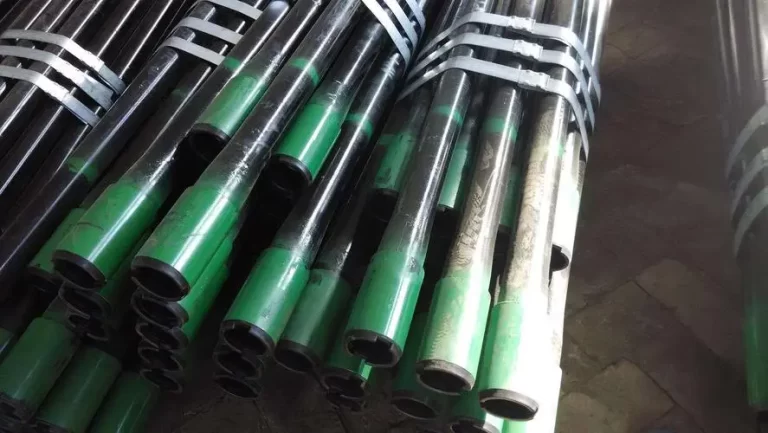
Oil Casing in Offshore drilling operations
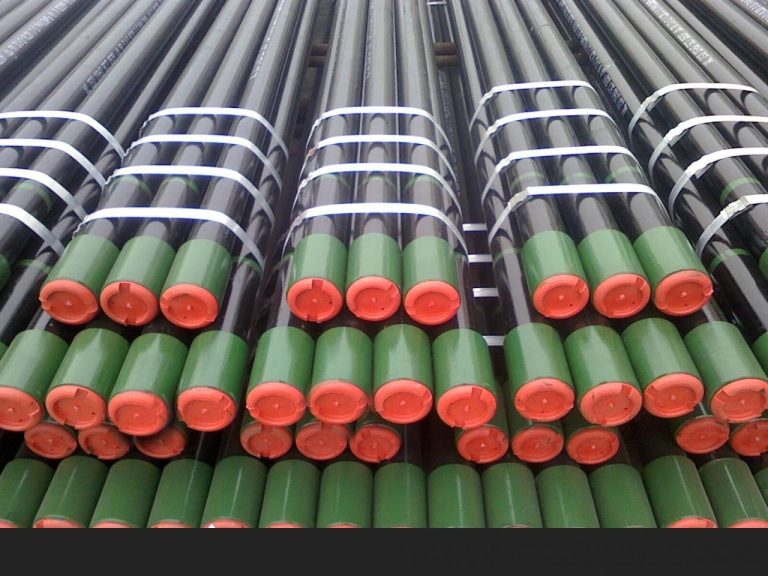
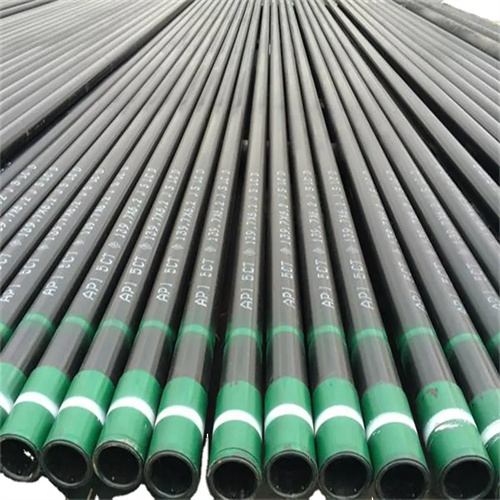
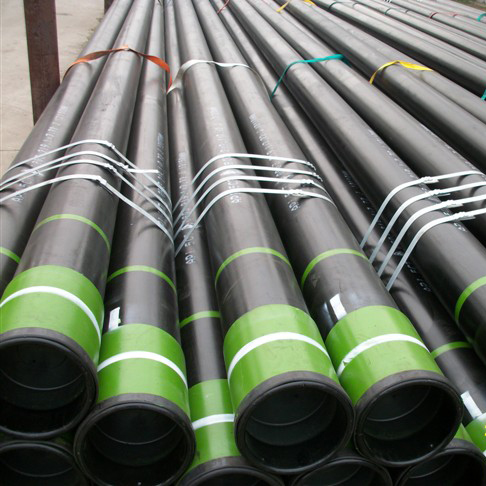
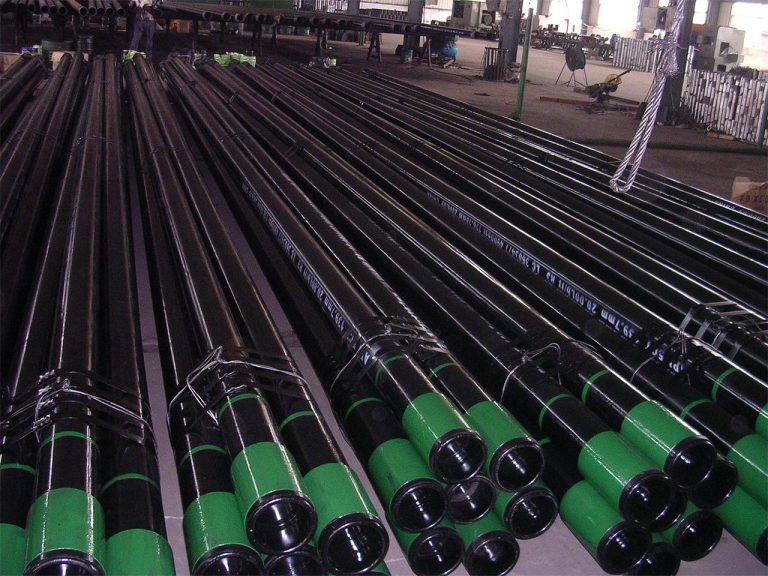
Oil casing plays a critical role in the success and safety of offshore drilling operations. These operations, often conducted in challenging marine environments, require specialized equipment and Materials to ensure efficient extraction of Oil and Gas reserves deep beneath the ocean floor.
The primary function of oil casing is to provide structural support and maintain well integrity during drilling and production phases. It serves as a barrier that prevents the collapse of the wellbore and controls the flow of fluids. In offshore drilling, where depths can reach several kilometers below the seabed, the casing must withstand immense pressure and varying geological conditions.
Offshore drilling platforms deploy different types of casing depending on the specific requirements of the well. conductor casing, the first Casing string to be installed, supports the Weight of subsequent casing strings and serves as a foundation for the wellhead. It is typically larger in Diameter and is cemented into place to provide stability.
Intermediate casing is installed to isolate zones of unstable formations and prevent fluid influxes. This casing string is crucial in maintaining well control and ensuring drilling operations proceed safely. It also protects freshwater aquifers from contamination by isolating potentially hazardous zones.
Production casing, the final casing string, is designed to withstand production pressures and support the production Tubing. It is essential in ensuring efficient flow of hydrocarbons from the reservoir to the surface. Production casing is often cemented in place to provide zonal isolation and prevent fluid migration between different geological formations.
In addition to providing structural support and well integrity, oil casing also plays a vital role in well completion and production optimization. Casing design must consider factors such as Corrosion resistance, thermal expansion, and compatibility with completion equipment. Advances in materials science have led to the development of high-strength alloys and composite materials that enhance casing performance and longevity in harsh offshore environments.
Furthermore, oil casing is integral to well abandonment and decommissioning processes. Properly designed and installed casing strings facilitate safe and environmentally responsible well plugging and abandonment operations. Effective well abandonment ensures that offshore drilling sites are properly Sealed to prevent leaks and protect marine ecosystems.
The utilization fields of oil casing extend beyond drilling operations to include well intervention and Maintenance activities. Casing integrity assessments through techniques such as cement evaluation and casing inspection logging are essential for identifying potential issues and ensuring contiNued well performance. Timely intervention and remediation of casing defects can prevent costly downtime and minimize environmental risks.
In conclusion, oil casing is indispensable in offshore drilling operations for maintaining well integrity, supporting well production, and ensuring environmental protection. Advances in technology and materials continue to drive innovation in casing design and performance, enabling safer and more efficient extraction of offshore oil and gas reserves. As the global demand for energy grows, the role of oil casing in offshore drilling will remain pivotal in meeting the world’s energy needs while upholding stringent safety and environmental standards.
Applications of Oil Casing in Shale Oil and Gas Extraction
Oil casing plays a critical role in the extraction of shale oil and gas, serving multiple essential functions that ensure the efficiency and safety of operations. In the complex process of shale oil and gas extraction, the utilization of oil casing is indispensable across various applications.
At its core, oil casing provides structural integrity to the wellbore, safeguarding it against the pressures and stresses encountered during drilling and production. It creates a stable pathway for drilling fluids and tools, facilitating the Smooth operation of drilling equipment deep into the earth’s crust. This structural support is particularly crucial in shale formations, where the geological characteristics demand robust casing to withstand the intense conditions encountered.
Moreover, oil casing acts as a conduit for production fluids, such as oil, gas, and water, as they are extracted from the shale reservoirs. It ensures that these fluids are safely transported to the surface without Leakage or contamination, maintaining the integrity of the extraction process. The casing’s design and material composition are tailored to withstand corrosive environments and high-pressure conditions typical of shale formations, thus ensuring long-term reliability.
In hydraulic fracturing, another key aspect of shale oil and gas extraction, oil casing serves as a barrier between the wellbore and the surrounding geological formations. This barrier prevents the unintended migration of fluids and gases, safeguarding groundwater resources and mitigating environmental risks. By isolating different geological layers, casing also helps optimize the hydraulic fracturing process, enhancing its effectiveness in stimulating shale reservoirs.
octg tubingFurthermore, the design and installation of oil casing are meticulously planned to meet regulatory standards and operational requirements specific to shale oil and gas extraction. Engineers and geoscientists collaborate to determine the optimal casing design based on the geological characteristics of the shale formation, ensuring maximum efficiency and safety throughout the well’s lifespan.
In addition to its primary functions, oil casing supports various downhole equipment essential for well operations. It accommodates devices such as Packers, sensors, and production Tubing, enabling monitoring and control of reservoir conditions and production rates. This integration of casing with downhole equipment enhances operational flexibility and efficiency, allowing operators to adapt to changing reservoir dynamics and production demands.
Moreover, advancements in oil casing technology continue to drive innovation in shale oil and gas extraction. Improved materials, such as corrosion-resistant alloys and high-strength Steels, enhance casing performance and longevity in challenging environments. Innovations in casing design, including expandable and composite casings, offer greater flexibility and reliability in shale reservoirs with complex geological characteristics.
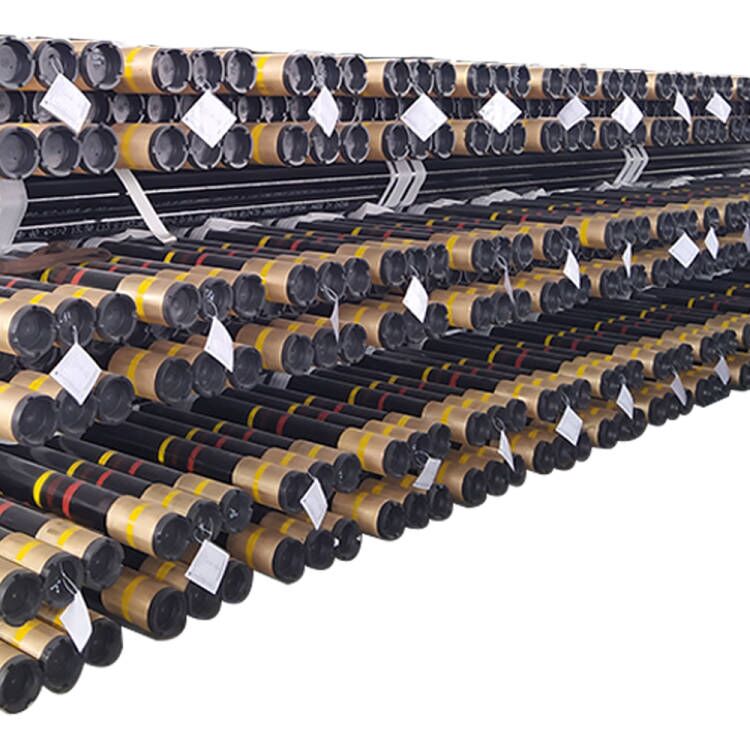
In conclusion, oil casing is indispensable in the extraction of shale oil and gas, supporting critical functions that ensure the safety, efficiency, and environmental responsibility of operations. From providing structural integrity and fluid containment to supporting downhole equipment and facilitating hydraulic fracturing, casing plays a multifaceted role in shale formations. As technology advances, the evolution of oil casing continues to optimize the extraction process, reaffirming its fundamental importance in the future of energy production.