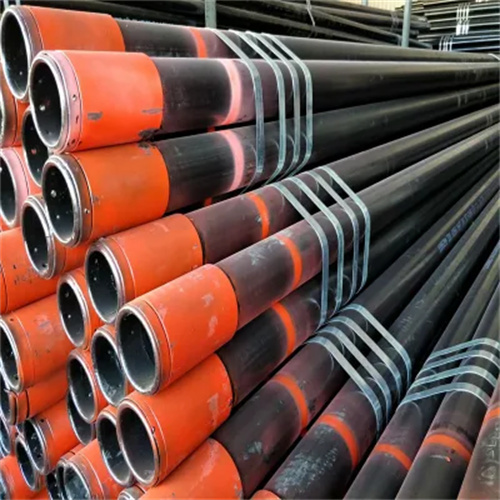
التباين القياسي للامتثال بين أنابيب API وASTM

في المقابل، تم تصميم معايير ASTM لتكون أكثر تنوعًا وقابلة للتطبيق عبر نطاق أوسع من الصناعات. وهي تركز على تحديد المتطلبات العامة لمواد الأنابيب والأبعاد وخصائص الأداء التي يمكن تكييفها مع التطبيقات المختلفة. تُعرف معايير ASTM بنهجها الشامل في الاختبار والتقييم، حيث تغطي جوانب مثل قوة الشد وقوة الخضوع والاستطالة. العملية المرتبطة بمعايير API و ASTM. غالبًا ما تكون شهادة API إلزامية للأنابيب المستخدمة في صناعة النفط والغاز، لأنها تشير إلى الامتثال للمتطلبات الفنية المحددة وتدابير مراقبة الجودة. في المقابل، فإن شهادة ASTM معترف بها على نطاق واسع عبر مختلف القطاعات، مما يشير إلى أن الأنابيب تلبي معايير الصناعة المعمول بها فيما يتعلق بالأداء والسلامة.
عند الاختيار بين أنابيب API وASTM، من الضروري مراعاة التطبيق المقصود وظروف التشغيل. تعتبر أنابيب API مناسبة تمامًا للبيئات التي تتطلب قوة عالية ومقاومة للتآكل وأداء موثوقًا تحت الضغوط الشديدة. بالمقارنة، توفر أنابيب ASTM خيارًا أكثر تنوعًا للتطبيقات التي قد تكون هناك حاجة إلى نطاق أوسع من الخصائص والمواصفات.
في الختام، يعكس التباين القياسي للامتثال بين أنابيب API وASTM الاحتياجات والأولويات المحددة لمختلف الصناعات. في حين أن معايير API تلبي المتطلبات الصعبة لقطاع النفط والغاز، فإن معايير ASTM توفر إطارًا أكثر مرونة يمكن تكييفه مع التطبيقات المتنوعة. ومن خلال فهم الفروق بين هذه المعايير، يمكن لأصحاب المصلحة اتخاذ قرارات مستنيرة عند اختيار الأنابيب لمشاريعهم، مما يضمن الأداء الأمثل والسلامة في البيئات المختلفة.
In contrast, ASTM standards are designed to be more versatile and applicable across a wider range of industries. They focus on establishing general requirements for Pipe Materials, dimensions, and performance characteristics that can be adapted to various applications. ASTM standards are known for their comprehensive approach to testing and evaluation, covering aspects such as tensile strength, yield strength, and elongation.
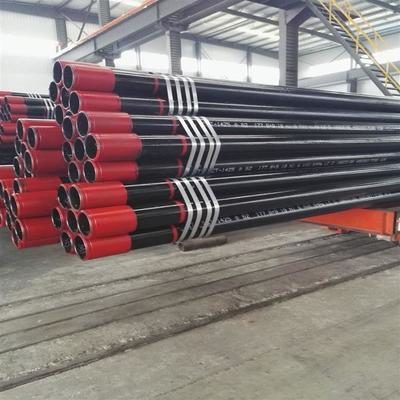
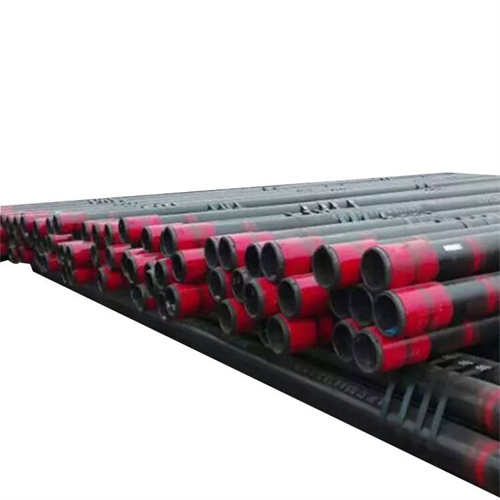
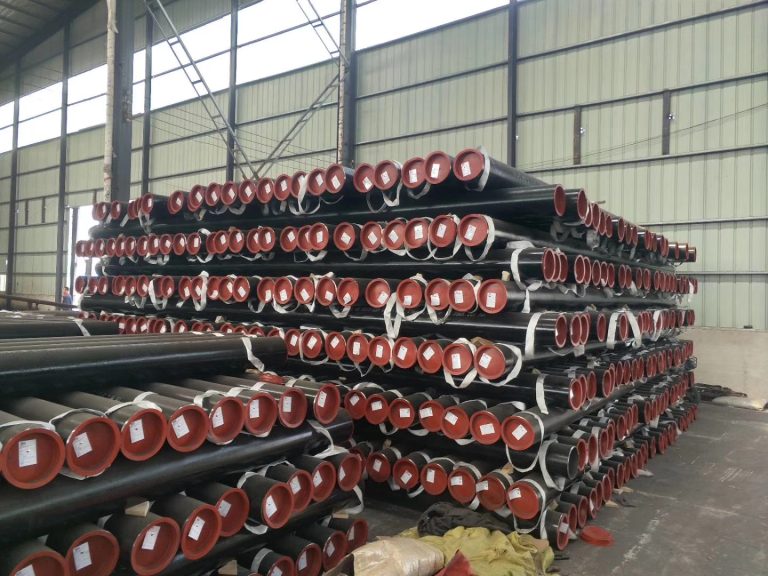
api 5ct C95 Oil well Tubing and Casing Anti-H2s T95 Well Casing ProtectionAnother important aspect to consider is the certification process associated with API and ASTM standards. API certification is often mandatory for Pipes used in the Oil and Gas industry, as it signifies compliance with specific technical requirements and quality control measures. In contrast, ASTM certification is more widely recognized across different sectors, indicating that the pipes meet established industry standards for performance and safety.
When selecting between API and ASTM pipes, it is crucial to consider the intended application and operating conditions. API Pipes are well-suited for environments that require high strength, resistance to corrosion, and reliable performance under extreme pressures. In comparison, ASTM pipes offer a more versatile option for applications where a broader range of properties and specifications may be needed.
In conclusion, the compliance standard variance between API and ASTM pipes reflects the specific needs and priorities of different industries. While API standards cater to the demanding requirements of the oil and gas sector, ASTM standards provide a more flexible framework that can be adapted to diverse applications. By understanding the distinctions between these standards, stakeholders can make informed decisions when selecting pipes for their projects, ensuring optimal performance and safety in various environments.