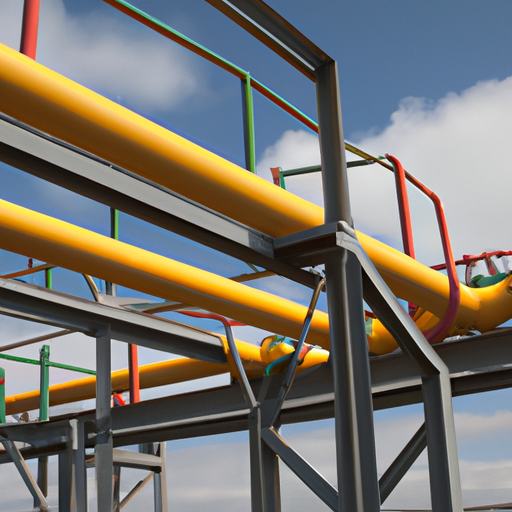
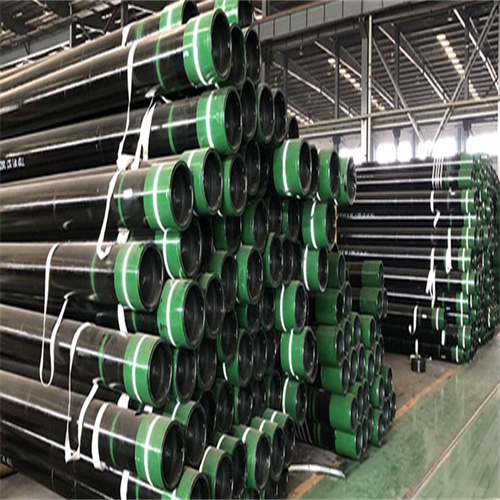
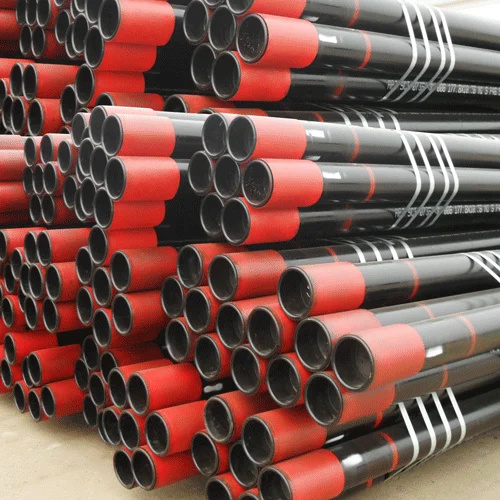
**Exploring the Fundamentals of Oil Casing**
Oil casing, a critical component in the oil drilling and extraction process, serves as a conduit for the Oil and Gas that is Pumped out from underground reservoirs. Understanding its fundamentals is crucial for tHose involved in the energy sector.
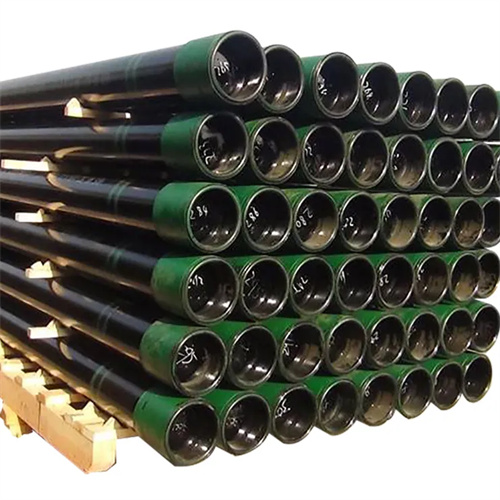
The purpose of oil casing is twofold. Firstly, it provides a robust framework that allows the drilling process to penetrate thousands of feet into the earth. The casing ensures that the hole drilled, known as the wellbore, remains open and structurally sound, preventing it from collapsing under the immense geological pressure. Secondly, it serves as a protective barrier, preventing the contamination of groundwater sources by the oil or gas being extracted, and also protecting the wellbore from intrusive water, sand, and other substances that could hinder the extraction process.
Made primarily from Steel, oil casings are characterized by their strength and durability. They can withstand the harsh conditions deep within the earth, resisting corrosion and enduring the high temperatures and pressures often encountered. With regards to the process of manufacturing oil casings, it typically involves heat treatment, forging, and Threading, which ensure the structural integrity of the casing.
Furthermore, it is worth noting that oil casings come in different sizes and Weights to cater to the diverse needs of drilling operations. The Diameter of the casing, measured in inches, and its weight, measured per foot, are the two primary dimensions. The casing size chosen largely depends on the size of the wellbore, the depth of the well, and the pressure of the reservoir being tapped.
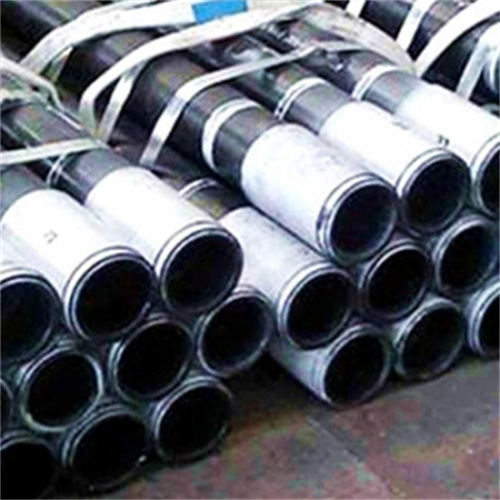
Mobile Phone CaseYet, the selection of oil casing is not merely a matter of size and weight. Several other factors come into play, such as the type of drilling mud used, the expected geologic conditions, and the estimated production rate of the well. Understanding these factors form the basis of casing design, a critical process that determines the safety and efficiency of a drilling operation.
Moreover, the casing must be correctly installed, or “run,” into the wellbore. This process, known as casing running, requires precise and careful handling to ensure the casing reaches the desired depth without damage. Once the casing is in place, cement is pumped into the space between the casing and the wellbore wall, a process known as Cementing. The cement serves to anchor the casing in place and provide a Seal, preventing fluid migration between different geological formations.
In conclusion, oil casing plays an instrumental role in the success of an oil drilling operation. It is more than just a Pipe; it is a complex engineering component that requires careful selection, handling, and installation. Understanding its fundamentals is not only vital for those in the oil and gas industry but also for stakeholders keen on understanding the complexities of the energy sector
Casing Pipe,casing well pipe, casing supreme pipe, casing vs carrier pipe, casing for ac pipe, casing Steel Pipe, casing pipe size, casing pvc pipe Price, casing pipe, casing pipe Suppliers in china, casing capping pipe, casing drill pipe,carrier pipe,casing pipe size,bushing flange,bushing Sleeve,bushing,bushing arm,bushing bearing,bushing reducer,bushing tool,bushing pvc,bushing meaning