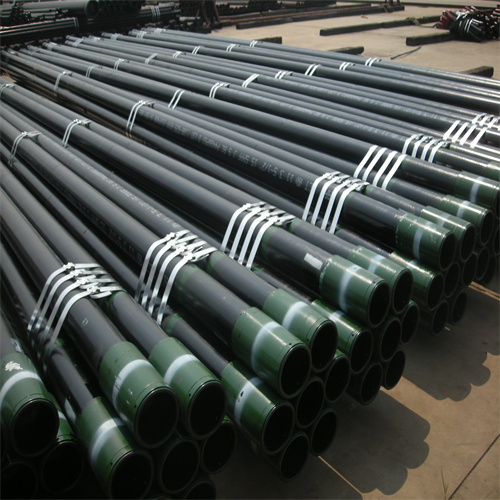
নিরাপত্তার জন্য তেলের আবরণ নির্বাচন করার সময় বিবেচনা করার মূল বিষয়গুলি
পরিবেশগত কারণগুলিও নির্বাচন প্রক্রিয়ায় খুব বেশি ওজন করে। ভূমিকম্পের ক্রিয়াকলাপ বা ভূতাত্ত্বিক অস্থিরতার প্রবণ অঞ্চলগুলির জন্য কেসিং ডিজাইনের প্রয়োজন হয় যা স্থল আন্দোলন সহ্য করতে পারে এবং কেসিং বিকৃতি বা ফেটে যাওয়া প্রতিরোধ করতে পারে। অতিরিক্তভাবে, পরিবেশগত প্রবিধানগুলি পরিবেশগত প্রভাবকে কমিয়ে আনার জন্য এবং অপারেশনাল নিরাপত্তা নিশ্চিত করার জন্য কেসিং উপকরণ, আবরণ এবং ইনস্টলেশন অনুশীলন সংক্রান্ত কঠোর মানগুলির সাথে সম্মতি বাধ্যতামূলক করে৷
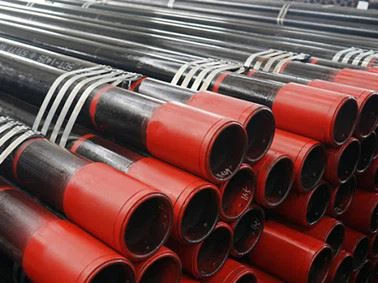
তেল আবরণ নির্বাচন এড়ানোর জন্য সাধারণ ভুল
https://youtube.com/watch?v=IynKNbSIcXc
TPU কেস
এছাড়া, কেসিং ডিজাইন এবং ইনস্টলেশন অনুশীলনের অপর্যাপ্ত বিবেচনা ঝুঁকি বাড়াতে পারে। খারাপভাবে ডিজাইন করা কেসিং প্রোগ্রাম, যেমন অপর্যাপ্ত কেন্দ্রীকরণ বা অনুপযুক্ত সিমেন্টিং কৌশল, এর ফলে কেসিং বিকৃতি বা সিমেন্ট চ্যানেলিং হতে পারে। এই সমস্যাগুলি সুস্থতার স্থিতিশীলতা এবং সিমেন্টের অখণ্ডতাকে ক্ষতিগ্রস্ত করতে পারে, ব্লোআউট বা কেসিং ব্যর্থতার সম্ভাবনা বাড়িয়ে তুলতে পারে। অপর্যাপ্ত গঠন মূল্যায়ন ভুল কেসিং স্পেসিফিকেশনের দিকে নিয়ে যেতে পারে, যেমন অপর্যাপ্ত বিস্ফোরণ বা পতন প্রতিরোধের। গঠনের চাপ এবং ভূতাত্ত্বিক অবস্থার জন্য অ্যাকাউন্টে ব্যর্থতার ফলে কেসিং ব্যর্থতা বা ড্রিলিং বা উৎপাদন পর্যায়ে ব্যয়বহুল প্রতিকারমূলক পদক্ষেপের প্রয়োজন হতে পারে। কেসিং ডিজাইন কোড বা পরিবেশগত প্রবিধানের সাথে অ-সম্মতি আইনি প্রতিক্রিয়া এবং অপারেশনাল শাটডাউন হতে পারে। শিল্পের মানগুলি মেনে চলা নিশ্চিত করে যে কেসিং সিস্টেমগুলি শক্তিশালী এবং সুরক্ষা প্রোটোকলগুলির সাথে সঙ্গতিপূর্ণ, ড্রিলিং এবং উত্পাদন ক্রিয়াকলাপের সাথে সম্পর্কিত ঝুঁকিগুলি হ্রাস করে৷ অনুপযুক্ত তরল নির্বাচন ক্ষয়, আবরণ ক্ষয়, বা রাসায়নিক বিক্রিয়া কাঠামোগত অখণ্ডতার সাথে আপস করতে পারে। দীর্ঘমেয়াদী ঝুঁকি কমাতে এবং কেসিং সিস্টেমের দীর্ঘায়ু নিশ্চিত করার জন্য পুঙ্খানুপুঙ্খ তরল বিশ্লেষণ এবং সামঞ্জস্যতা পরীক্ষা অপরিহার্য। কেসিং ম্যাটেরিয়াল বা টেস্টিং পদ্ধতির খরচ কমানোর ফলে কেসিং ব্যর্থতা বা অখণ্ডতা সংক্রান্ত সমস্যার কারণে গুণমানের সাথে আপস করা হতে পারে এবং অপারেশনাল ডাউনটাইম বৃদ্ধি পেতে পারে। নিয়মিত পরিদর্শন প্রোগ্রাম এবং প্রতিরোধমূলক রক্ষণাবেক্ষণ সম্ভাব্য সমস্যাগুলিকে তাড়াতাড়ি শনাক্ত করার জন্য অপরিহার্য, সময়মত হস্তক্ষেপের অনুমতি দেয় এবং কূপের জীবনকালের উপর অবিরত ওয়েলবোর অখণ্ডতা নিশ্চিত করে। দক্ষতা উপাদানের বৈশিষ্ট্যগুলি উপেক্ষা করা, নকশা বিবেচনাকে উপেক্ষা করা বা নিয়ন্ত্রক মানগুলিকে উপেক্ষা করার মতো সাধারণ সমস্যাগুলি এড়ানোর মাধ্যমে, অপারেটররা ভাল অখণ্ডতা বাড়াতে পারে এবং ড্রিলিং এবং উত্পাদন ক্রিয়াকলাপের সাথে সম্পর্কিত ঝুঁকিগুলি হ্রাস করতে পারে। শিল্পের সর্বোত্তম অনুশীলনের কঠোর আনুগত্য, ব্যাপক ঝুঁকি মূল্যায়ন, এবং কেসিং প্রযুক্তিতে ক্রমাগত উন্নতি তেল এবং গ্যাস তুরপুন কার্যক্রমে সর্বোত্তম কর্মক্ষমতা এবং নিরাপত্তা অর্জনের জন্য অপরিহার্য। এবং কঠোর গুণমান এবং নিরাপত্তা মান মেনে চলা শুধুমাত্র বিচক্ষণ নয় বরং টেকসই এবং নিরাপদ অপারেশনের জন্য অপরিহার্য। এই জটিল দিকগুলিকে মোকাবেলা করার মাধ্যমে, অপারেটররা তেল ও গ্যাস অনুসন্ধান এবং উৎপাদনের জটিল এবং চাহিদাপূর্ণ ক্ষেত্রে কার্যকরভাবে চ্যালেঞ্জগুলিকে নেভিগেট করতে পারে, কর্মীদের, পরিবেশকে রক্ষা করতে এবং অপারেশনাল ধারাবাহিকতা বজায় রাখতে পারে৷
কিভাবে নিশ্চিত করা যায় যে তেলের আবরণ পছন্দ নিরাপত্তা মানগুলির সাথে সারিবদ্ধ হয়
সঠিক তেল আবরণ নির্বাচন করা তেল এবং গ্যাস শিল্পে একটি গুরুত্বপূর্ণ সিদ্ধান্ত, যা অপারেশনাল দক্ষতা এবং নিরাপত্তা মান উভয়কেই প্রভাবিত করে। কঠোর নিরাপত্তার প্রয়োজনীয়তা মেনে চলা নিশ্চিত করার জন্য নির্বাচন প্রক্রিয়ার মধ্যে বিভিন্ন বিষয়ের সতর্কতা বিবেচনা করা হয়। গভীরতা, গঠনের চাপ এবং ভূতাত্ত্বিক বৈশিষ্ট্যের মতো কারণগুলি উপযুক্ত কেসিং ডিজাইন নির্ধারণে প্রধান ভূমিকা পালন করে। প্রকৌশলী এবং ভূতাত্ত্বিকরা এই পরামিতিগুলি বিশ্লেষণ করার জন্য ঘনিষ্ঠভাবে সহযোগিতা করে, কেসিং ব্যর্থতা বা পরিবেশগত ক্ষতির সাথে সম্পর্কিত ঝুঁকিগুলি হ্রাস করার লক্ষ্যে। সময়ের সাথে সাথে ড্রিলিং তরল এবং প্রাকৃতিক ভূতাত্ত্বিক অবস্থার ক্ষয়কারী প্রভাব সহ্য করার জন্য তেল আবরণ সামগ্রীগুলিকে অবশ্যই কঠোর বৈশিষ্ট্যগুলি পূরণ করতে হবে। ইস্পাত সংকর ধাতুগুলি সাধারণত তাদের দৃঢ়তা এবং ক্ষয় প্রতিরোধের কারণে ব্যবহৃত হয়, চাহিদাপূর্ণ পরিবেশে দীর্ঘায়ু এবং নির্ভরযোগ্যতা নিশ্চিত করে। এর মধ্যে রয়েছে সঠিক সিমেন্টিং পদ্ধতি যাতে কেসিংকে নিরাপদে রাখা যায় এবং যে কোনো ফুটো প্রতিরোধ করা যায় যা ভালোভাবে অখণ্ডতার সাথে আপস করতে পারে। অতিরিক্তভাবে, নিয়মিত পরিদর্শন এবং রক্ষণাবেক্ষণের রুটিনগুলি পরিধান বা অবনতির যেকোন লক্ষণগুলিকে প্রাথমিকভাবে সনাক্ত করার জন্য অপরিহার্য, সম্ভাব্য বিপদগুলি বাড়তে পারে তার আগে। রিয়েল-টাইম সেন্সর এবং রিমোট মনিটরিং সিস্টেমের মতো উদ্ভাবনগুলি কেসিং অবস্থার উপর অবিচ্ছিন্ন প্রতিক্রিয়া প্রদান করে, সক্রিয় রক্ষণাবেক্ষণ সক্ষম করে এবং সনাক্ত করা কোনও অসঙ্গতিতে দ্রুত প্রতিক্রিয়া দেয়। এই অগ্রগতিগুলি কেবল নিরাপত্তাই বাড়ায় না বরং ডাউনটাইম এবং অপারেশনাল ব্যাঘাত কমিয়ে অপারেশনাল দক্ষতাও অপ্টিমাইজ করে৷ এর মধ্যে রয়েছে পরিবেশ-বান্ধব উপকরণ বাস্তবায়ন এবং কেসিংয়ের জীবনচক্র জুড়ে পরিবেশগত পদচিহ্ন কমানোর জন্য পুনর্ব্যবহার করার কৌশলগুলি। এই মানগুলির সাথে সম্মতি শুধুমাত্র একটি আইনি প্রয়োজনীয়তা নয় বরং তেল ও গ্যাস অনুসন্ধানের সাথে সম্পর্কিত সম্ভাব্য ঝুঁকি থেকে শ্রমিক, সম্প্রদায় এবং পরিবেশকে রক্ষা করার জন্য একটি নৈতিক বাধ্যবাধকতাও বটে৷ নিরাপত্তা প্রয়োজনীয়তা সঙ্গে সম্ভাব্যতা. প্রকৌশলী এবং স্টেকহোল্ডারদের অবশ্যই কঠোর ঝুঁকি মূল্যায়ন এবং সম্ভাব্য বিপদের পূর্বাভাস এবং প্রশমিত করার জন্য দৃশ্যকল্প পরিকল্পনায় জড়িত থাকতে হবে। এই সক্রিয় পন্থা শুধুমাত্র নিরাপত্তাই বাড়ায় না বরং তেলের আবরণ ক্রিয়াকলাপের অখণ্ডতা এবং স্থায়িত্বের বিষয়ে স্টেকহোল্ডার এবং নিয়ন্ত্রক সংস্থাগুলির মধ্যে আস্থাও জাগিয়ে তোলে। নিয়ন্ত্রক কারণ। কঠোর মান মেনে চলার মাধ্যমে, প্রযুক্তিগত উদ্ভাবনকে কাজে লাগিয়ে এবং টেকসই চর্চাকে আলিঙ্গন করে, কোম্পানিগুলো তেল ও গ্যাস সেক্টরে কর্মক্ষমতার অগ্রগতির সাথে সাথে সর্বোচ্চ নিরাপত্তা মান বজায় রাখতে পারে। এই প্রতিশ্রুতি শুধুমাত্র সম্পদ রক্ষা করে না এবং পরিবেশ সংরক্ষণ করে না বরং শিল্প এবং বৃহত্তর সম্প্রদায়ের মধ্যে আস্থা ও বিশ্বাসযোগ্যতা বৃদ্ধি করে।
Furthermore, inadequate consideration of Casing design and installation practices can escalate risks. Poorly designed casing programs, such as insufficient centralization or improper Cementing techniques, may result in casing deformation or cement channeling. These issues can impair wellbore stability and cement integrity, increasing the likelihood of blowouts or casing failure.
Another critical misstep involves neglecting to assess formation characteristics thoroughly. Inadequate formation evaluation can lead to incorrect casing specifications, such as inadequate burst or collapse resistance. Failure to account for formation pressures and geological conditions may result in casing failures or the need for costly remedial actions during drilling or production phases.
Moreover, disregarding regulatory requirements and industry standards poses significant hazards. Non-compliance with casing design codes or environmental regulations can lead to legal repercussions and operational shutdowns. Adherence to industry standards ensures that casing systems are robust and compliant with safety protocols, mitigating risks associated with drilling and production operations.
Equally crucial is the oversight of wellbore fluid compatibility with casing Materials. Improper fluid selection can cause corrosion, casing embrittlement, or chemical reactions compromising structural integrity. Thorough fluid analysis and compatibility testing are essential to mitigate long-term risks and ensure the longevity of casing systems.
Additionally, inadequate budget allocation for casing quality and testing can undermine operational reliability. Cutting costs on casing materials or testing procedures may result in compromised quality and increased operational downtime due to casing failures or integrity issues.
Lastly, insufficient attention to casing inspection and Maintenance practices can lead to premature casing deterioration. Regular inspection programs and preventive maintenance are essential to identify potential issues early, allowing for timely intervention and ensuring contiNued wellbore integrity over the lifespan of the well.
In conclusion, the importance of meticulous Oil Casing selection cannot be overstated in ensuring operational safety and efficiency. By avoiding common pitfalls such as overlooking material specifications, neglecting design considerations, or disregarding regulatory standards, operators can enhance well integrity and mitigate risks associated with drilling and production operations. Rigorous adherence to industry best practices, comprehensive risk assessment, and continuous improvement in casing technologies are essential for achieving optimal performance and safety in Oil and Gas drilling activities.
For tHose involved in the oil and gas industry, investing in thorough casing selection processes and adhering to stringent quality and safety standards is not just prudent but imperative for sustainable and safe operations. By addressing these critical aspects, operators can navigate challenges effectively, safeguarding personnel, the environment, and operational continuity in the complex and demanding realm of oil and gas exploration and production.
How to Ensure Oil Casing Choice Aligns with Safety Standards
Choosing the right oil casing is a critical decision in the oil and gas industry, impacting both operational efficiency and safety standards. The selection process involves careful consideration of various factors to ensure compliance with rigorous safety requirements.
Firstly, it is essential to understand the environmental and operational conditions in which the casing will be deployed. Factors such as well depth, formation pressure, and geological characteristics play pivotal roles in determining the appropriate casing design. Engineers and geologists collaborate closely to analyze these parameters, aiming to mitigate risks associated with casing failure or environmental harm.
Moreover, compliance with industry standards is non-negotiable. Oil casing materials must meet stringent specifications to withstand the corrosive effects of drilling fluids and natural geological conditions over time. Steel alloys are commonly used due to their robustness and resistance to corrosion, ensuring longevity and reliability in demanding environments.
Beyond material selection, the design and installation process must adhere to prescribed safety protocols. This includes proper cementing procedures to secure the casing in place and prevent any Leakage that could compromise well integrity. Additionally, regular inspections and maintenance routines are imperative to detect any signs of wear or degradation early on, preempting potential hazards before they escalate.
Furthermore, technological advancements have revolutionized the monitoring and evaluation of casing integrity. innovations such as real-time sensors and remote monitoring systems provide continuous feedback on casing conditions, enabling proactive maintenance and swift responses to any anomalies detected. These advancements not only enhance safety but also optimize operational efficiency by minimizing downtime and operational disruptions.
In light of evolving environmental regulations and heightened public scrutiny, Companies are increasingly prioritizing sustainable practices in oil casing operations. This includes implementing eco-friendly materials and recycling strategies to minimize environmental footprint throughout the lifecycle of the casing.
Moreover, international standards bodies and regulatory agencies play a pivotal role in sh APIng safety norms and guidelines for oil casing operations. Compliance with these standards is not only a legal requirement but also a moral obligation to safeguard workers, communities, and the environment from potential risks associated with oil and gas exploration.
Ultimately, the decision-making process for oil casing selection must balance technical feasibility with safety imperatives. Engineers and stakeholders must engage in rigorous risk assessments and scenario planning to anticipate and mitigate potential hazards. This proactive approach not only enhances safety but also instills confidence among stakeholders and regulatory bodies regarding the integrity and sustainability of oil casing operations.
In conclusion, ensuring the safety and reliability of oil casing choices demands a comprehensive understanding of geological, operational, and regulatory factors. By adhering to stringent standards, leveraging technological innovations, and embracing sustainable practices, companies can uphold the highest safety standards while advancing operational excellence in the oil and gas sector. This commitment not only protects assets and preserves the environment but also fosters trust and credibility within the industry and the broader community.
![oil tube wholesaler,[oil tube] Chinese high-grade supplier,oil pipeline company, oil pipe welder](https://www.casingtube.com/wp-content/uploads/2023/10/maxresdefault-10-768x432.jpg)